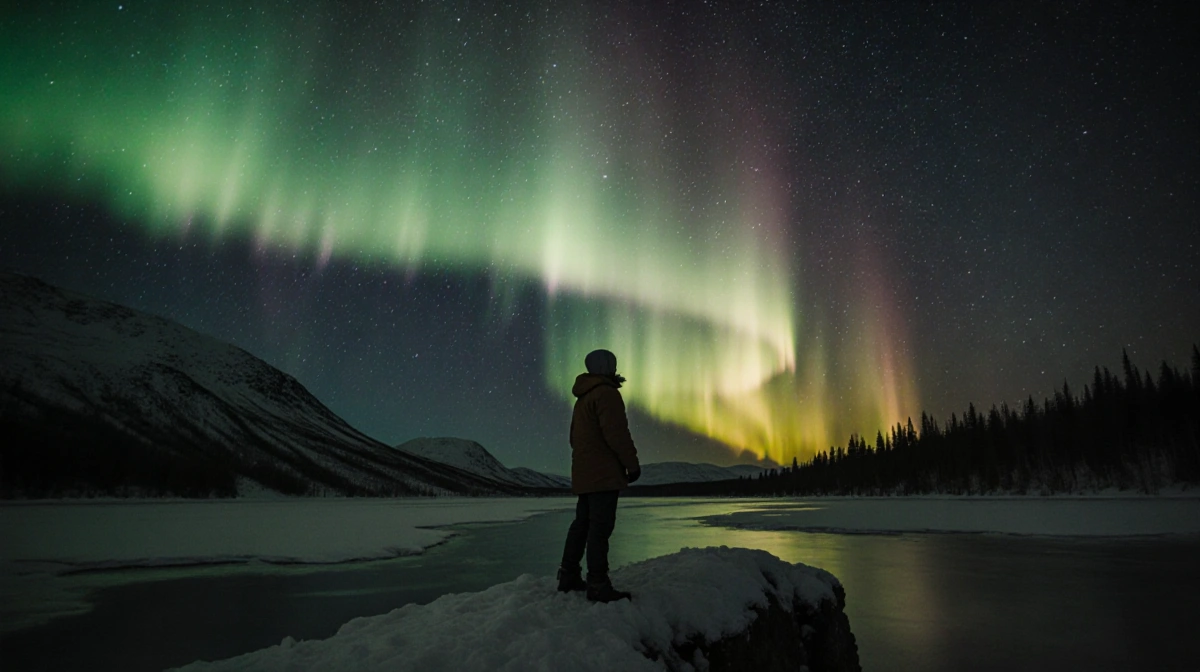
A G1-level geomagnetic storm is brewing, and it could push the aurora borealis far enough south for millions of Americans to witness the spectacle.
> At a Glance
> – G1 storm expected overnight Jan 8-9 due to a CIR and CME combo
> – 15 states from Washington to Pennsylvania may see the lights
> – Peak viewing: 10 p.m.-2 a.m. local time
> – Why it matters: A rare winter sky show without leaving your backyard
Sky-watchers across the northern U.S. have a fresh chance to catch the northern lights as a solar disturbance rattles Earth’s magnetic field.
When & Why the Show Is Happening
The Space Weather Prediction Center says a corotating interaction region (CIR)-a pile-up of fast and slow solar wind-will merge with a coronal mass ejection (CME) that left the Sun on Jan 6. Together they’re expected to spark a G1 geomagnetic storm late Thursday, Jan 8, into the pre-dawn hours of Friday, Jan 9.
Where to Look
Visibility will be greatest between 10 p.m. and 2 a.m. local time, but only under dark, clear skies.
States with a realistic shot tonight:
- Alaska (most reliable)
- Washington, Idaho, Montana
- North & South Dakota, Minnesota
- Wisconsin, Michigan
- Maine, New York, Vermont, New Hampshire
- Ohio, Pennsylvania
Rural areas with an unobstructed northern horizon offer the best odds.
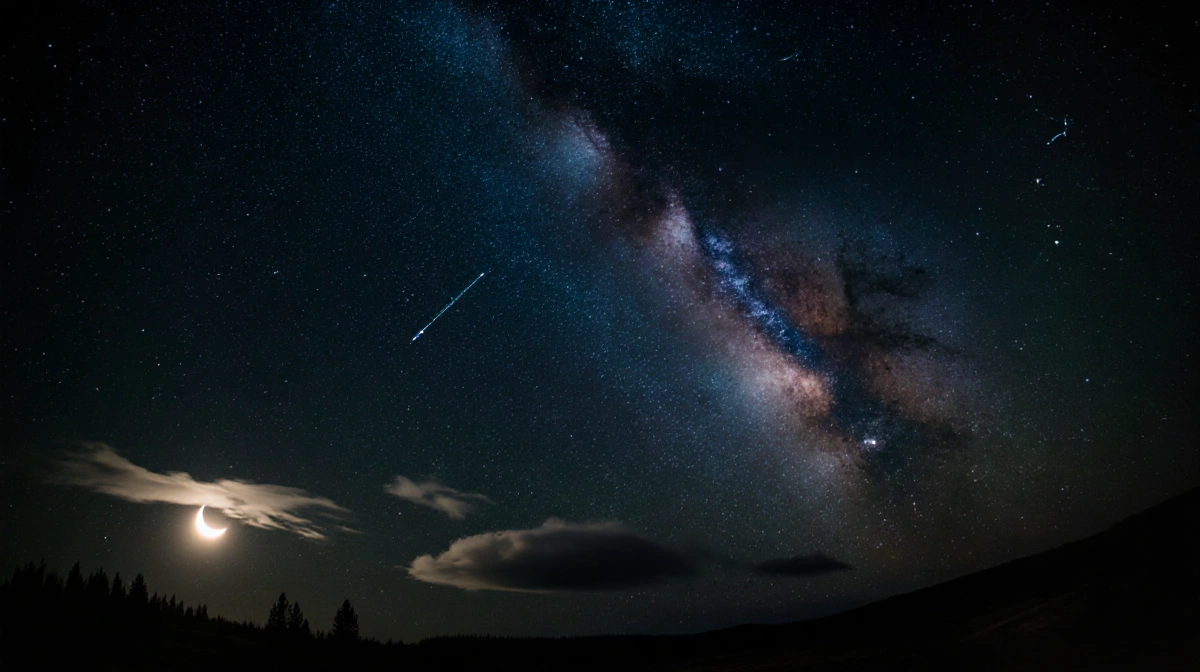
How to Watch & Photograph
- Get away from city lights and give your eyes 15-20 minutes to adjust.
- Dress for winter and be patient-auroras can surge without warning.
- Real-time alerts via NOAA or phone apps help you catch peak activity.
Smartphone users: enable Night Mode, steady your phone, and aim north. DSLR owners should grab a tripod, switch to manual, and experiment with 5-25-second exposures.
Key Takeaways
- A CIR + CME combo triggers tonight’s G1 storm.
- 15 northern-tier states could see color on the horizon.
- Dark skies + patience are the only tools you need.
If clouds stay away, this winter night might deliver a free cosmic light show-no telescope required.