At a Glance
- The NTSB concluded the Army Black Hawk helicopter crew did not see the correct aircraft.
- Multiple aircraft were in the area and expectation bias may have misled the crew.
- Crew lacked awareness of the approaching flight 5342 within the final 15 seconds.
- Why it matters: This highlights gaps in situational awareness and controller communication that could affect future airspace safety.
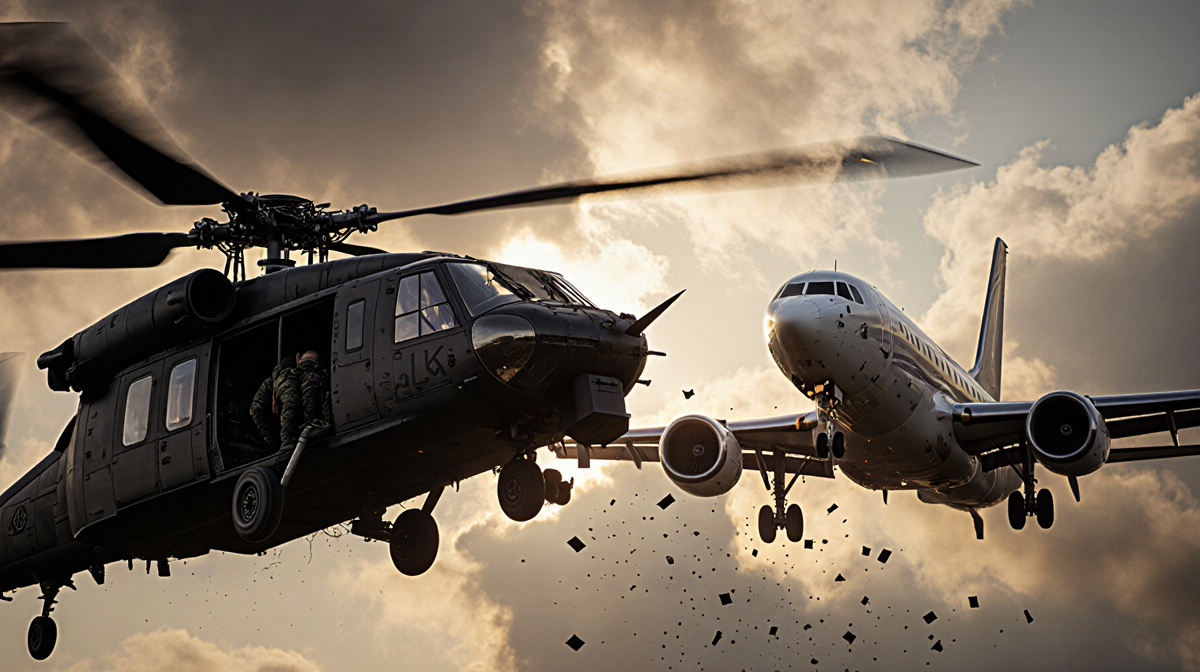
On Tuesday, January 27, the National Transportation Safety Board opened a hearing to examine the nearly a year anniversary of a mid-air collision outside Ronald Reagan Washington National Airport. Officials said the Army Black Hawk helicopter crew failed to identify the correct aircraft, a factor that may have contributed to the crash that killed three people. The hearing revealed confusion over traffic reports, perception limits from night-vision goggles, and possible expectation bias.
Background of the Crash
The collision occurred on January 27, 2024, when an Army Black Hawk helicopter and an American Airlines passenger plane intersected over the Potomac River. Three people were aboard the helicopter: Capt. Rebecca Lobach, Chief Warrant Officer 2 Andrew Eaves, and Staff Sgt. Ryan O’Hara.
The passenger plane, identified as Flight 5342, was on approach to runway 33. The helicopter was traveling along a route that brought it into the same traffic corridor.
NTSB Hearing Findings
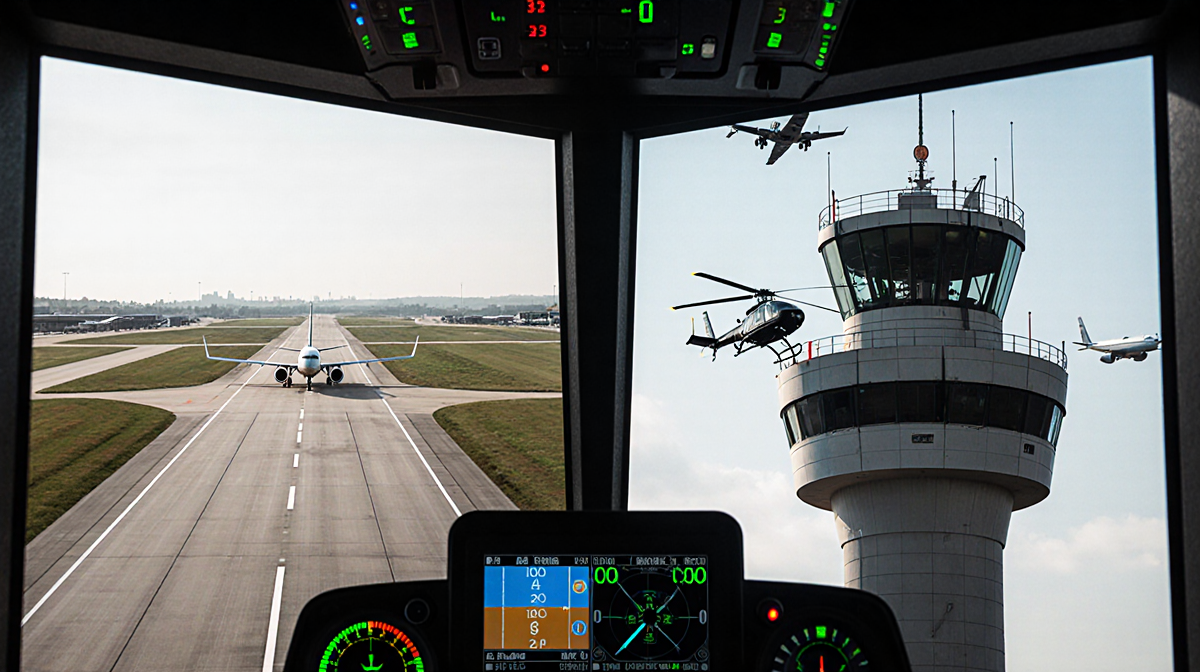
During the hearing, officials disclosed that an air controller had advised the helicopter crew of traffic “just south of the Wilson Bridge…at 1,200 feet to runway 33.” However, the crew reported that several other aircraft were visible in the same area.
A simulation later indicated that the crew, all wearing night-vision goggles, were “likely unable to identify” Flight 5342 because it was surrounded by similar looking targets.
Helicopter recordings showed the crew could not hear the air controller’s statement that the plane was circling to runway 33, due to a last-minute switch approved by the jet. This may have helped them assess which plane they were being notified about.
Factors Contributing to the Collision
- Expectation bias: Knowing that only 5-7% of northbound arrivals landed on runway 33, the instructor pilot “likely concluded” the plane was “approaching runway 1.”
- Perceptual limitations: Narrow field of vision from goggles, a window post that intermittently obscured their view, ambient city lights, and a busy workload.
- Communication gaps: The crew was unable to hear part of the message “pass behind” when told to pass behind the aircraft in question.
- Uncertain alert system: The helicopter had tablets capable of visual and aural traffic alerts, but it is unknown whether the tablets were on or configured to send alerts.
In the 15 seconds prior to the crash, officials said the crew “don’t believe they had sight of the correct aircraft.”
Implications for Aviation Safety
The hearing highlighted systemic issues, including workplace culture and staffing pressures on air traffic controllers at Reagan, as well as broader Federal Aviation Administration concerns. The findings suggest that situational awareness can be compromised by both human factors and technology limitations.
The NTSB will continue the hearing into the afternoon and will determine a probable cause based on these findings.
Next Steps
The NTSB will issue a final report detailing the probable cause and recommending corrective actions. The report will likely address controller workload, aircraft identification protocols, and the use of technology such as traffic alert tablets.
The hearing also underscores the need for clearer communication protocols between pilots and air traffic control, especially when multiple aircraft are present in a congested airspace.
Key Takeaways
- The Army Black Hawk helicopter crew did not see the correct aircraft due to perception limits and expectation bias.
- Multiple aircraft in the area and a last-minute traffic switch contributed to confusion.
- The NTSB will provide a probable cause and recommendations to improve airspace safety.
Never miss a story – sign up for News Of Los Angeles‘s free daily newsletter to stay up-to-date on the best of what News Of Los Angeles has to offer, from celebrity news to compelling human interest stories.