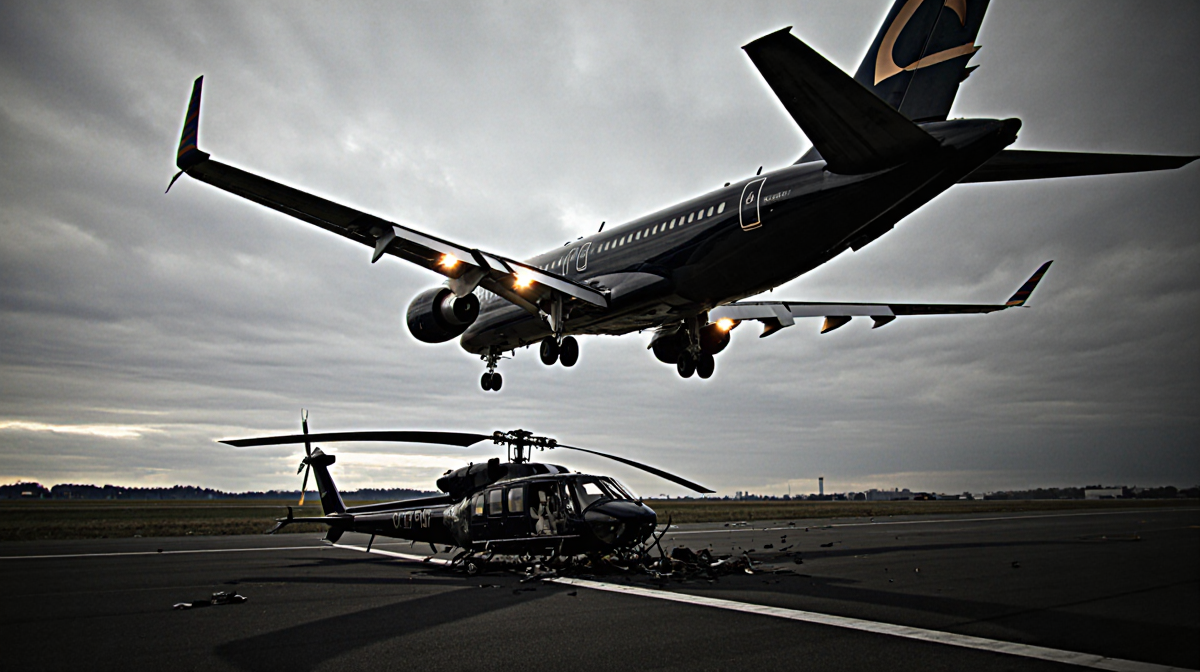
NTSB Probe into Kansas City Airliner-Helicopter Collision Reveals Systemic Vulnerabilities
Introduction
The collision occurred on 12 March 2024, when a Boeing 737-800 was descending from 12,000 ft to 5,000 ft while a Bell 206 helicopter maintained a 5,000 ft altitude. Three people died and seven were injured; survivors describe a sudden, terrifying loss of control. The National Transportation Safety Board’s mandate is to identify root causes and recommend safety measures; the investigation is urgent.
Investigation Findings
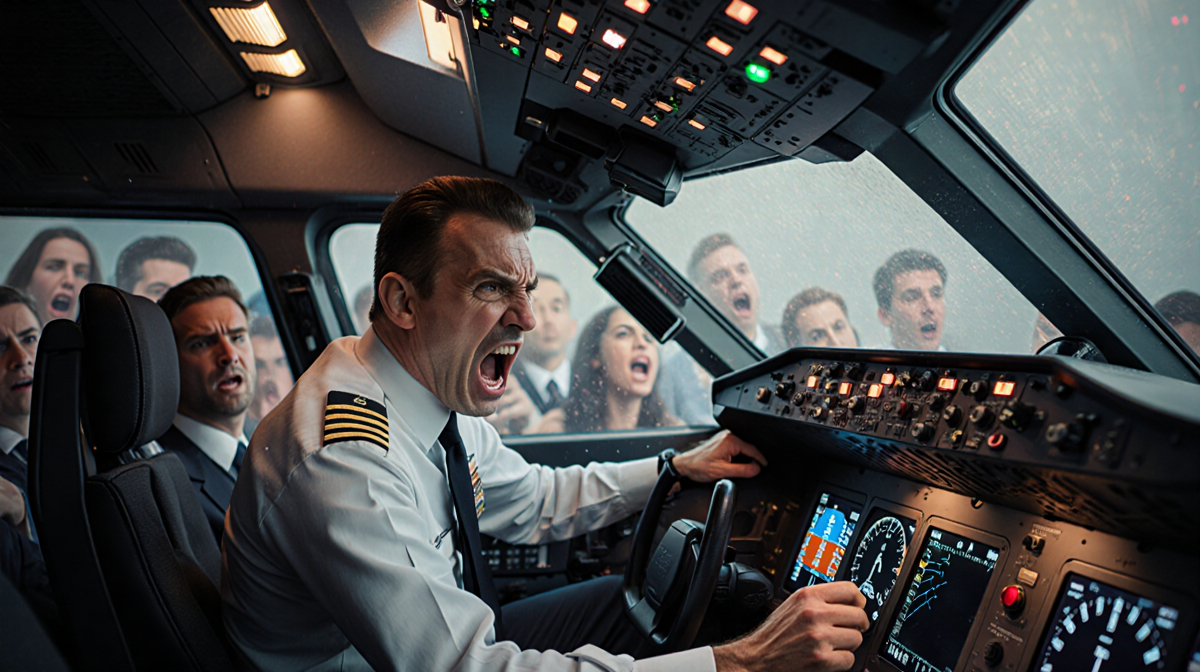
Flight data shows the airliner was descending at 1,200 ft/min-exceeding the 800 ft/min limit-and the helicopter was at 5,000 ft. NTSB investigators examined cockpit voice recorders; they found no mechanical failures; the root cause is human error.
A survivor said, “The sudden loss of control left us in shock.”
Key findings and recommendations:
• Collision-avoidance system upgrades
• Enhanced ATC altitude monitoring
• Pilot training for mixed-aircraft scenarios
Conclusion
The incident exposes systemic gaps in airspace coordination between commercial and rotary-wing aircraft. Regulators will update rules; the NTSB will issue safety recommendations that shape future aviation policy. The aviation sector will adopt new guidelines; training and technology upgrades will be prioritized. Safety remains paramount; the aviation community will implement changes to prevent recurrence.