> At a Glance
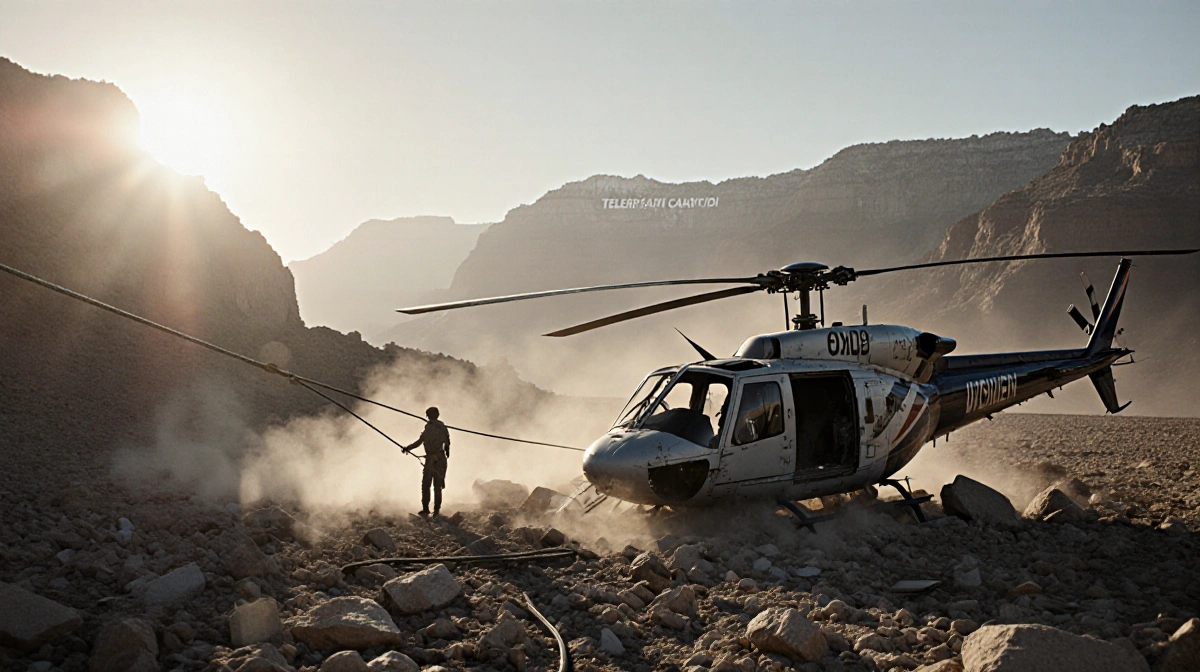
> – The helicopter that crashed on Jan. 2 near Superior, Arizona, has been recovered
> – Pilot David McCarty and his three nieces-Rachel McCarty, Faith McCarty, Katelyn Heideman-died
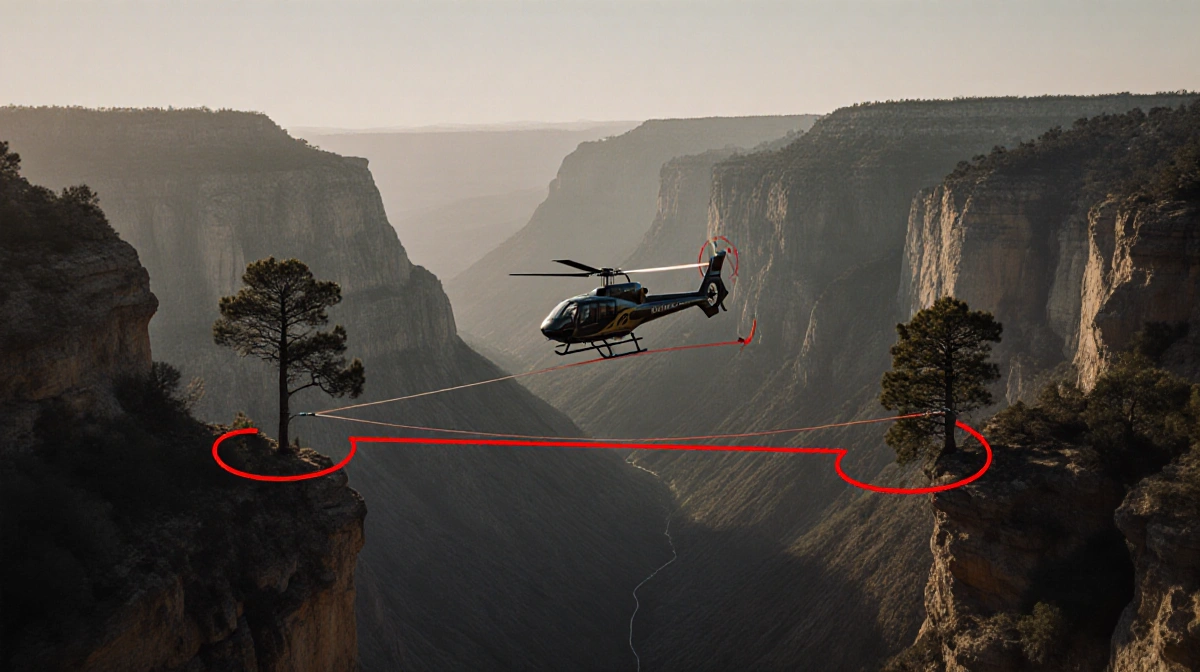
> – Investigators suspect the aircraft hit a 1-km recreational slackline before plummeting into Telegraph Canyon
> > Why it matters: Federal teams are racing to understand how a leisure cable may have caused one of Arizona’s deadliest recent civilian air disasters
A wedding-day sightseeing flight turned tragic when the aircraft carrying a groom-to-be and three young relatives went down in rugged terrain east of Phoenix, triggering a joint NTSB-FAA probe.
Recovery and Initial Findings
Crash teams transported the wreckage to a secure facility on Jan. 4 after reaching the site on foot. The National Transportation Safety Board has now completed its on-scene work, spokespersons told News Of Los Angeles.
Investigators will focus on three areas:
- The pilot’s record and actions
- The aircraft’s mechanical history
- The operating environment, including the newly discovered slackline
What Witnesses and Data Reveal
A 911 caller reported the helicopter “strike a portion of the line” before falling. The FAA had already issued a temporary flight restriction over the canyon.
| Agency | Role |
|---|---|
| NTSB | Lead investigator, 30-day preliminary report expected |
| FAA | Supporting probe, issued airspace restriction |
Victims Remembered
David McCarty, an experienced pilot, had planned to marry later that day. Family members said he was giving his nieces-aged 22, 21, 21-an aerial tour before the ceremony.
Mary Jane Heideman, mother of Katelyn and aunt to Rachel and Faith, told News Of Los Angeles:
> “They were all so loved… They had such bright futures. It’s just hard to fathom.”
Key Takeaways
- The helicopter departed Pegasus Airpark, Queen Creek, around 11 a.m. local time
- A recreational slackline over 1 km long may have acted as a fatal tripwire
- A full NTSB report detailing probable cause will take 12-24 months
As wedding guests became mourners, federal teams sift wreckage and data for answers expected to reshape local flight paths and recreation rules alike.