
At a Glance
- Maternal deaths in the year after delivery more than doubled from 1999 to 2019
- Labor nurse Jen Hamilton urges every expectant parent to ask one question before choosing a hospital
- AWHONN standards say no nurse should care for more than two laboring patients at once
- Why it matters: Your choice of hospital and staffing levels could determine whether you receive safe care during childbirth
A viral warning from a labor and delivery nurse is urging expectant parents to ask a critical question before heading to the hospital: does the facility follow safe staffing standards that could protect birthing mothers at a time when U.S. maternal deaths are surging.
The One Question That Could Save Your Life
“If you or someone you love is going to give birth in a hospital, there is a question you need to ask before you go that can determine whether you are likely to have safe care or not,” said Jen Hamilton, a labor and delivery nurse whose multi-part TikTok videos amassed a combined 300,000 views in their first 24 hours.
The question: whether the hospital follows AWHONN’s safe staffing standards. AWHONN, the Association of Women’s Health, Obstetric and Neonatal Nurses, publishes a 95-page document detailing recommended standards for care.
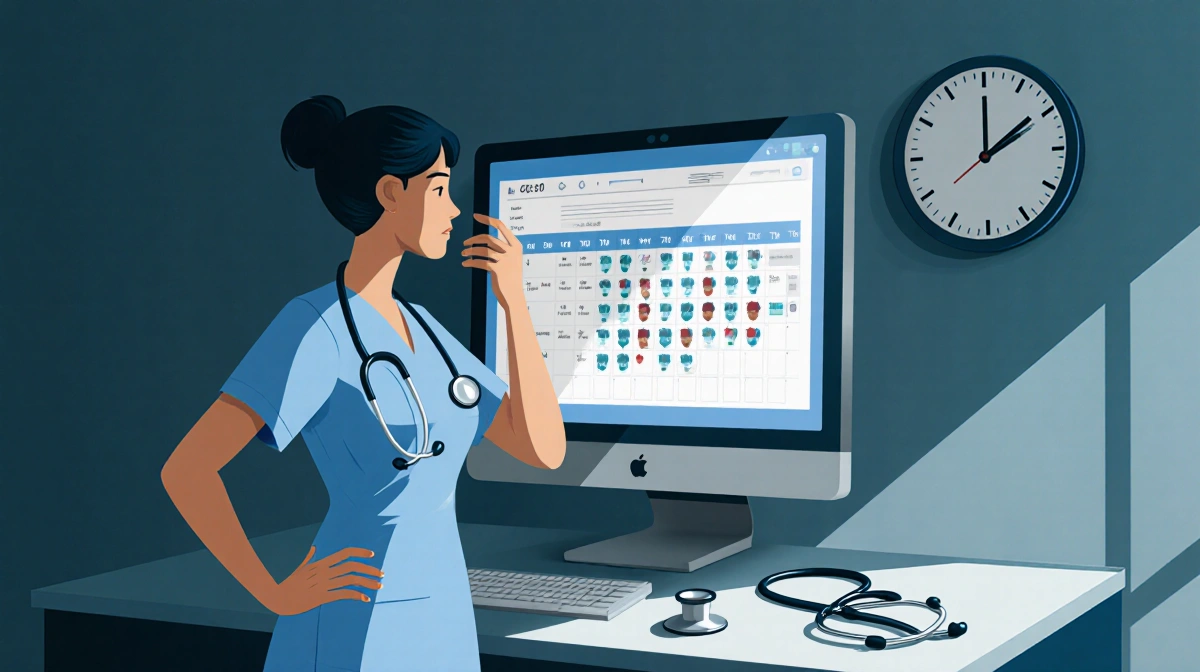
“Your nurse should be caring for no more than two patients ever. And that should be on a bad day,” Hamilton emphasized.
America’s Maternal Mortality Crisis
The number of U.S. women who died the year following a pregnancy more than doubled between 1999 and 2019, according to federal data. Hamilton believes unsafe staffing plays a major role in the country having the highest maternal mortality rate among developed nations.
“I believe that if we’re living in a country that has the highest maternal mortality rate in any developed nation, that having unsafe staffing is a big contributor to this,” she told News Of Losangeles.
An AWHONN spokesperson confirmed that while their staffing standards don’t have “a single universal ratio,” they generally recommend one nurse for every patient in active labor. The organization noted that “numerous studies have validated the relationship between inadequate staffing and inpatient mortality and adverse events.”
How to Find Out About Staffing
Hamilton suggests asking about staffing standards well before your due date, but acknowledges getting honest answers might be challenging after her videos raised awareness.
Who to ask:
- Friends who work on labor and delivery units
- Local parent Facebook groups
- People who live the reality daily
What to ask them: “How often are you asked to care for more than two patients?”
“You’re only going to get the right answer from people who live it,” Hamilton explained.
What to Do If You Encounter Unsafe Staffing
If you arrive at the hospital and discover your nurse is caring for more than two laboring patients, Hamilton recommends:
- Ask for the hospital’s house supervisor
- Ask if hospital administration is aware of the unsafe staffing issue
- Request documentation in your chart that you are being cared for by a nurse with an “unsafe assignment”
“If anything happens to go wrong with your care, adding a note in your chart automatically points a finger at the unsafe staffing, that the hospital knew and did not do anything about it,” Hamilton said.
She stresses never to blame the nurse, who is simply doing their job under difficult circumstances.
The Power of Documentation
Hamilton posed a question to nurses in her video comments: “How fast would asking for documentation get something to happen?”
The responses were immediate:
- “Sooooo fast. Admin on call’s phone would be ringing”
- “Absolutely fast. But as a nurse, I tell management I’m not even clocking in if it’s unsafe”
- “Soo fast. They would be offering big money to come in – that they didn’t have two hours earlier”
Making the Decision to Stay or Go
If you discover unsafe staffing after arriving at the hospital, Hamilton acknowledges there’s no clear-cut answer about whether to stay or seek care elsewhere.
“That’s always a personal decision,” she said.
However, if you’re at the hospital for an induction for a non-medical reason, she notes “there’s always an option to leave the hospital. It’s a risk-benefit analysis that everybody has to make for themselves.”
The Role of Support People
Hamilton emphasizes that patients in active labor may struggle to advocate for themselves, making it crucial for support people and doulas to understand these staffing standards.
“It’s important for support people and doulas to keep this in mind,” she said.
Personal Experience
Hamilton, a mother of two and author of the upcoming book “Birth Vibes,” considers herself fortunate to work at a facility with good staffing most of the time. However, she hears concerning stories from nurses at other hospitals.
“I’m very fortunate to work on a unit where we have really good staffing most of the time,” she said. “But I hear these stories from other nurses who work in places where unsafe staffing is the norm.”
Despite suspecting some hospitals will be upset about her sharing this information, Hamilton felt compelled to speak out given the stakes involved in maternal care.
Key Takeaways
- Ask about AWHONN staffing standards before choosing a hospital
- One nurse should never care for more than two laboring patients
- Document unsafe staffing in your medical chart
- Support people should know these standards to advocate during labor
- The U.S. maternal mortality crisis makes safe staffing more critical than ever