> At a Glance
> – Nvidia demoed Project G-Assist, an on-device AI that tweaks PC settings by voice
> – The tool runs locally, skipping cloud costs and privacy risks
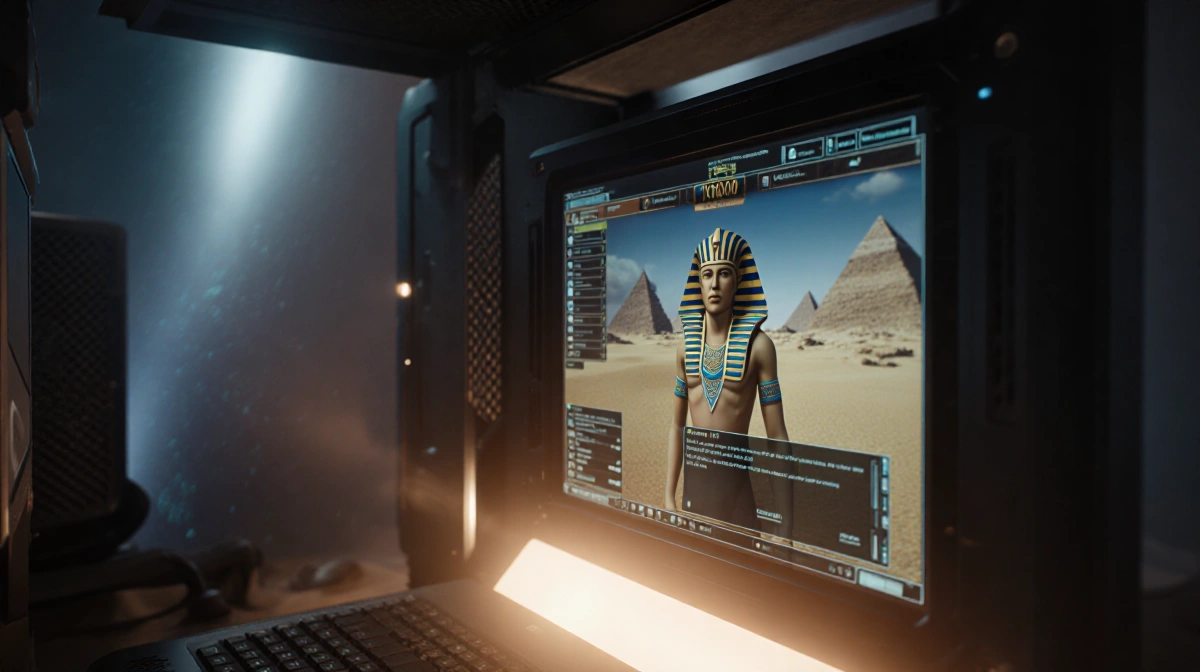
> – A Total War: Pharaoh adviser answers gameplay questions without spoilers
> – Why it matters: It shows how small language models can reshape everyday computing and gaming without sending data off your device
Nvidia used CES 2026 to show that AI doesn’t need giant cloud servers. A chatbot living on your own hardware can handle both system chores and complex game hints in real time.
On-Device AI Handles the Small Stuff
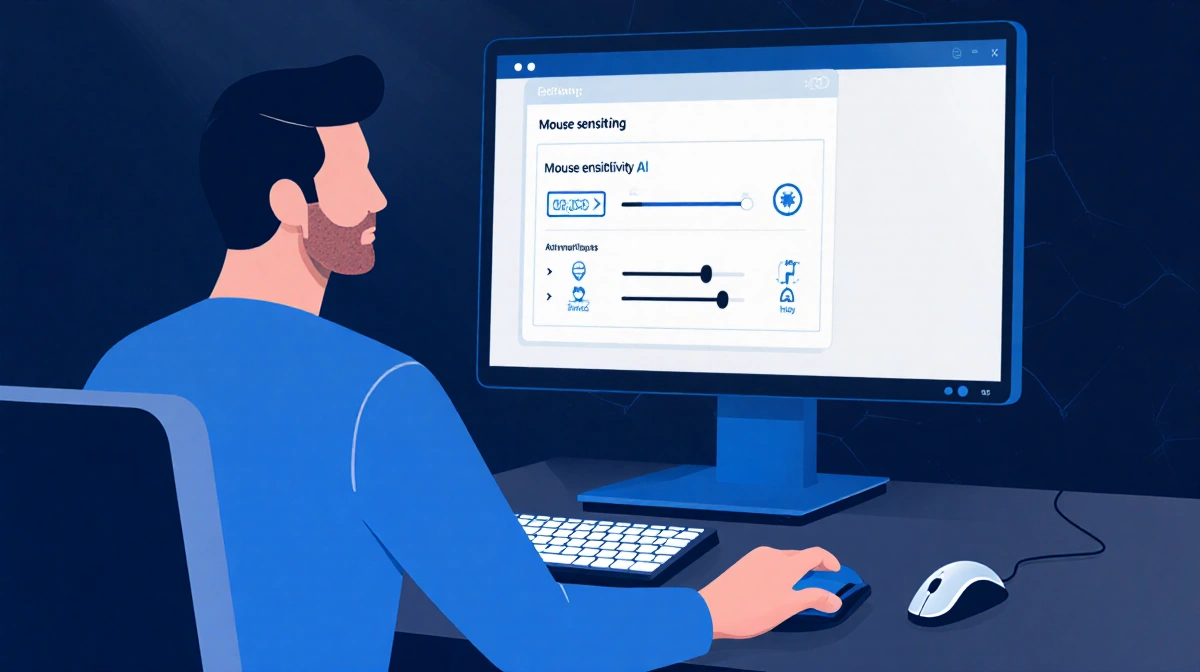
Project G-Assist listens through a microphone and changes settings for you. During the show floor demo, Gerardo Delgado-Cabrera, Nvidia’s director of AI PC, asked it to reset mouse sensitivity after each group left so the next visitors could try the same task.
> “It’s gotten to that point where we have convinced ourselves to just use it naturally,” he told Jonathan P. Miller.
The experiment is already downloadable. Developers can write plugins that let the bot read your current setup and suggest improvements, then apply them on request. Everything happens on the same machine, so nothing leaves your desk, though it will gobble RAM if you leave it running.
Game Coach That Knows When to Stay Quiet
A separate demo paired the same local-model idea with Total War: Pharaoh. New players can ask why a rebellion erupted and get an explanation plus possible fixes drawn from the game’s dense manuals.
The trick is staying helpful without ruining the fun:
- Answers use in-game context only
- No step-by-step “win” commands
- Keeps surprises intact
Voice or text control could open an alternate playstyle: skip menus and simply tell your empire what to do, much like a real leader briefing aides.
Why Local AI Beats the Cloud
Running models on your own silicon has clear wins:
- Privacy: data never crosses the internet
- Speed: no round-trip to distant servers
- Cost: zero cloud usage fees, a plus for artists who iterate dozens of times
Nvidia also flashed an AI-generated 3-D video rendered entirely on local GPUs, underscoring the theme that personal hardware can now shoulder serious AI work.
Key Takeaways
- Project G-Assist is live, open for plugins, and runs without cloud calls
- On-device AI can coach players through complex strategy titles while preserving mystery
- Local processing saves subscription cash and keeps private data home
- Expect more apps that treat your PC as its own mini AI server, not a dumb terminal