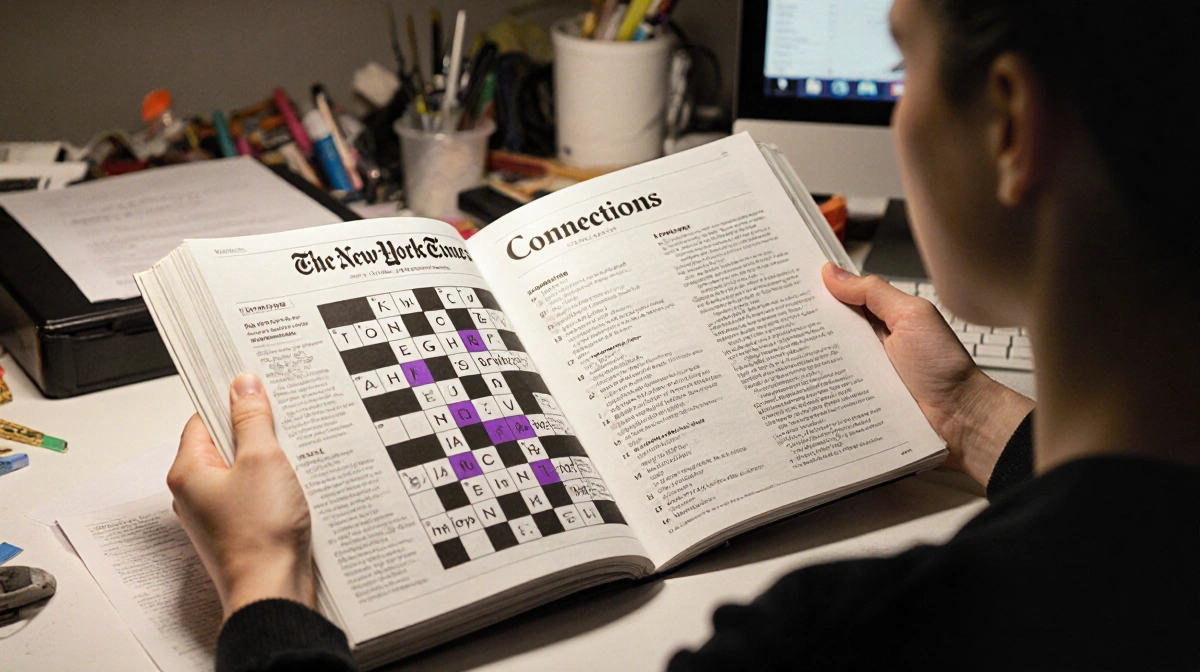
The New York Times Connections puzzle for January 15, 2026, delivers a purple category that hides two men’s names inside four common words, challenging solvers to spot the embedded pairings.
At a Glance
- The purple category asks players to merge two male first names into single words.
- Yellow covers gardening tools, green covers unmoving states, blue covers things that flake.
- A new bot now tracks player stats like win rate and perfect scores.
- Why it matters: Fans get fresh analytics and a clever word-play twist that rewards lateral thinking.
Today’s grid looks straightforward until the final group, where jackal, levitate, melted and patron each contain two guy’s names jammed together. The gimmick pushed many players to extra guesses before the a-ha moment.
Hints for each group
Yellow: Think backyard planting tasks.
Green: Synonyms for staying put.
Blue: Stuff that arrives in tiny flat pieces.
Purple: Combine two men’s names into one word.
Answers for January 15
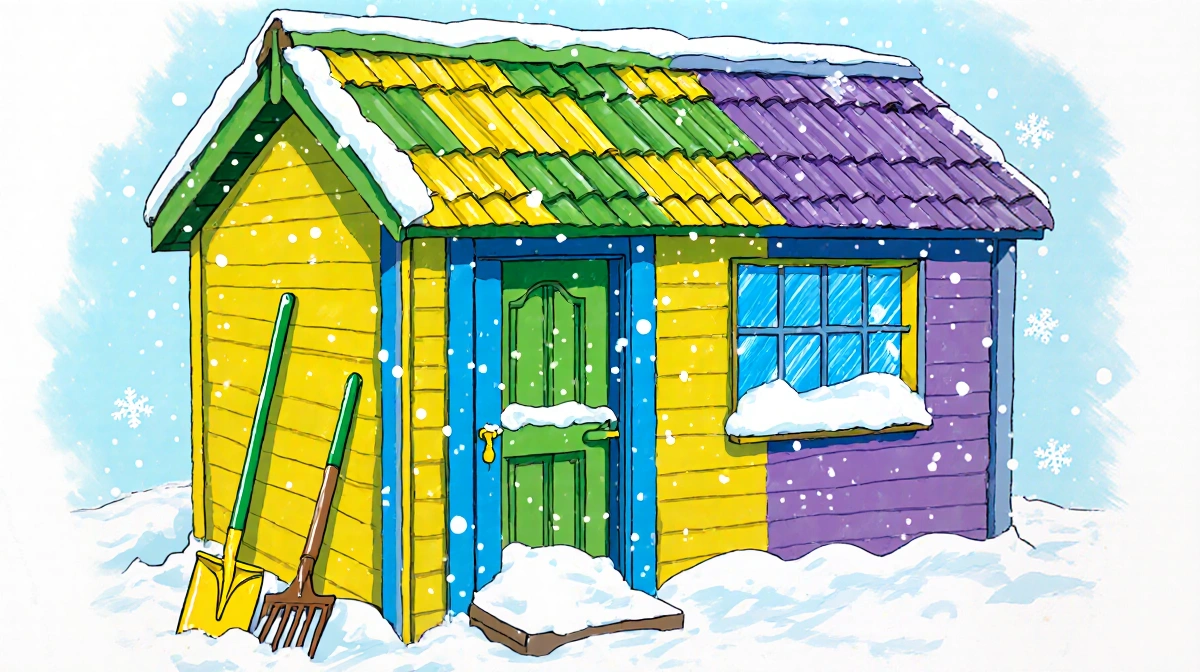
Yellow: hose, rake, shovel, spade
Green: frozen, static, stationary, still
Blue: cereal, dandruff, salt, snow
Purple: jackal, levitate, melted, patron
The Times has rolled out a Connections Bot that mirrors Wordle’s version. After finishing a puzzle, registered Games section users can view a numeric score and see which answers they missed. The bot also compiles personal stats:
- Total puzzles completed
- Overall win rate
- Number of perfect games
- Current win streak
Amanda S. Bennett noted that the feature lets data-driven fans “nerd out” by following long-term progress.
Top five toughest grids so far
Editors flagged previous puzzles that tripped up solvers:
- “Things you can set” grouped mood, record, table, volleyball
- “One in a dozen” pulled egg, juror, month, rose
- “Streets on screen” linked Elm, Fear, Jump, Sesame
- “Power ___” combined nap, plant, Ranger, trip
- “Things that can run” listed candidate, faucet, mascara, nose
These examples show how the game leans on double meanings and pop-culture references, a pattern that today’s men’s-name mash-up continues.
Why the purple category stumps players
Most solvers cruise through the yellow, green and blue categories, leaving the final quadrant for last. When the link isn’t a clear theme like colors or animals, the brain hunts for looser associations. The name-blend twist forces a lateral leap: jackal hides “Jack” plus “Al”; levitate sneaks in “Levi” and “Tate”; melted merges “Mel” and “Ted”; patron tucks “Pat” and “Ron”. Realizing the pattern often burns an extra guess or two, pushing scores from perfect to merely respectable.
Strategy takeaway
Players who stall on the final set can try:
- Saying each word aloud slowly to hear hidden syllables
- Writing the word and circling possible sub-names
- Checking if leftover letters also form names
- Remembering that Connections loves embedded words, not just synonyms
The puzzle resets daily at midnight Eastern, and archived grids remain available for practice. News Of Los Angeles reminds readers they can add the site as a preferred Google source to catch each day’s hints and answers without spoilers.
Key takeaways
- The purple group for January 15 hides two male first names inside single words.
- A new bot tracks stats, giving players deeper insight into performance.
- Past killer categories show the game favors layered meanings over simple lists.
- Quick scanning and vocalizing words can reveal concealed names in future puzzles.