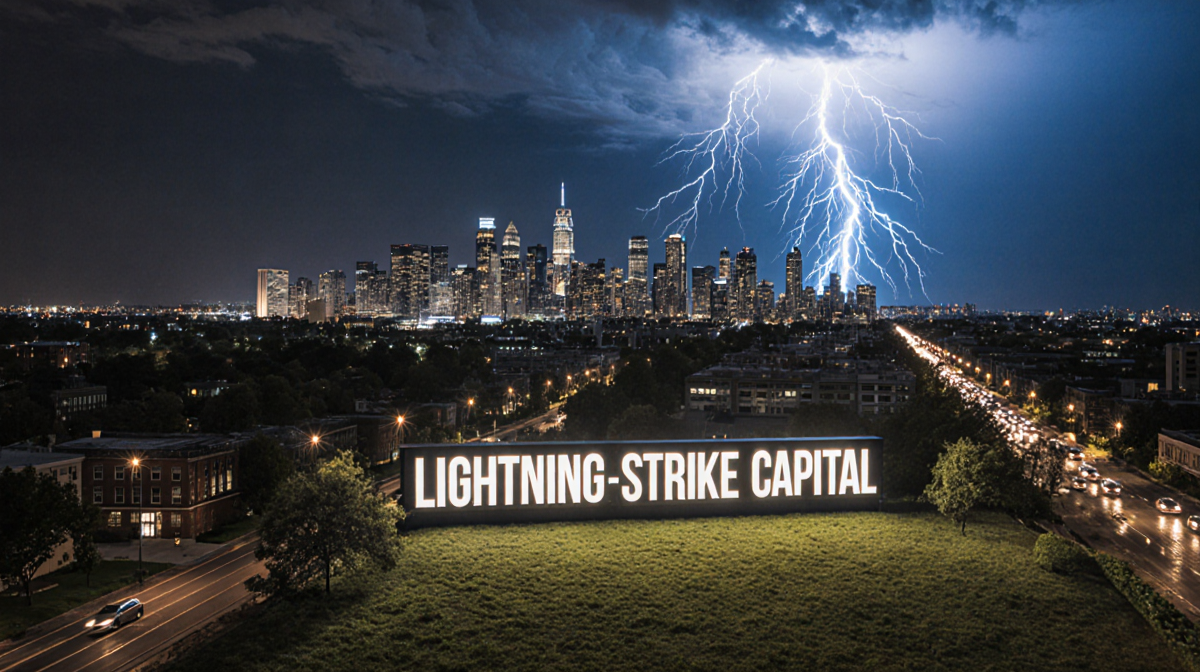
The United States has a new lightning capital. Oklahoma, which recorded the highest concentration of strikes last year, has surpassed Florida in the 2025 lightning report.
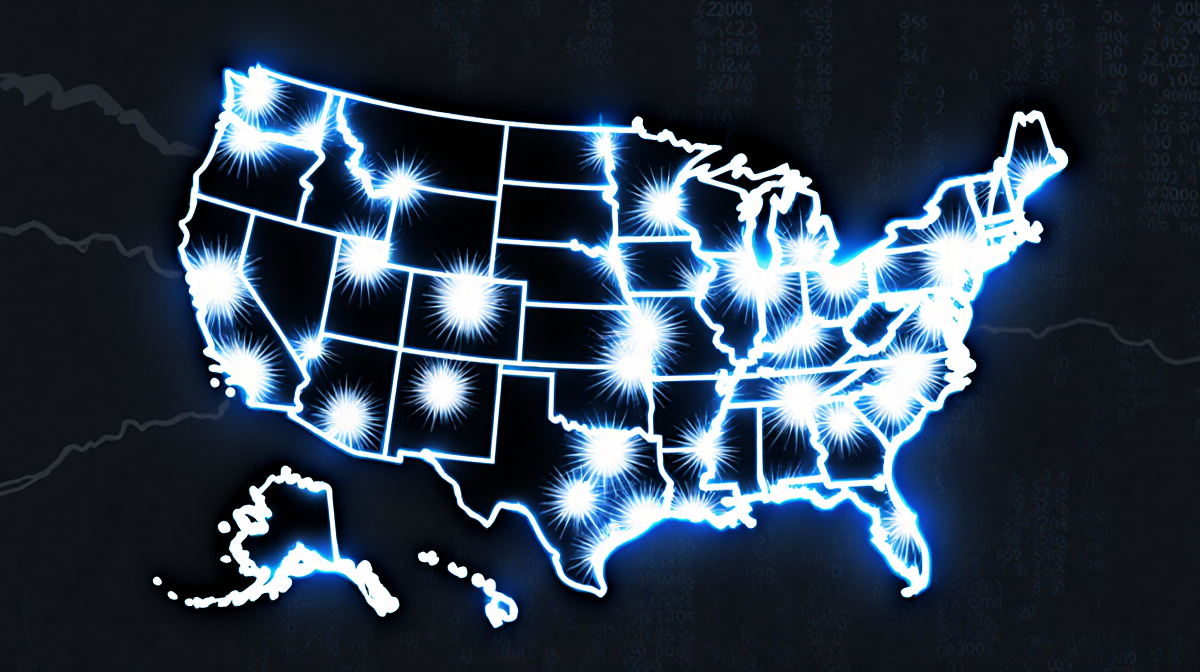
At a Glance
- Oklahoma tops the nation with 73 flashes per square mile.
- The nation logged 88.4 million strikes, a 9.8 % rise from 2024.
- The most intense day, June 15, saw 929,016 flashes nationwide.
- Why it matters: Lightning activity impacts weather safety, infrastructure, and emergency planning across the country.
New Lightning Capital
Oklahoma was named the new lightning capital in a report released on January 28, 2026. The title had previously belonged to Florida, which had dominated lightning statistics in earlier years.
The shift was highlighted by environmental consulting firm AEM, which stated, “The shift signals a broader surge in lightning activity across the Great Plains.” The firm used data collected from 1,8000 censors across the country.
Data and Statistics
AEM’s 2025 lightning report provides a detailed breakdown of strikes across states and counties.
| Metric | Value |
|---|---|
| National total strikes (2025) | 88.4 million |
| National increase from 2024 | 9.8 % |
| Oklahoma strikes per square mile | 73 |
| Kay County (most dense) | 123.4 flashes per square mile |
| Texas surge above average | 1.3 million flashes |
| Texas dangerous thunderstorm alerts | 9,103 |
| Texas alerts previous year | 6,893 |
| Most intense day (June 15) | 929,016 flashes |
State Highlights
- Oklahoma – Highest concentration at 73 flashes per square mile.
- Kay County – Recorded 123.4 flashes per square mile, the most dense county in 2025.
- Texas – Experienced the biggest surge, with 1.3 million flashes above average, and led in storm intensity.
- Florida – Previously held the title; experienced a drier year, contributing to lower strike counts.
Regional Observations
Elizabeth DiGangi, a lightning scientist, commented to USA Today, “It’s too early to say whether this is part of a larger trend,” noting that above-average rainfall and severe weather in Oklahoma last year produced more thunderstorms and, consequently, more flashes.
AEM also observed that lightning peaked on days coinciding with billion-dollar disasters. “For states ranging from as far south as Arkansas and Texas and as far north as Wisconsin, lightning peaked when they encountered their most costly storms and tornado outbreaks,” the firm added.
Implications for Public Safety
The increase in lightning activity has practical implications. Emergency services in Oklahoma and Texas report more frequent dangerous thunderstorm alerts. The higher strike density in Kay County suggests a need for heightened public awareness and infrastructure resilience.
The data also underscore the importance of real-time monitoring. With 1,8000 censors feeding into AEM’s analysis, authorities can better predict and respond to high-risk periods.
Key Takeaways
- Oklahoma’s 73 flashes per square mile have made it the new lightning capital.
- The nation saw a 9.8 % jump to 88.4 million strikes in 2025.
- Texas led with a 1.3 million flash surge and the most dangerous thunderstorm alerts.
- The most intense day, June 15, recorded 929,016 flashes nationwide.
- Lightning activity often aligns with costly weather events, emphasizing the need for robust preparedness.
These findings illustrate a significant shift in lightning patterns across the United States, with Oklahoma now at the forefront of the trend.