At a Glance
- Prosecutors and defense jointly request a larger jury pool for the Palisades arson trial
- Jonathan Rinderknecht pleads not guilty to three federal arson charges linked to the Jan. 1 Lachman fire
- Defense may argue local government’s failure to control the smaller blaze contributed to the larger disaster
- Why it matters: The case could reshape how responsibility is assigned in wildfire-related prosecutions
Both sides in the upcoming Palisades arson trial agree on one thing: finding an impartial jury will require extraordinary measures. In a joint filing Tuesday, prosecutors and defense attorneys asked the court to summon a larger-than-usual pool of prospective jurors and to screen them in advance with a written questionnaire.
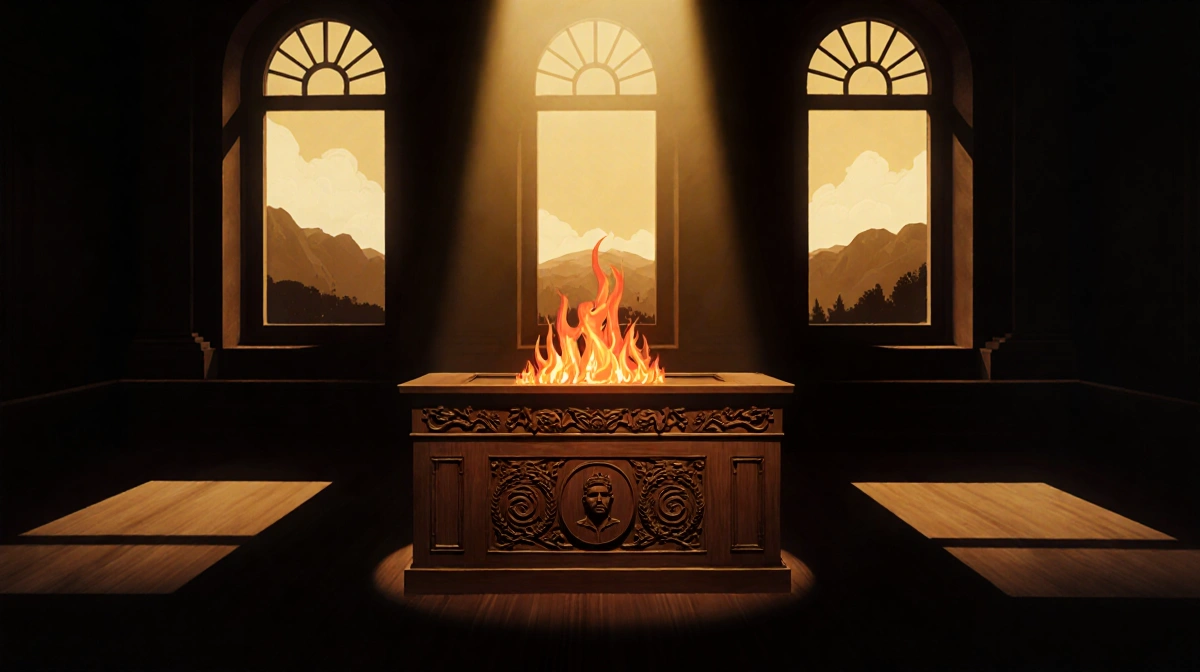
Jonathan Rinderknecht, extradited from Florida, stood in a downtown Los Angeles courtroom Thursday and pleaded not guilty to three federal arson counts. He is accused of setting the Lachman fire on January 1, 2025, a blaze the Bureau of Alcohol, Tobacco, Firearms and Explosives says rekindled six days later and became the destructive Palisades Fire.
Joint Request for Expanded Jury Selection
The parties told the court that despite intense media coverage and the fire’s deep community impact, a fair jury can still be found-if the standard selection process is modified.
Key changes requested:
- A written questionnaire sent to prospects before trial
- A significantly larger jury pool
- A Feb. 11 hearing to finalize the plan
According to News Of Los Angeles‘s earlier coverage, Rinderknecht’s attorney, Steve Haney, had questioned whether local residents could remain unbiased. After a hearing last year, Haney floated the idea that a hometown panel might actually help his case. Part of the defense strategy will highlight the local government’s role, asking jurors to weigh whether officials could have stopped the initial Lachman fire or slowed the later Palisades Fire.
Detention and Trial Timeline
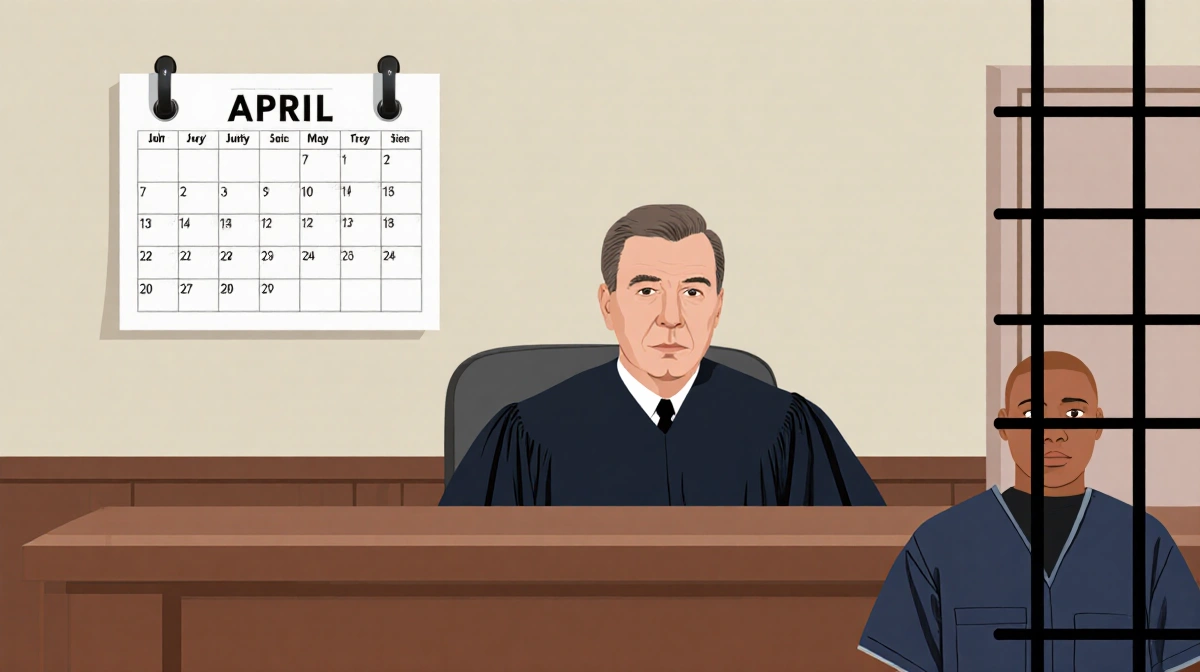
Rinderknecht remains in federal custody with no bail set. U.S. District Judge John F. Walter has scheduled the trial to begin in April; the exact date will be fixed once the jury-selection logistics are settled.
If the court approves the expanded pool, prospective jurors would receive questionnaires designed to uncover biases before they even enter the courthouse. The larger pool is intended to offset any disqualifications caused by personal losses or strong opinions tied to the fire.
Key Takeaways
- The defense and prosecution rarely agree on pre-trial procedures, making this joint request notable
- The outcome could influence how courts handle high-profile wildfire cases in fire-prone regions
- Community anger toward the defendant remains palpable, complicating the search for 12 impartial jurors