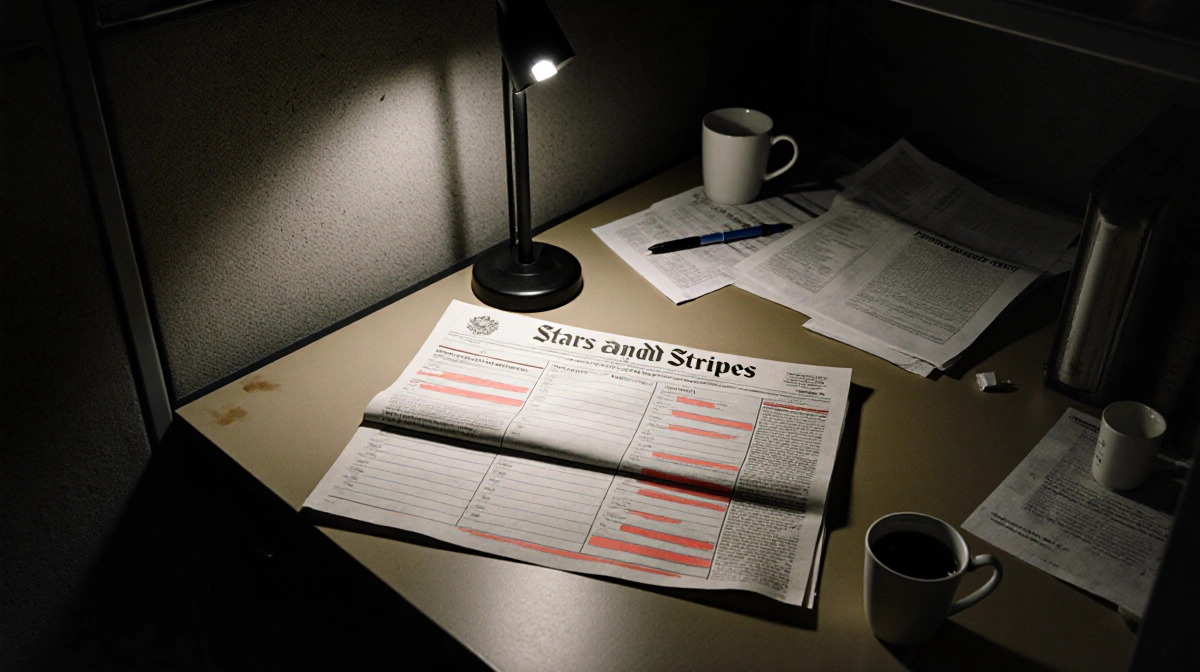
At a Glance
- Defense Secretary Pete Hegseth’s office announced that Stars and Stripes will drop “woke distractions” and refocus on “reporting for our warfighters”
- 50% of content will be produced by the Defense Department; wire-service reprints from The Associated Press and Reuters will end
- Job applicants were asked how they would advance President Trump’s policies, raising concerns about loyalty tests for journalists
- Pentagon also moved to erase 1990s-era directives that enshrine the paper’s editorial independence
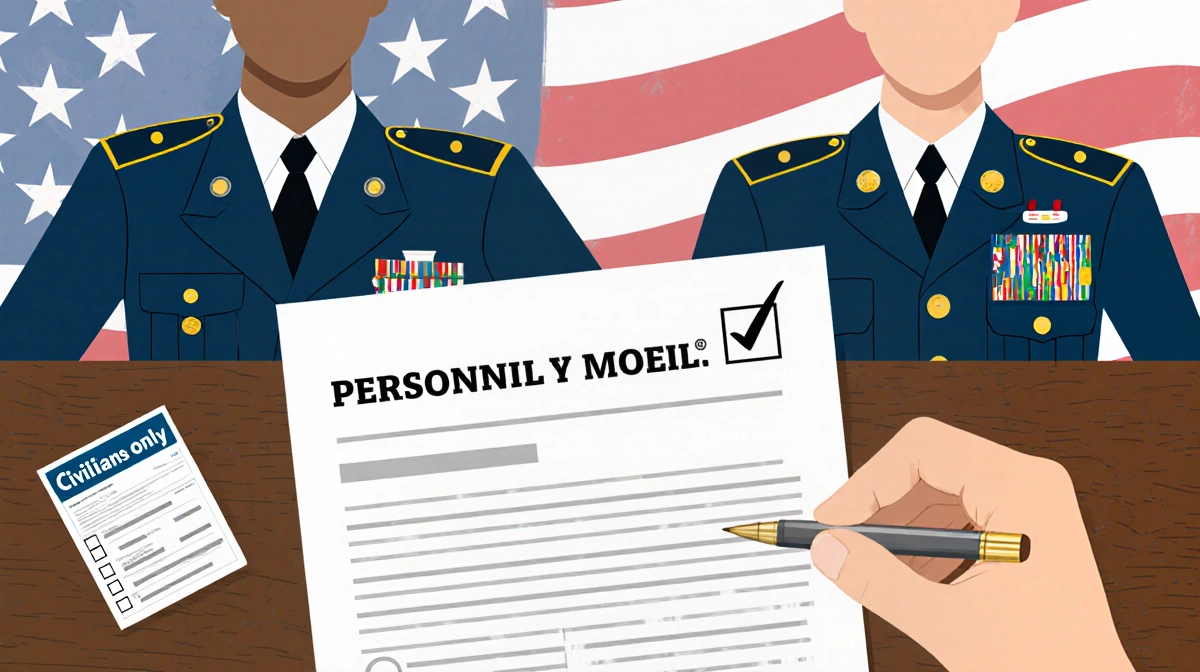
Why it matters: The changes threaten the Civil War-era publication’s congressionally protected independence, which service members rely on for unbiased news.
The Pentagon is overhauling the military newspaper Stars and Stripes, stripping out civilian control, outside wire copy, and the editorial firewall that has protected the outlet since the 1990s, according to an announcement Thursday from Defense Secretary Pete Hegseth’s office.
The publication-founded during the Civil War and continuously serving deployed troops since World War II-will now be “custom tailored to our warfighters,” spokesman Sean Parnell wrote on the social-media platform X. Parnell said future coverage will emphasize “warfighting, weapons systems, fitness, lethality, survivability and ALL THINGS MILITARY,” while dropping what he labeled “woke distractions.”
Roughly half of the paper’s budget comes from the Pentagon and its journalists are Defense Department employees, yet Congress codified the outlet’s independence three decades ago after senior officers tried to influence coverage. The paper’s mission statement still declares that it is “editorially independent of interference from outside its own editorial chain-of-command” and is “governed by the principles of the First Amendment.”
New staffing model
According to a report by conservative outlet The Daily Wire, the Pentagon intends to staff the newsroom with active-duty service members. Congress currently requires that both the publisher and top editor be civilians, protections publisher Max Lederer says may now be in jeopardy.
Under the new plan:
- 50% of articles will originate inside the Defense Department
- Wire-service stories from The Associated Press and Reuters will be eliminated
- All content must align with a narrower, combat-focused mission
Lederer told News Of Los Angeles he learned about the overhaul only when he saw Parnell’s post online. “No one at the Pentagon has communicated to me what it wants from Stars and Stripes,” he said. “This will either destroy the value of the organization or significantly reduce its value.”
Loyalty questions on job forms
The announcement follows a Washington Post report that applicants for reporting jobs were asked to explain how they would promote President Trump’s executive orders and policy priorities. The Office of Personnel Management inserted the question, which mirrors language used across federal hiring, but journalists say it undercuts the paper’s neutrality.
“The loyalty is to the truth, not the administration,” said Jacqueline Smith, the outlet’s congressionally mandated ombudsman, whose office reports to the House Armed Services Committee. Smith, a longtime Connecticut newspaper editor, added that she has seen nothing “woke” in the paper’s day-to-day reporting, which focuses on practical issues affecting troops and their families.
Legal uncertainty
The Pentagon simultaneously published a Federal Register notice signaling its intent to scrap directives that have governed the paper since the 1990s. Lederer said it is unclear whether the department can unilaterally eliminate those rules without congressional approval.
Historical precedent underscores the stakes. In 2020, then-Defense Secretary Mark Esper attempted to defund Stars and Stripes altogether; President Trump personally intervened to keep the paper alive. The outlet’s independence was previously challenged during Vietnam and the first Gulf War, prompting lawmakers to write protections into defense authorization bills.
Part of broader media clampdown
The shake-up is the latest in a string of moves targeting government-affiliated journalism. Most legacy reporters have left the Pentagon rather than sign new access rules they view as censorship, prompting a lawsuit by The New York Times. Separately, the administration has sought to curtail funding for Voice of America and Radio Free Europe/Radio Liberty, and federal agents this week raided the home of a Washington Post reporter in an unrelated leaks probe many journalists see as intimidation.
Defense Secretary Hegseth further stoked constitutional concerns Wednesday when he declined to say whether he would obey court orders limiting deployment of troops against domestic protesters, telling lawmakers, “We should not have judges determining foreign policy or national security policy for the country.”
What’s next
Lederer says Stars and Stripes is valued by the military community precisely because it operates outside the chain of command. Smith argues that maintaining credibility requires keeping the newsroom free of political litmus tests and partisan talking points.
For now, the paper continues publishing in print and online for troops overseas, but staff uncertainty is high. Without the statutory protections and civilian leadership, both the publisher and ombudsman warn, the publication risks becoming a command mouthpiece rather than the trusted information source generations of service members have relied on since World War II.
Key takeaways
- Editorial independence enshrined by Congress in the 1990s is being dismantled
- Half of future content will come from within the Defense Department, ending outside wire-service coverage
- Job applicants face political screening, contradicting journalistic ethics
- Publisher Max Lederer says the changes could destroy the organization’s value to troops