At a Glance
- Philip Glass has pulled his upcoming Symphony No. 15 “Lincoln” from the Kennedy Center.
- The composer cited a conflict between the symphony’s message and the center’s current values.
- The premiere, originally scheduled for June, has been cancelled amid broader artist withdrawals.
- Why it matters: The move signals growing tension between the arts community and the Kennedy Center’s leadership.
Philip Glass, the renowned American composer, announced that he is withdrawing his symphony from the Kennedy Center. The decision comes after a period of controversy surrounding the venue’s leadership and political affiliations. The composer’s statement highlights a perceived clash between the work’s themes and the center’s present direction.
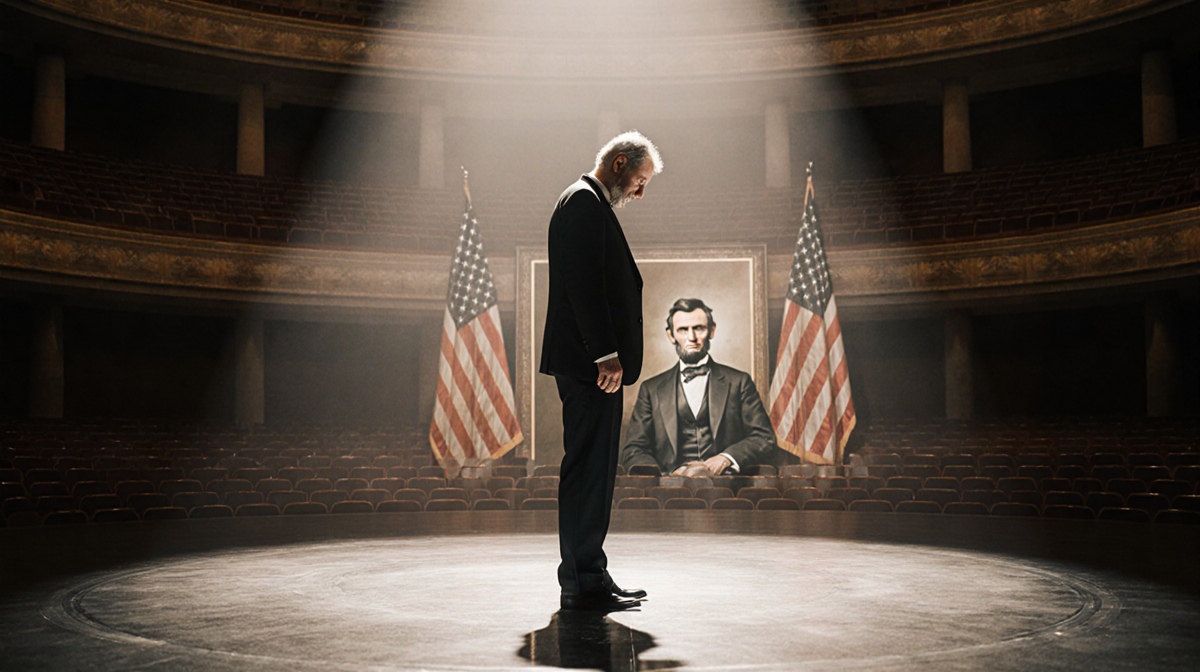
Glass is best known for his minimalist style and has written dozens of operas, symphonies, and concertos. His latest work, Symphony No. 15, is titled “Lincoln” and is described as a portrait of Abraham Lincoln. The piece was set to debut as a world premiere at the Kennedy Center in June.
In a statement posted to X, Glass said: “After thoughtful consideration, I have decided to withdraw my Symphony No. 15 ‘Lincoln’ from the John F. Kennedy Center for the Performing Arts.” The composer added that the symphony’s content conflicted with the center’s current values.
“Symphony No. 15 is a portrait of Abraham Lincoln, and the values of the Kennedy Center today are in direct conflict with the message of the Symphony,” Glass continued. “Therefore, I feel an obligation to withdraw this Symphony premiere from the Kennedy Center under its current leadership.”
The Kennedy Center’s board recently voted to include former President Donald Trump’s name in the venue, a move that has sparked debate within the arts community. The decision to add Trump’s name was made last month, prompting several artists to reconsider their engagements with the center.
Other musicians and groups have already cancelled performances. The Washington National Opera announced its departure from the Kennedy Center, citing financial concerns rather than politics. Meanwhile, singer Renée Fleming withdrew from two scheduled shows in May, with the center attributing the cancellations to a scheduling conflict.
Glass is not the first composer to pull a work from the Kennedy Center in response to the Trump-era board changes. A growing list of artists has cited the center’s political stance or the name change as reasons for withdrawing. The broader trend reflects a perceived shift in the venue’s cultural positioning.
The Kennedy Center had advertised the world premiere of Glass’s symphony as a significant event. The cancellation means the venue will lose a high-profile performance that was expected to draw large audiences. The impact on ticket sales and programming has not yet been quantified.
News Of Los Angeles has reached out to the Kennedy Center for comment on the withdrawal. The center has not yet issued a formal response to the announcement. Fans of Glass’s work are awaiting further details about the fate of the premiere.
The future of Symphony No. 15 remains uncertain. Glass has not indicated whether the work will be performed elsewhere or postponed. The composer’s decision underscores the broader debate about the role of politics in the arts.
Artists who have withdrawn from the Kennedy Center include notable names across opera and orchestral music. The Washington National Opera’s exit was publicly framed around financial concerns, while other musicians cited political reasons. The pattern suggests a complex mix of motivations.
The Kennedy Center’s leadership has faced scrutiny over its governance and naming decisions. The addition of Trump’s name to the venue’s title has been a point of contention for many in the arts community. Critics argue that the center’s values should align with its artistic mission.
Glass’s career spans more than five decades, during which he has produced influential works that explore American themes. His compositions often reflect historical and political subjects, making his withdrawal a significant statement.
Reactions from the music community have been mixed. Some applaud Glass’s stance, viewing it as a stand for artistic integrity. Others question whether the decision will influence the broader arts landscape.
Politically, the withdrawal highlights tensions between cultural institutions and political figures. The Kennedy Center’s association with Trump has become a flashpoint for artists who wish to distance themselves from the former president’s legacy.
Culturally, the incident raises questions about how venues balance artistic programming with their public image. The Kennedy Center has long been a flagship institution for performing arts in Washington, D.C.
| Date | Event |
|---|---|
| Last month | Kennedy Center board votes to include Trump’s name |
| Tuesday | Philip Glass announces withdrawal of Symphony No. 15 |
| June | Original premiere date for Symphony No. 15 |
Key Takeaways
- Philip Glass has withdrawn his symphony from the Kennedy Center, citing a conflict with the venue’s values.
- The decision follows the Kennedy Center’s board vote to add Donald Trump’s name to the venue.
- Other artists have also cancelled engagements, reflecting broader concerns about the center’s political direction.
- The premiere of Symphony No. 15, originally scheduled for June, has been cancelled.
- The Kennedy Center has not yet issued a formal response to the withdrawal.
The withdrawal of Symphony No. 15 by Philip Glass marks a significant moment for the Kennedy Center and the wider arts community. It underscores the ongoing debate about how political affiliations can influence artistic programming and the responsibilities of cultural institutions.