At a Glance
- A planet parade will feature six planets in the evening sky.
- The best viewing window is Feb. 21 to 28.
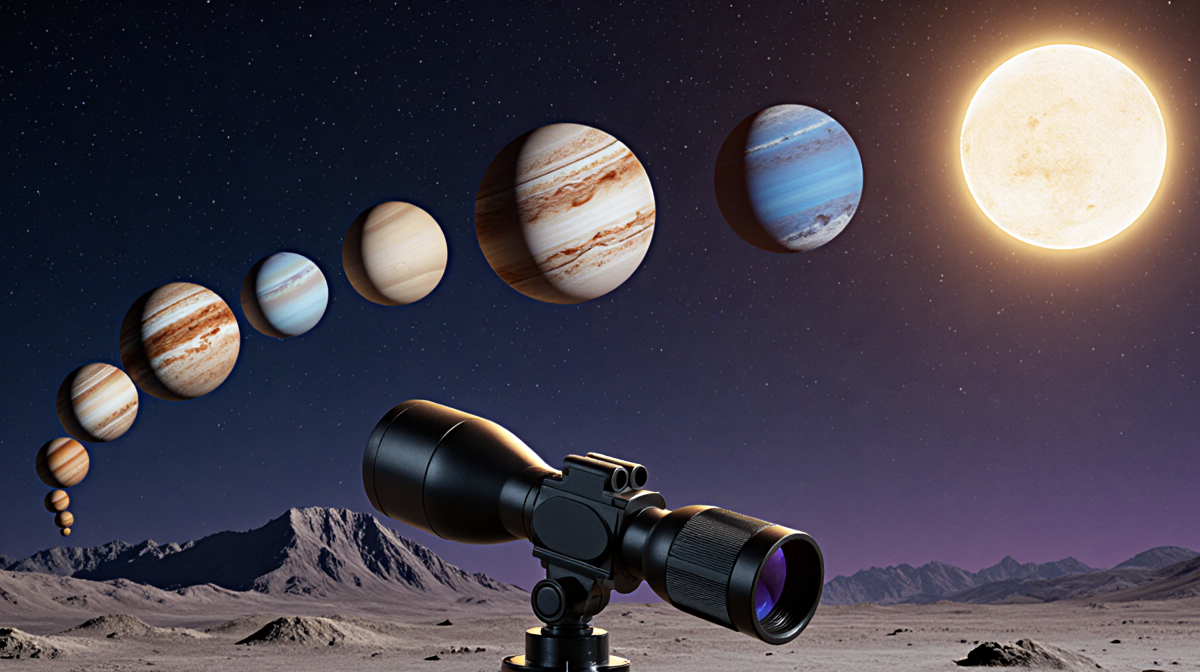
- A telescope with an 8-inch aperture is recommended.
- Why it matters: It offers a rare chance to see all major planets in one night.
The upcoming planet parade in February 2026 will bring six of the Solar System’s brightest planets into view for a brief period. Observers in the Northern Hemisphere can catch the event between Feb. 21 and 28, with the optimal time around 6:45 p.m. local sunset.
When and Where
The parade occurs during the last week of February, a time when Mercury and Venus are still close to the setting sun. Observers in the U.S., Canada, Mexico, and much of the world can see the planets from the western horizon as the sun dips. The alignment is visible from Tokyo to London, and it also appears in the Southern Hemisphere, though the exact timing shifts slightly.
| Date | Key Events | Notes |
|---|---|---|
| Feb. 21 | First visibility | Mercury and Venus near the sun |
| Feb. 23 | All six planets visible | Best time for observation |
| Feb. 28 | Last day of parade | Mercury and Venus drop below horizon |
During the parade, Mercury and Venus will be clustered next to each other near the sun, while Saturn and Neptune will also group together on the western horizon. Jupiter and Uranus will be easier to spot because they remain visible after the others dip below the horizon.
How to Spot the Planets
- Start with Venus: It is the brightest and easiest to find.
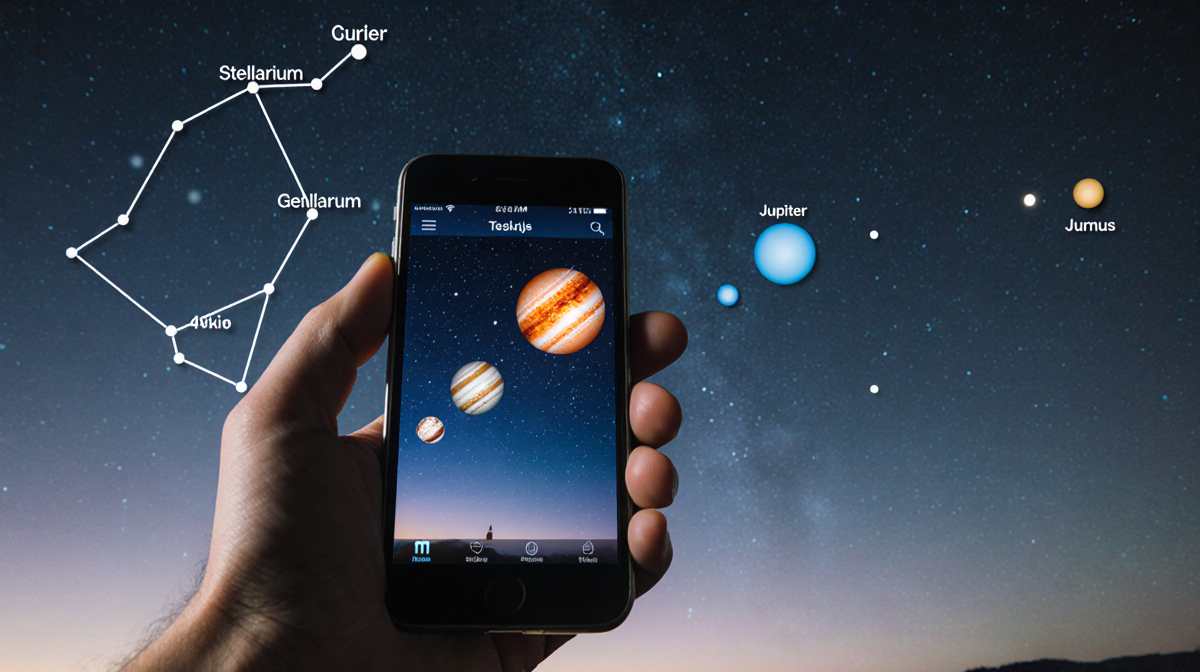
- Use a sky-mapping app such as Stellarium or Stellarium Mobile to locate the other planets.
- Jupiter and Uranus will appear alone in the night sky after the inner planets disappear.
- Uranus will travel across the southern sky near Taurus, dropping below the horizon a few hours after midnight.
- Jupiter will follow a similar path near Gemini.
Because the inner planets are close to the sun, the viewing window is short-about 30 to 45 minutes after 6:45 p.m. Light pollution makes them harder to see, so choosing a dark site is essential.
Equipment and Safety
Seeing all six planets with the naked eye is difficult, especially with light pollution and the sun’s glare. A telescope is highly recommended. Astronomers suggest:
- Minimum aperture: 8-inch.
- Magnification: 50× to view Uranus and Saturn’s rings; 150× to see Neptune’s rings.
- Location: Away from city lights.
- Weather: Clear skies and minimal cloud cover.
- Safety: Never point the telescope at the sun.
With the right equipment, you can observe the rings of Uranus and Saturn and even glimpse Neptune’s faint glow.
More Parades in 2026
Planetary alignments like this are uncommon, but 2026 will host three notable parades:
- February – the current six-planet event.
- April – a five-planet parade.
- August – another six-planet alignment.
These dates give skywatchers multiple chances to witness the Solar System’s celestial choreography.
Key Takeaways
- The planet parade in February 2026 will show six planets from the western horizon.
- The best viewing period is Feb. 21 to 28, with the peak around 6:45 p.m.
- A telescope with an 8-inch aperture and at least 50× magnification is recommended.
- The event is visible worldwide, including the Southern Hemisphere, and will repeat in April and August.
- Light pollution and weather conditions can affect visibility, so choose a dark, clear night.
By planning ahead and using a telescope, you can enjoy a rare night sky spectacle that will be remembered for years to come.