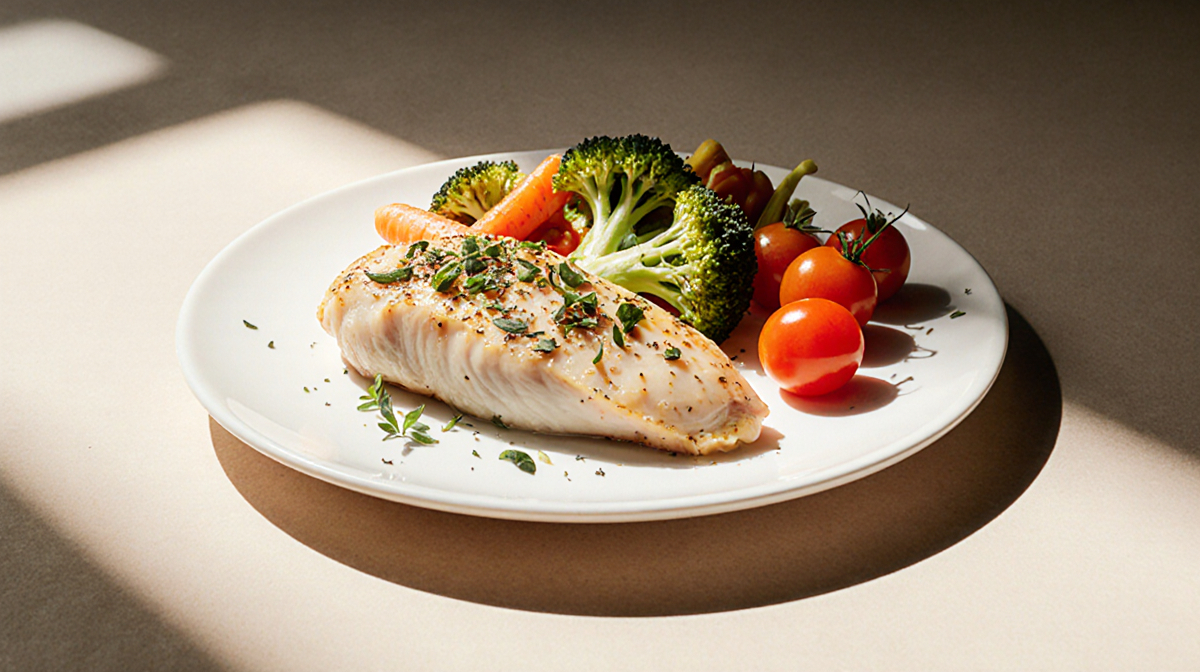
Protein is a vital part of your diet for maintaining and building muscle, regulating weight, energy, hormones and more. Yet it can be hard to know how much you’re actually eating. Marcus L. Bennett Fitness and Nutrition Writer for News Of Los Angeles explains how a simple visual guide can help you hit the daily target and what to do if you’re on a plant-based diet.
At a Glance
| Key Point | Detail |
|---|---|
| Daily Goal | 100 grams of protein per day is a practical target for most adults. |
| How to Measure | The guide shows 100 grams of protein combined on a plate, not per item. |
| Why it matters | Meeting this target supports muscle health, immune function and overall wellbeing. |
Why Protein Matters
While 0.36 grams per pound (or 0.8 grams per kilogram) of body weight is the guideline for adults, many people underestimate their intake. For example, a 200-pound person needs about 73 grams daily, while a 115-pound individual needs roughly 43 grams. These numbers come from the USDA’s dietary intake calculator, which also adjusts for activity level and BMI.
The Balance
- Too little protein can lead to brittle hair, anemia, and muscle loss.
- Too much can be harmful, just like any other nutrient.
Visual Guide to 100 Grams
The guide is broken into four categories-omnivores, carnivores, vegetarians, and vegans-each showing a realistic meal plan that totals 100 grams of protein combined.
Omnivores
| Food | Quantity | Protein (g) |
|---|---|---|
| Eggs | 2 | 12 |
| Snack cheese | 1 | 5 |
| Greek yogurt | 1 | 15 |
| Beef sausage | 1 | 14 |
| Tuna (canned) | 1 can | 27 |
| Rolled oats | ½ cup | 5 |
| Deli ham | 2 oz | 10 |
| Mixed nuts | 1 oz | 5 |
| Rye bread | 2 slices | 10 |
| Total | 103 |
Carnivores
| Food | Quantity | Protein (g) |
|---|---|---|
| Eggs | 4 | 24 |
| Tuna (canned) | 1 can | 27 |
| Beef meatballs | 3 | 15 |
| Turkey bacon | 2 oz | 10 |
| Turkey breast | 3 oz | 24 |
| Total | 100 |
Vegetarians
| Food | Quantity | Protein (g) |
|---|---|---|
| Eggs | 4 | 24 |
| Rolled oats | ½ cup | 5 |
| Snack cheese | 2 | 10 |
| Protein granola | ¼ cup | 10 |
| Greek yogurt | 1 | 15 |
| Hemp seeds | 1 tbsp | 4 |
| Peanut butter | 2 tbsp | 7 |
| Plant-based protein powder | 1 scoop | 20 |
| Total | 99 |
Vegans
| Food | Quantity | Protein (g) |
|---|---|---|
| Nuts | 1 oz | 5 |
| Rolled oats | ½ cup | 5 |
| Protein granola bar | 1 | 8 |
| Rye bread | 2 slices | 10 |
| Protein granola | ¼ cup | 10 |
| Hemp seeds | 1 tbsp | 4 |
| Chia seeds | 2 tbsp | 10 |
| Peanut butter | 2 tbsp | 7 |
| Plant-based protein powder | 1 scoop | 20 |
| Total | 79 |
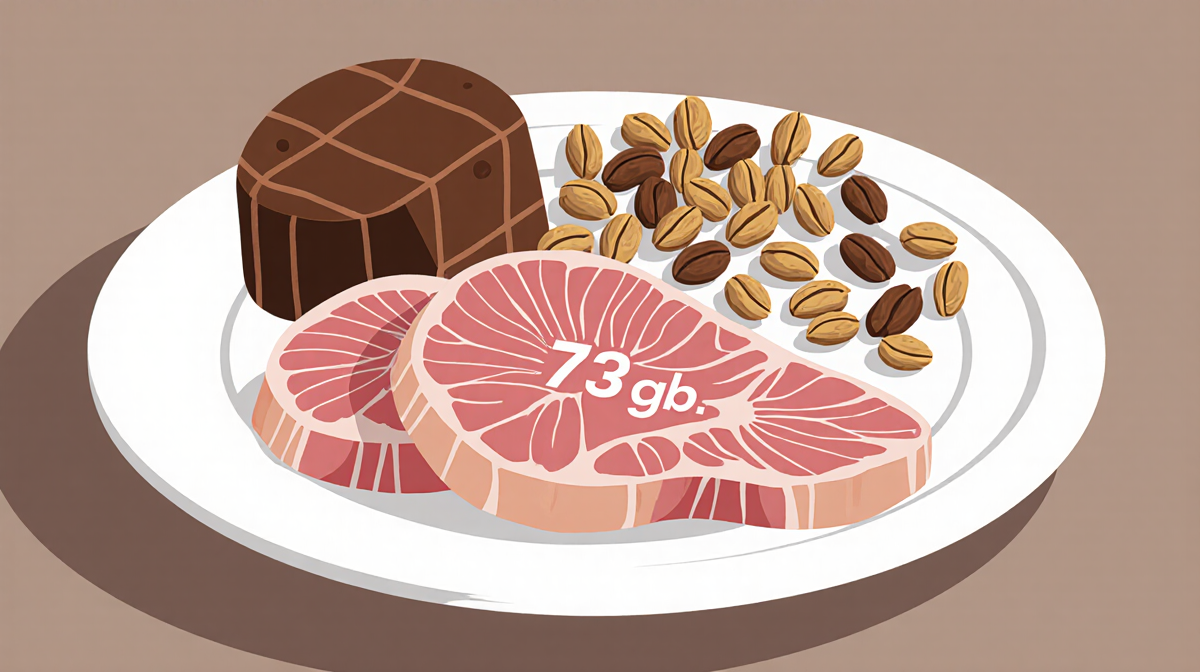
Doubling the nuts, chia, and hemp seeds raises the total to 93 grams. Adding a full cup of oats or an extra tablespoon of peanut butter can bring it closer to 100 grams. The guide explicitly excludes high-protein vegan substitutes like tofu, tempeh, or plant-based meats such as the Impossible Burger.
Protein Deficiency Symptoms
When protein is scarce, the body prioritises essential functions, leaving visible signs:
- Brittle hair and nails
- Anemia: fatigue, weakness, shortness of breath
- Weakened immune system, leading to frequent infections
- Mood swings
- Muscle loss or weakness
- Swelling
- Weight fluctuations
Recognising these symptoms early can prompt dietary adjustments before more serious health issues arise.
How to Meet Protein Goals
- Choose diverse sources: lean meats, fish, eggs, poultry, nuts, seeds, Greek yogurt, and cottage cheese are all excellent options.
- Use supplements sparingly: protein powders can fill gaps but should not replace whole foods.
- Plan high-protein snacks: nuts, boiled eggs, cheese, or a protein bar can keep you on track when meals are rushed.
- Avoid over-reliance on processed items: many protein-rich snacks contain added sugars or unhealthy fats.
- Adjust for lifestyle: if you have a busy schedule, prep meals in advance or keep protein-dense options on hand.
## Key Takeaways
- Meeting 100 grams of protein a day is a realistic and health-supporting goal for most adults.
- Visual guides help translate abstract numbers into concrete meal plans.
- Plant-based diets can achieve this target with careful planning and the right mix of foods.
- Watch for deficiency symptoms and adjust your intake accordingly.
- Balance protein sources with overall nutrition to support long-term wellbeing.
Remember: your body’s needs vary, so use these guidelines as a starting point and tailor them to your lifestyle and activity level.
About the Author
Marcus L. Bennett Fitness and Nutrition Writer for News Of Los Angeles has reviewed fitness gadgets, activewear, and debunked wellness myths. In free time, they enjoy cooking, scenic runs, and weight-room sessions.