In a twist that turned a silent investigation into a breakthrough, a Providence tipster known only as ”John” became the linchpin in identifying the man who fired more than 40 rounds inside a Brown University engineering building, killing two students.
The Investigation Begins
The Brown University shooting, which occurred on a Saturday, left the Providence community in shock and the police without a clear suspect for nearly a week. The shooter unloaded over 40 rounds inside the engineering building, a crime that had no immediate leads. By the sixth day of the investigation, the city’s police announced that the suspected gunman had died from a self-inflicted gunshot wound. The discovery, however, was not made by routine forensic work but by a single, unexpected source.
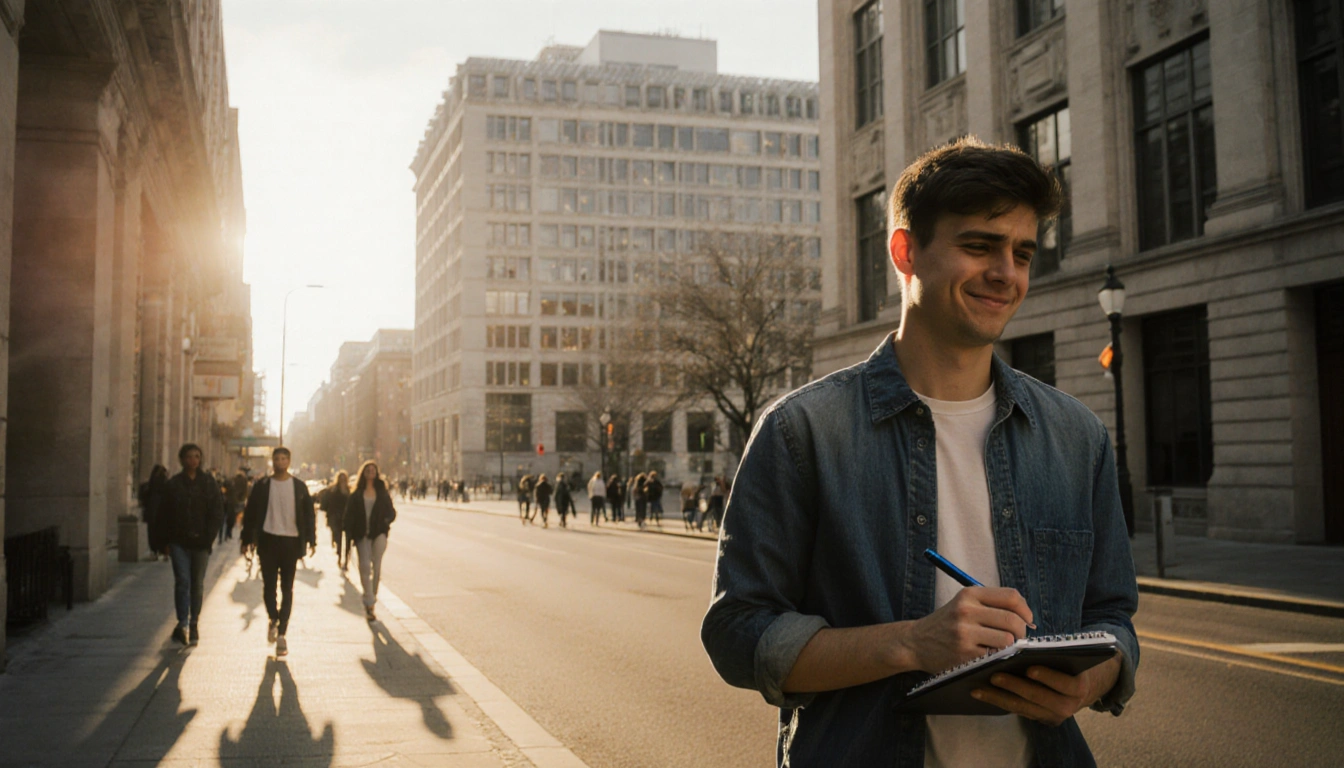
That source was a tipster who had a strange encounter with another man on a sidewalk outside Brown University. The tipster, who the police affidavit refers to as ”John”, was the key figure who supplied the details that linked the suspect to both the Brown shooting and a later incident involving a Massachusetts Institute of Technology professor. John’s information opened a new investigative path that led to the suspect’s identification.
The tipster’s testimony came three days after the shooting and a day after the tip line was created. According to the police affidavit, the tip was learned on December 16, and it was the first time the investigators had connected a vehicle to the possible shooter. The tipster’s observations were crucial for the next steps in the investigation.
The tipster’s encounter with the suspect was not a single event but several meetings that took place before the Saturday attack. John met the suspect, 48-year-old Claudio Manuel Neves Valente, in the bathroom of the engineering building hours before the shooting. He noted that the suspect’s clothing was ”inappropriate and inadequate for the weather.” These details would later help police confirm the identity of the suspect.
The Tipster’s Contributions
After Providence police posted images of a person of interest-later identified as Neves Valente-John began posting on the social media forum Reddit. He recognized the person in the photos and suggested that police look into a ”possibly a rental” grey Nissan. His posts prompted Reddit users to urge him to inform the FBI, and John complied.
The tipster’s information led the police to obtain video footage of a Nissan Sentra sedan with Florida plates. With this new lead, Providence police tapped into a network of more than 70 street cameras operated around the city by surveillance company Flock Safety. The video footage provided the missing link that connected the suspect to the vehicle seen near the engineering building.
John’s testimony also described a ”game of cat and mouse” between him and the suspect outside the building. He reported that the suspect suddenly turned around from the Nissan when John approached. John shouted, ”Your car is back there, why are you circling the block?” The suspect responded, ”I don’t know you from nobody,” and repeatedly asked, ”Why are you harassing me?”.
Despite the tension, John eventually saw Neves Valente approach the Nissan sedan again and decided to walk away. He later wrote on Reddit, ”Respectfully, I have said all I have to say on the matter to the right people.” His calm demeanor contrasted sharply with the violence that had just unfolded.
Vehicle Clues and Surveillance
The connection between the suspect and the grey Nissan was a turning point. Until the tip, police had not linked any vehicle to the possible shooter. Once the vehicle was identified, the police were able to review traffic camera footage from the surrounding area, which showed the suspect’s movements in the days leading up to the attack.
The surveillance footage also confirmed that the suspect had been present in the engineering building’s bathroom hours before the shooting. This corroborated John’s earlier observation about the suspect’s clothing and helped establish a timeline that placed Neves Valente at the scene.
With the vehicle and location data in hand, investigators were able to cross-reference the suspect’s known address and travel patterns. This led to a more focused search of the suspect’s possible whereabouts, ultimately narrowing the field to a single individual.
The culmination of these efforts was the discovery of the suspect’s body, found in a location that matched the surveillance evidence. The police announced that the suspect had died from a self-inflicted gunshot wound, bringing a grim closure to the investigation.
Resolution and Aftermath
The investigation into the Brown University shooting concluded with the suspect’s death, but the story did not end there. Two days later, a Massachusetts Institute of Technology professor was shot and killed in his Brookline home. Police linked the same suspect to that incident as well, creating a broader narrative of violence tied to one individual.
The connection between the two shootings was established through the same chain of evidence that traced the suspect’s movements and vehicle. The police were able to confirm that the suspect had been present in the area of the MIT professor’s home on the day of the shooting.
The dual nature of the crimes-one at an academic institution in Providence and another in Brookline-raised questions about the suspect’s motives and the scope of his actions. The investigation highlighted the importance of rapid information sharing between local and federal agencies.
The MIT Professor Shooting
The MIT professor, whose identity was not disclosed in the article, was shot in his Brookline home on a Monday, two days after the Brown University shooting. The shooting was reported to the police as a homicide, and investigators quickly linked it to the same suspect identified in the Providence case.
The police used the same surveillance footage and vehicle data that had helped identify the Brown shooting suspect to locate the professor’s residence. The evidence confirmed that the suspect had entered the home and carried out the fatal shooting.
The connection between the two incidents underscored the reach of the suspect’s violent actions across state lines. It also demonstrated how a single piece of information-provided by John-could unravel a complex series of crimes.
Reward and Recognition
Following the tip, the FBI offered a $50,000 reward for information that led to the Brown shooting suspect. The article notes that it was unknown whether John would receive the reward, but the FBI’s special agent in charge, Ted Docks, said it was possible.
Ted Docks told reporters, ”It would be logical to think that, absolutely, that individual would be entitled to that.” His statement indicated that the tipster’s contribution was valued by federal investigators.
The tipster’s role was also praised by Rhode Island Attorney General Peter Neronha. He said, ”He blew this case right open,” and added, ”When you crack it, you crack it.” These remarks highlighted the significance of the tipster’s information in solving the case.
Key Takeaways
- A Providence tipster named ”John” provided crucial details that linked Claudio Manuel Neves Valente to the Brown University shooting and the MIT professor’s death. – The tipster’s observations about a grey Nissan and the suspect’s clothing helped police connect the suspect to the crime scenes. – The FBI’s reward offer and the Attorney General’s praise underscored the importance of citizen-provided information in high-profile investigations.
The case serves as a reminder of how a single, well-timed tip can turn the tide of an investigation, bringing closure to victims’ families and the community. The combined efforts of local police, federal agencies, and a vigilant citizen have finally brought an end to a series of tragic events that shocked Providence and Brookline alike.