At a Glance
- Jennifer Rodriguez was sentenced to 5 months in federal prison after threatening flight attendants.
- The incident occurred on April 24, 2024 aboard a JetBlue flight from Tampa to San Juan.
- She pleaded guilty on July 17, 2025 and was officially sentenced on January 20, 2026.
- Why it matters: The case highlights the seriousness of passenger misconduct and the legal consequences of endangering flight crews.
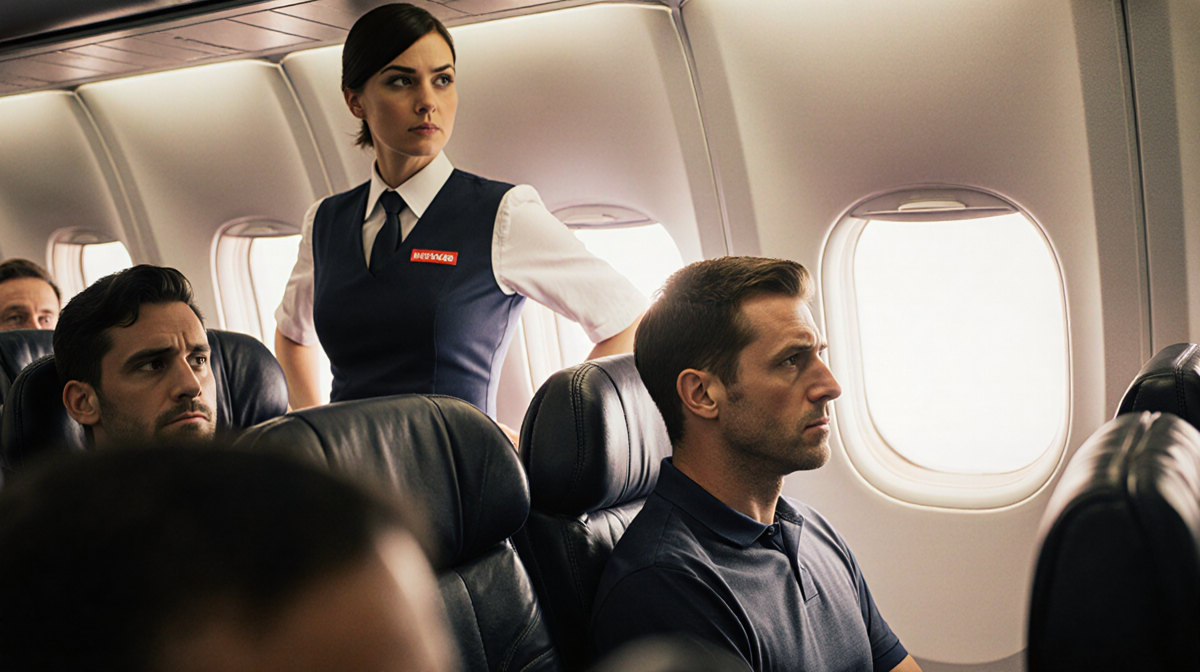
Jennifer Rodriguez, a 37-year-old resident of Puerto Rico, was sentenced to five months in federal prison after she threatened to “beat up” flight attendants on a JetBlue flight headed to Puerto Rico. The confrontation began when a flight attendant asked Rodriguez to end a cellphone call, but she instead escalated the situation by yelling at the crew and issuing violent threats. Her actions forced the pilot to return the aircraft to the gate, and all passengers were required to disembark so that law enforcement could escort her off the plane.
Incident Overview
On April 24, 2024, Rodriguez boarded JetBlue flight 2751 from Tampa International Airport (TPA) to San Juan, Puerto Rico. As the plane pushed back from the gate, a flight attendant asked her to end her cellphone call. Instead of complying, Rodriguez began yelling at the crew and threatened to hit, slap, “beat up,” pull their hair and drag them down the plane’s aisle by their scarves, according to the U.S. Attorney’s Office. She also prevented the flight crew from providing medical assistance to a nearby passenger and from preparing the aircraft for takeoff. The pilot was forced to return the plane to the gate, and all other passengers were required to disembark so that Rodriguez could be escorted by law enforcement.
The incident was captured on the flight’s surveillance footage, which was later reviewed by investigators. The footage showed Rodriguez’s escalating behavior and the crew’s attempts to de-escalate the situation before the plane was forced to return.
Legal Proceedings
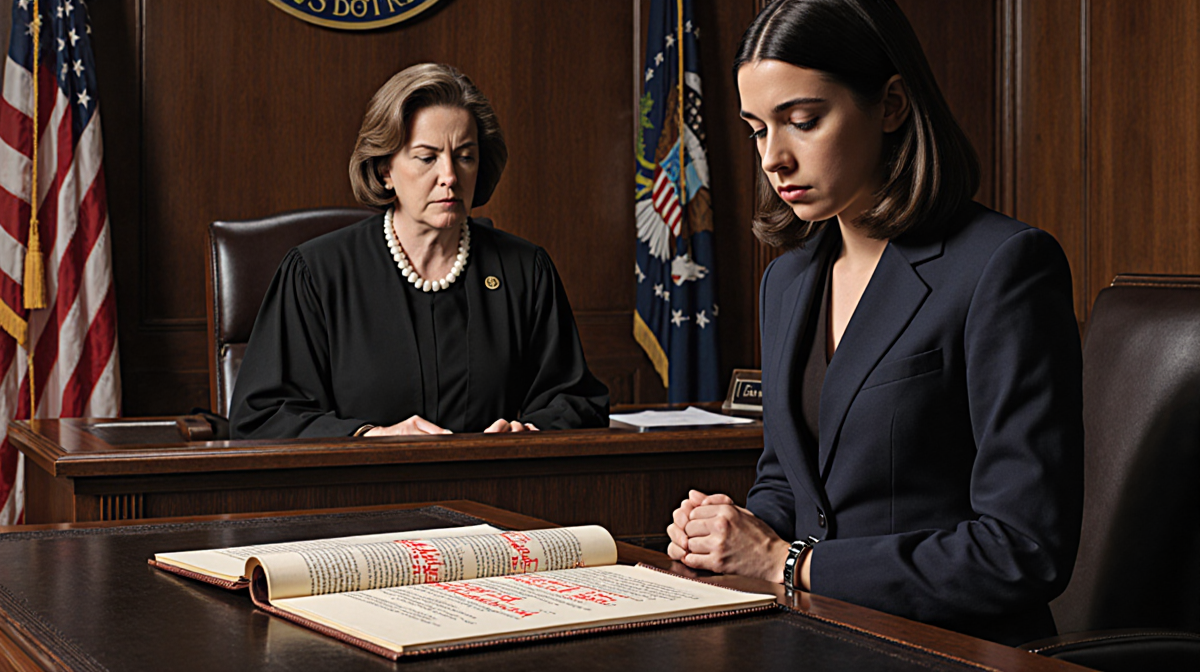
A criminal indictment, obtained by News Of Los Angeles, shows that Rodriguez was formally charged in December 2024 following the April incident. She pleaded guilty to one count of interfering with flight attendants on July 17, 2025. On January 20, 2026, U.S. District Judge Kathryn Kimball Mizelle sentenced her to five months in prison. The judge ordered Rodriguez to surrender to the Bureau of Prisons by 12:00 p.m. on March 13, 2026 and recommended that she serve her sentence at the Federal Correctional Institution in Danbury, Conn. Her attorneys, Matthew Cavender and Douglas Stamm, did not immediately respond to News Of Los Angeles‘s request for comment.
Timeline of Key Events
| Date | Event |
|---|---|
| April 24, 2024 | Incident on JetBlue flight 2751 |
| December 2024 | Formal charges filed |
| July 17, 2025 | Plea entered |
| January 20, 2026 | Sentencing |
| March 13, 2026 | Surrender deadline |
Investigation and Response
The FBI and Tampa International Airport Police investigated the incident. The FBI in Tampa did not immediately respond to News Of Los Angeles‘s request for comment, and a TPA spokesperson did not offer a statement on the matter. JetBlue has not yet responded to News Of Los Angeles‘s request for comment. The investigation focused on the flight’s security footage and the testimony of flight attendants who were present during the confrontation.
Sentencing Details
Judge Mizelle’s ruling emphasized that interference with flight attendants is a serious offense that endangers crew safety. Rodriguez’s five-month sentence reflects the federal government’s stance on passenger conduct that threatens the operation of commercial flights. She is required to report to the Bureau of Prisons by the specified deadline and will be housed at the Federal Correctional Institution in Danbury, Conn.
The sentence also included a period of supervised release after her release from prison, during which Rodriguez must comply with all conditions set by the court. Failure to comply could result in additional penalties.
Legal Context
Interfering with flight attendants is a federal offense under Title 49 of the United States Code. The law prohibits passengers from threatening or physically assaulting crew members. Violations can result in imprisonment and fines. Rodriguez’s case demonstrates how the law is applied to protect flight safety.
Background on Flight Attendant Safety
Flight attendants receive extensive training that covers safety protocols, emergency response, and conflict-resolution techniques. Their primary role is to ensure the safety of passengers and crew during all phases of flight. The incident involving Rodriguez highlighted the importance of this training when a passenger’s behavior escalated into a potentially violent situation. The crew’s adherence to safety procedures prevented a more serious outcome.
Impact on Aviation Safety Protocols
Aviation experts have noted that incidents like Rodriguez’s underscore the need for airlines to maintain robust safety protocols. In response, airlines are reviewing their policies on passenger conduct and the use of in-flight security cameras. The incident has prompted discussions about the effectiveness of current training programs and the need for clearer guidelines when passengers threaten crew members.
Public and Industry Reaction
JetBlue, the airline involved, has not issued a statement regarding the incident. The lack of a public response has prompted discussions among aviation professionals about the importance of clear communication and passenger safety protocols. The incident serves as a reminder that airlines and regulators must remain vigilant against disruptive behavior on flights.
Key Takeaways
- Passenger misconduct can lead to federal prison time.
- Interfering with flight attendants is a prosecutable offense under federal law.
- Law enforcement agencies coordinate closely to handle in-flight disturbances.
- Airlines are urged to maintain robust safety protocols and respond to incidents promptly.
- The case illustrates the legal consequences of threatening flight crew members.
This case underscores the legal consequences of threatening flight crew members and the importance of maintaining order on commercial aircraft.