
> At a Glance
> – Qualcomm unveiled Dragonwing IQ10, a full-stack robotics platform for humanoids
> – Vietnamese startup Vinmotion demoed Motion 2 humanoid punching wood and crouching
> – Partners include Figure, Kuka, Advantech, Booster Robotics
> – Why it matters: Efficient edge chips could move humanoids from labs to homes and factories sooner than expected
Humanoids stepped into the CES spotlight as Qualcomm revealed a complete “brain for robots” stack aimed at everything from tabletop helpers to life-size humanoids.
The Dragonwing IQ10 Platform
Dragonwing IQ10 bundles hardware, software, and AI optimized for low-power, high-performance robotics. Years of automotive-chip lessons-where servers don’t fit and every watt counts-feed directly into the design.
Key specs promoted:
- Advanced perception and motion-planning
- Manipulation and safe human-robot interaction
- Developer tools leveraging Qualcomm’s phone and auto silicon
Partnership Reveal
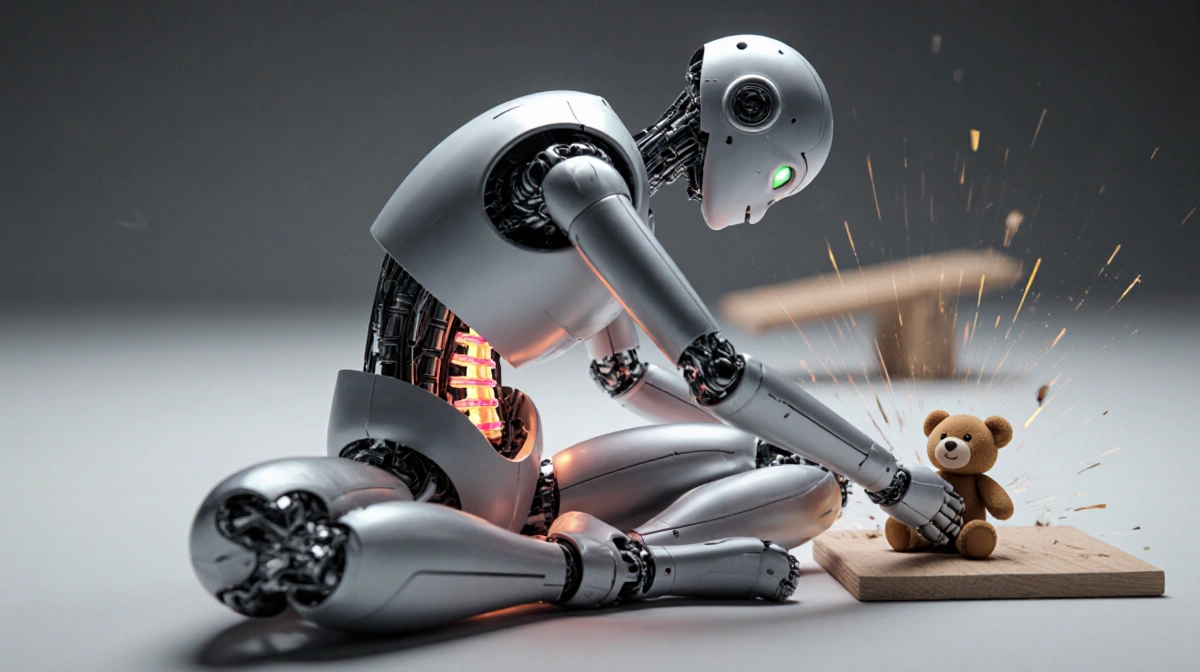
A slick video from Vinmotion showed the Motion 2 robot:
- Smashing through a wood board
- Deep-squatting to retrieve a teddy bear
- Bending its spine with yogi-like flexibility
Qualcomm lists further collaborators:
- Figure (home-helper humanoids)
- Kuka, Advantech, APLUX, Autocore, Booster Robotics, Robotech.ai
Market Timing
Qualcomm’s Cristiano Amon told journalists robotics is “an incredible opportunity,” with enterprise bots arriving before consumer ones. The company’s November Web Summit pitch echoed the same: edge AI chips proven in phones and cars are ready to animate embodied AI without server-farm power draws.
Nakul Duggal, EVP for automotive & robotics, says safety insights from advanced driver-assistance work will guide robot behavior in unpredictable settings.
Key Takeaways
- Dragonwing IQ10 aims to be the off-the-shelf “robot brain,” no server required
- Qualcomm’s phone/auto power-efficiency focus is central to the pitch
- Enterprise humanoids expected to reach factories before household versions
With AI models moving from language-only to vision-language-action, Qualcomm is betting its mobile-grade silicon will let humanoids finally step out of research labs and onto work floors-and eventually into living rooms.