> At a Glance
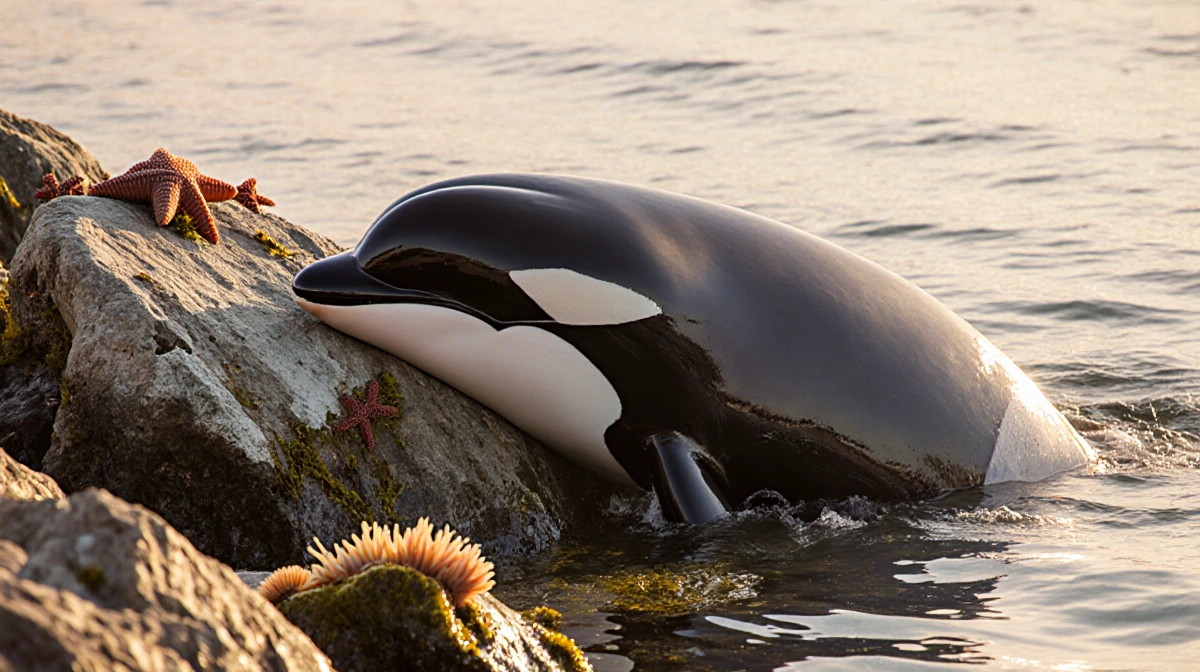
> – A pod of Northern Resident killer whales has been seen rubbing their bellies on coastal rocks near Gibsons, B.C.
> – The behavior, known as “beach rubbing,” is unique to this population worldwide
> – On January 2, local resident Ryan Chilibeck captured the once-in-a-lifetime scene
> – Why it matters: This rare cultural tradition offers a glimpse into orca behavior seen almost nowhere else on Earth
A quiet morning on the Sunshine Coast turned into an unforgettable wildlife spectacle when a pod of killer whales eased right up to the rocky shore and began gliding their bellies across the pebbles, a ritual performed by only a handful of orca communities on the planet.
What Makes These Whales Special
The visiting whales belong to the A5 pod, a tight-knit group made up of three separate families that frequent the northeastern Pacific. Unlike other orca populations, Northern Resident Killer Whales (NRKW) have turned beach rubbing into a cultural trademark.
> Jared Towers, executive director of Bay Cetology, explained:
> > “Amongst all the different killer whale populations around the world, there’s only a couple that have been observed doing this behavior.”
Because the action is so specialized, researchers treat each sighting as valuable data on cultural transmission within the pod.
Beach Rubbing Hotspots Get Protection
Parts of the pebbly coastline favored by the whales are now shielded by federal regulations that bar boats, kayaks, and other intrusions. The safeguards aim to keep the rubbing beaches quiet so the orcas do not abandon them.
**Ryan Chilibeck, who lives in Gibsons across Howe Sound from West Vancouver, recounted his luck on January 6:
> “Luckily enough, I just got to the right place at the right time and got an amazing show.”
He called the experience “once-in-a-lifetime type of stuff” for a self-professed “world’s No. 1 orca fan.”
Why They Do It
While the exact motive remains part of the mystery, observers note several likely benefits:
- Social bonding within the pod
- Exfoliation and grooming
- Enjoyment-the whales’ ultra-sensitive skin may simply like the feel of a smooth stone “massage”
- Cultural tradition passed down through generations
Archival footage from Hanson Island, posted a year ago by Explore Oceans, shows the same behavior, confirming its consistency across seasons.
Key Takeaways
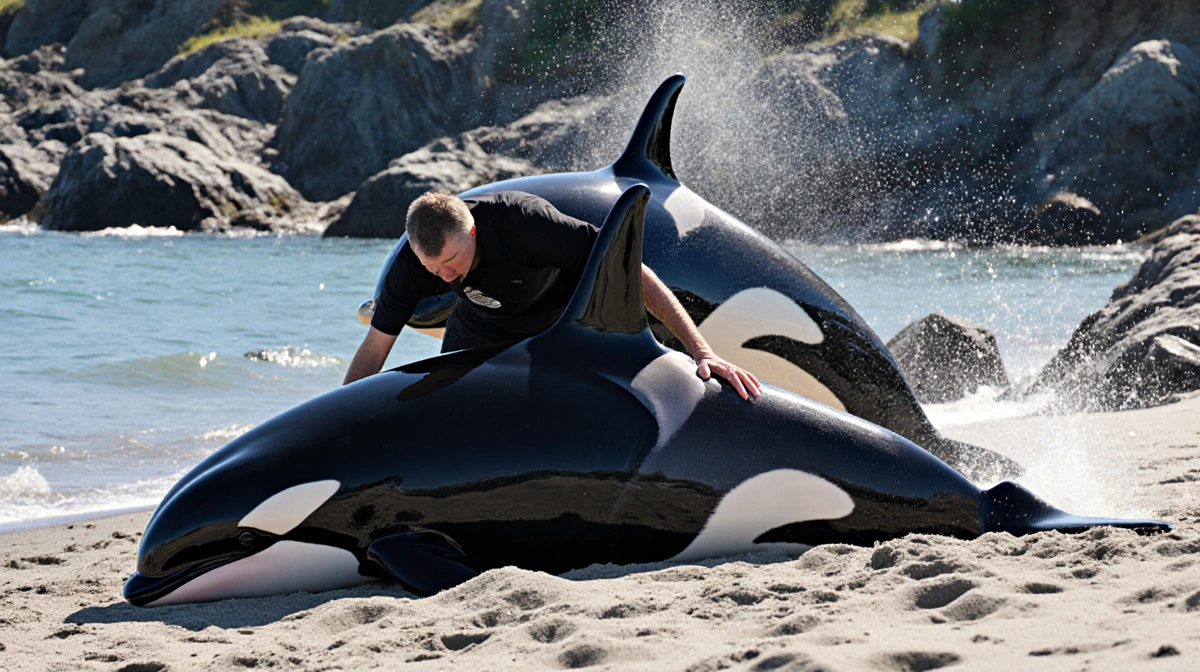
- Only Northern Resident killer whales in the northeastern Pacific regularly beach-rub
- The A5 pod, seen on January 2, is one of the families that keeps the tradition alive
- Protected beaches help ensure the whales can continue the behavior undisturbed
- Multiple factors-social, physical, and cultural-likely drive the rubbing sessions
For residents and visitors along British Columbia’s coast, patience and a bit of timing can still deliver front-row seats to one of nature’s most exclusive performances.