At a Glance
- A powerful X1.9-class solar flare launched an Earth-bound coronal mass ejection on January 18, 2026
- Up to 24 U.S. states could see auroras overnight January 19-20
- G3-G4 geomagnetic storm expected, pushing lights far south
- Why it matters: Photographers and skywatchers get a rare chance to see northern lights without traveling to the Arctic
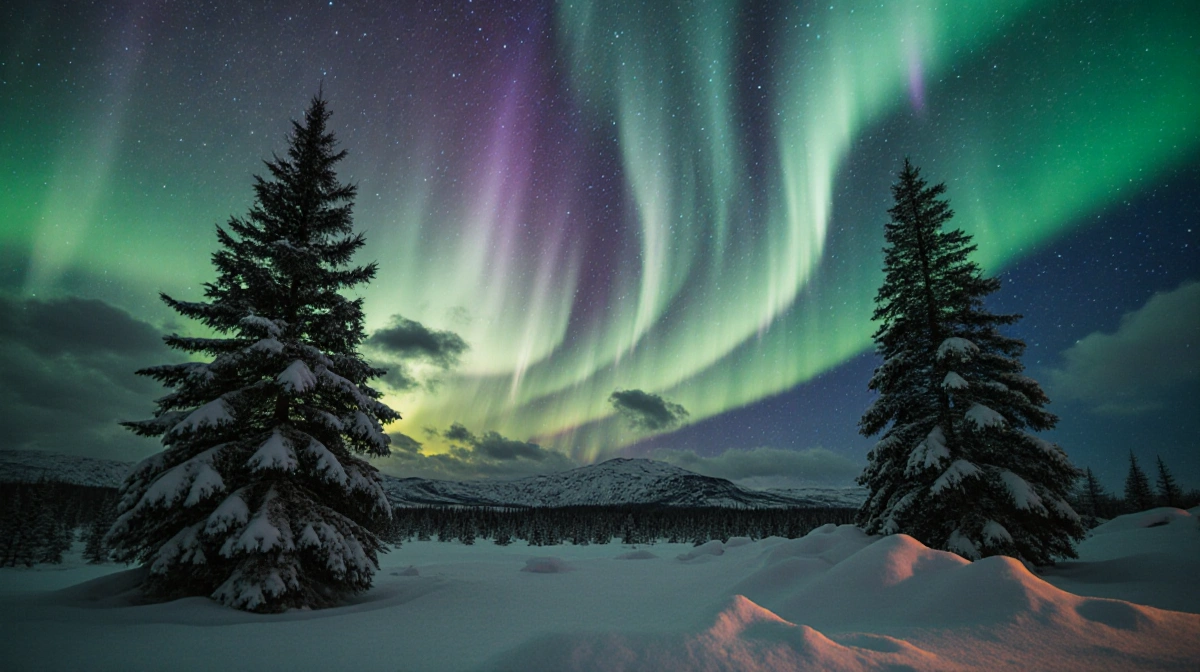
A rare space-weather alignment is set to paint skies across much of the United States with shimmering curtains of green, pink and violet. Forecasters at NOAA’s Space Weather Prediction Center say a severe geomagnetic storm will slam into Earth’s magnetic field late Monday, January 19, potentially making the northern lights visible as far south as Nebraska, Illinois and Pennsylvania.
When to Look
The show begins after local nightfall Monday and peaks in the hours before dawn Tuesday, January 20.
- Impact window: roughly 10 p.m. EST Monday to 4 a.m. EST Tuesday
- Storm rating: G3 (strong) with a realistic shot at G4 (severe)
- Trigger: full-halo coronal mass ejection released by Sunday’s X1.9 solar flare
NOAA’s 30-minute aurora forecast will update in real time; when the Bz component of the interplanetary magnetic field swings strongly south-ideally −5 nanoteslas or steeper-auroras can ignite almost instantly.
Where to Watch
Clear, dark skies are the critical variable. The new moon on January 18 means zero moonlight, giving faint colors their best chance to shine.
| Tier | States |
|---|---|
| Tier 1 (Best Odds) | Alaska, northern Washington, Idaho, Montana, Wyoming, North & South Dakota, Minnesota, Wisconsin, Michigan’s Upper Peninsula, northern New York, Maine |
| Tier 2 (Possible if G3+) | Oregon, central Nebraska, Iowa, northern Illinois, Indiana, Ohio, Pennsylvania, Massachusetts, Connecticut, Rhode Island, Vermont, New Hampshire |
City dwellers should drive at least 30 miles from light domes and face the northern horizon; auroras often appear as a low, pale arc that can erupt into vertical rays within minutes.
How to Photograph the Lights
Modern phones handle auroras better than most people expect.
- Switch to Night Mode or manual exposure
- Brace the phone against a fence or bring a pocket tripod
- Point north, include a foreground object for scale
Serious shooters with DSLRs or mirrorless cameras should:
- Use a sturdy tripod and wide-angle lens (14-24 mm ideal)
- Settings starting point: ISO 1600, f/2.8, 15-second exposure
- Shoot RAW for flexible color correction
- Dress in layers; January nights can drop below zero across the northern tier
Quick Reference Checklist
- Monitor NOAA 30-minute forecast or apps Aurora Now, My Aurora Forecast, SpaceWeatherLive
- Kp index target: 6 or higher for mid-latitude sightings
- Bz southward: the longer it stays negative, the better
- Weather: any clouds end the game; check local radar before driving
- Battery care: lithium packs drain fast in sub-freezing air-keep spares warm
Skywatchers who miss this event will likely wait months for the next comparable shot; geomagnetic storms of this caliber occur only a handful of times each solar cycle.