> At a Glance
> – Razer demoed Project Motoko over-ear headphones with dual 4K cameras at CES 2026
> – 36-hour battery life with AI services active, far exceeding smart glasses
> – Headphones aim to be AI-agnostic and competitively priced around $300
> – Why it matters: Camera-equipped headphones could make AI wearables more mainstream than glasses
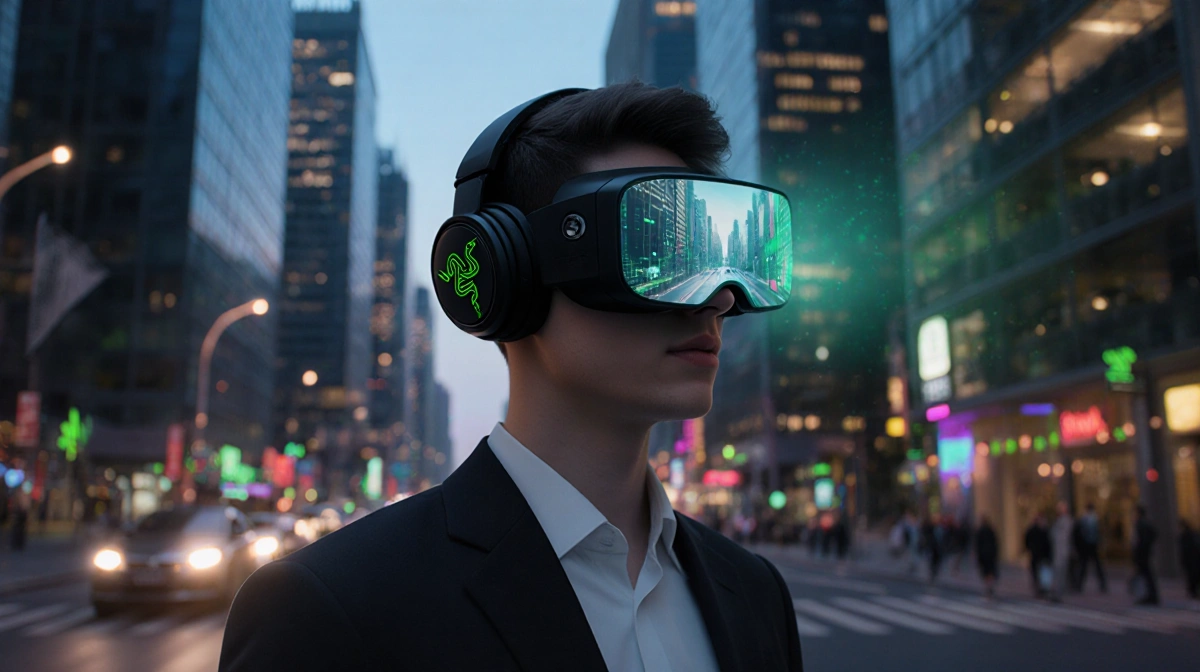
Razer’s latest CES experiment swaps smart-glass cameras for over-ear cans. Project Motoko hides a 4K Sony sensor in each cup, promising all-day AI assistance without frames on your face.
What Project Motoko Brings
Each ear cup conceals a 12 MP 4K Sony camera and a tiny recording LED. A Qualcomm Snapdragon chip-final model still undecided-powers on-device processing.
Battery life clocks in at 36 hours with AI features running. That’s roughly triple what most camera glasses manage.
- No eyewear required
- Dual mics for voice queries
- LED privacy indicator
How It Works
During the demo, Marcus L. Bennett asked questions aloud; answers played through a nearby speaker while a laptop showed the AI read-out. Audio quality wasn’t tested-the focus was purely on vision-based queries.
| Feature | Project Motoko | Meta Ray-Ban |
|---|---|---|
| Cameras | Dual 4K | Single 12 MP |
| Battery | 36 h | ~6 h |
| Price target | ~$300 | $299+ |
| AI lock-in | None | Meta only |
Razer reps say the headset will ship “at a point,” priced to match smart glasses. A PC client or mobile app will handle connections, and the system is being built to accept any AI backend.
Key Takeaways

- Headphones with hidden cameras could outsell smart glasses simply because more people already wear headphones
- 36-hour runtime removes daily-charge anxiety
- AI-agnostic design avoids ecosystem lock-in
If Qualcomm’s reference designs keep spreading, camera-laden headphones-and maybe earbuds-could land sooner than you think.