
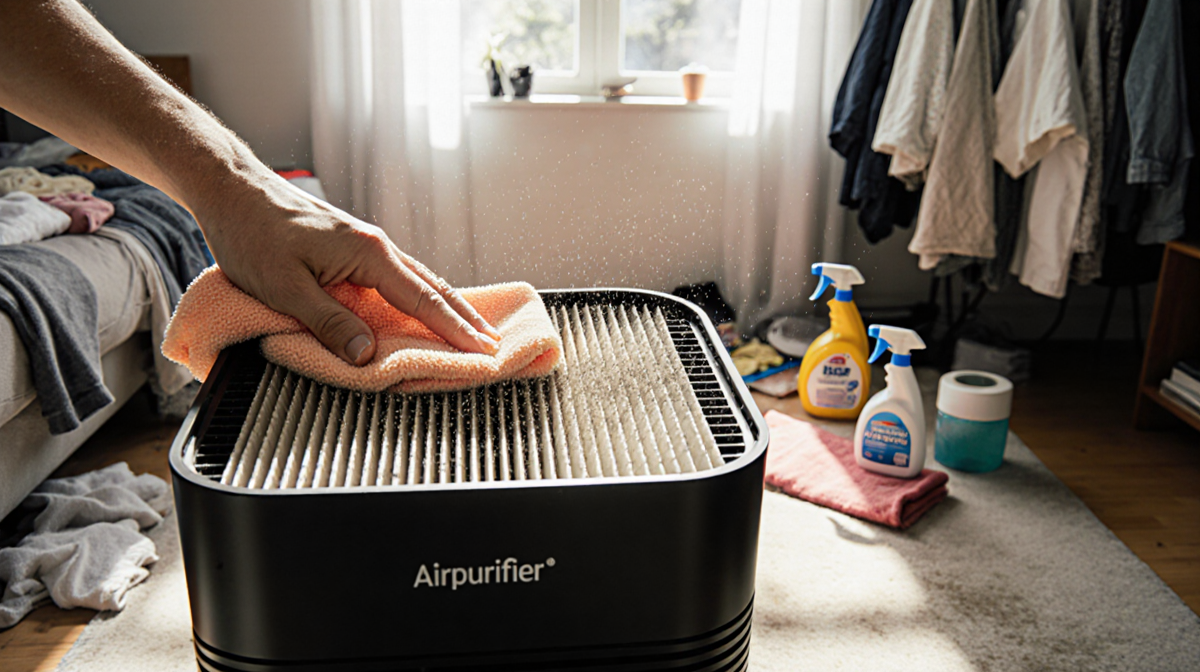
At a Glance
- A dirty filter can release pollutants back into your home.
- HEPA filters remove 99.97% of particles 0.3 µm and larger.
- Most manufacturers recommend changing filters every 3-6 months.
- Why it matters: Improper filter maintenance can worsen allergies, increase energy use, and shorten your purifier’s life.
Air purifiers are a common household tool for improving indoor air quality, but many people miss a critical step: replacing the filter. Even if you turn the unit on every time you feel allergies or smoke, a clogged filter can actually make the air worse.
The Health Risks of a Dirty Filter
An air purifier filter’s job is to trap pollutants before they circulate. When the filter is not replaced regularly, the collected particles can build up and clog the filter. As Dr. Karyi Coyle, a pulmonologist and assistant professor at New York Medical College, explains, “If the filter is not replaced regularly, the collected pollutants can build up and clog the filter. This leaves more pollutants in the air, and the dirty filter can release contaminants back into your home, making the air more polluted than if you didn’t use an air purifier at all.”
A clogged filter also reduces airflow and can become a breeding ground for mold. Dr. Lyndsey Darrow, an epidemiologist at the University of Nevada, Reno, warns that a dirty filter can cause respiratory, cardiovascular, or allergy health effects. “A dirty air purifier filter is also more susceptible to mold growth,” she says.
When pollutants are released back into the air, the purifier essentially reverses its purpose, pushing allergens, viruses, bacteria, pollen, and mold spores back into the environment you breathe.
Energy and Cost Consequences
Beyond health, a clogged filter forces the motor to work harder to push air through the blockage. Dr. Darrow notes that this increased energy demand raises usage and costs. Over time, the extra strain can wear out the motor or fan, leading to repairs or replacement that are far more expensive than simply changing the filter.
Choosing the Right Filter
HEPA vs. HEPA-Like
Pulmonary specialists consider the HEPA filter the gold standard. “This is because it can remove the majority of air contaminants down to the microscopic level,” says Dr. Coyle. A true HEPA filter removes at least 99.97% of airborne particles that measure 0.3 µm.
However, many products advertise “HEPA-like” filters that do not meet this standard. To be sure you’re getting a genuine HEPA filter, check the certification.
Activated Carbon for Gases and Odors
Chemical fumes, cigarette smoke, and volatile organic compounds (VOCs) are not captured by HEPA alone. An activated carbon filter is recommended for these pollutants. The Environmental Protection Agency advises using a thick activated carbon filter for VOCs emitted by paint, cleaning supplies, and furniture.
Pre-Filters
A pre-filter removes larger particles such as lint, hair, and dust clumps, protecting the HEPA filter and extending its life. Dr. Coyle describes it as another layer of respiratory protection.
Ionizers
Some units are marketed as ionizers, claiming to charge particles so they fall out of the air. Dr. Darrow cautions that ionizers can produce ozone, a respiratory irritant, making HEPA and activated carbon filters a safer choice.
How Often Should You Replace the Filter?
There is no one-size-fits-all rule. Manufacturers typically provide a recommended schedule, but usage and air quality also matter. Dr. Darrow says:
“For example, if the manufacturer-recommended replacement frequency for a HEPA filter is every 6 months, it may need to be changed more frequently if used during wildfire events or in homes with more allergens like mold or pet dander.”
A general guideline from Dr. Coyle:
| Filter Type | Replacement Interval |
|---|---|
| Main HEPA | Every 6-12 months |
| Carbon | Every 3-6 months, or when odors return |
| Pre-filter | Every 1-3 months |
If you notice reduced airflow, increased allergies, more dust, or lingering odors, it’s time to change the filter.
Can You Wash a Filter?
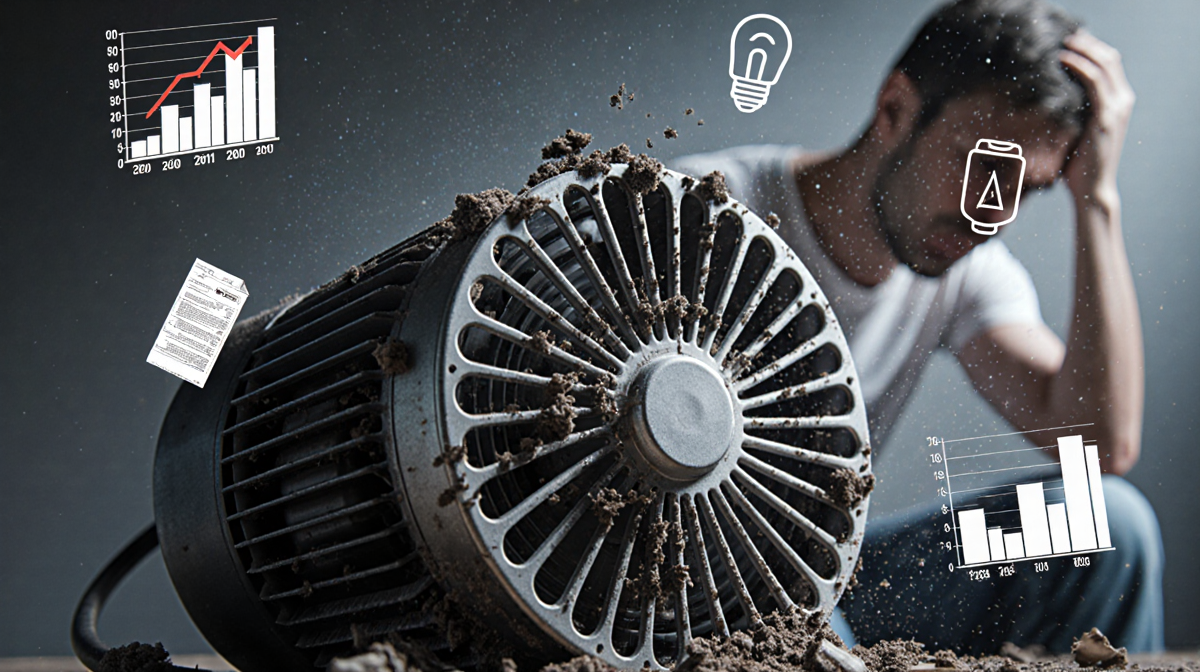
Most HEPA and carbon filters are disposable. Washing can damage the fine mesh, reducing its ability to capture bacteria and allergens. If the filter is not completely dry before reinstalling, it can become a mold breeding ground. Dr. Coyle stresses the importance of checking the manufacturer’s manual to confirm whether a specific filter is washable.
Bottom Line
Before turning on your air purifier, consult the manufacturer’s instructions for the correct filter type and replacement schedule. If you have pets, live in a high-pollution area, or experience wildfires, you’ll likely need to replace the filter more often. Watch for signs of reduced performance, which may indicate the filter needs changing.
Your air purifier’s role is to clean the air you breathe. Failing to replace its filter can have the opposite effect. While buying a new filter every few months may seem like an added expense, clean air and better health are priceless.