At a Glance
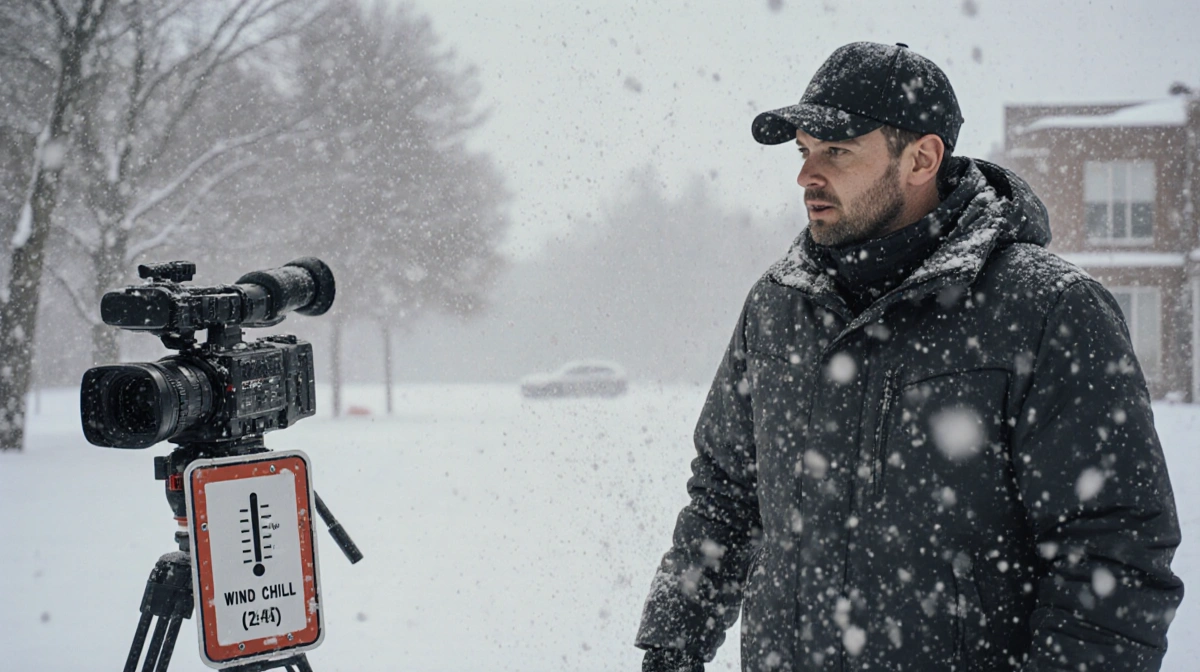
- Fox Weather’s Robert Ray fought 50 mph winds while covering lake-effect snow in Benton Harbor, Mich., on Jan. 14
- Visibility dropped to near zero as sideways snow and sub-zero wind chill created “whiteout” conditions
- A Milwaukee meteorologist called the live shot “one of the wildest” he had ever seen
- Why it matters: The segment shows how extreme lake-effect snow can rival tropical storms in danger and intensity
A live report from southwestern Michigan turned into a fight for footing when Robert Ray, Fox Weather correspondent, confronted a ferocious lake-effect snowband that locals compared to a low-grade hurricane.
Ray was positioned in Benton Harbor on the evening of Tuesday, Jan. 14, as a narrow but intense stream of snow moved off Lake Michigan. Within seconds of going live, wind gusts measured between 46 and 50 mph began ripping through the shot, sending snow sideways and forcing Ray to brace himself against the wind.
“My goodness, is it roaring right now!” he shouted while steadying his microphone. “It feels like a tropical storm, but then you add freezing cold temperatures. With the winds and the snow, it makes it more uncomfortable than when you’re in those tropical scenarios.”
Scene Described as “Unreal” by Veteran Meteorologist
Tom Wachs, chief meteorologist at Milwaukee’s FOX affiliate WITI, shared the clip on social media and wrote, “This is unreal,” later adding it was “one of the wildest live shots I’ve seen in a long time.”
The footage, also posted on Fox Weather’s YouTube channel, shows Ray struggling to stay upright as snow pellets pelt his face. At one point he turns away from the camera, shielding his eyes while explaining that the wind-driven snow had dropped visibility to almost zero and made local roads “near impossible” to navigate.
Conditions Compared to Tropical Cyclones
Ray, who has covered severe weather across the country, repeatedly compared the experience to covering tropical systems.
“This is really kicking up!” he said as a fresh gust blasted through. “The conditions are indicative of what a tropical storm or even a low-grade hurricane feels like.”
The correspondent later told viewers that the combination of wind and sub-freezing air created a hazard more insidious than rain-based storms.
“You’re essentially going into Mother Nature’s ring, and you’re taking punches,” he said, describing how the snow felt on exposed skin. “It has a different kind of fury, especially at night.”
Wind Chill Near Zero Raises Frostbite Risk
Thermometers hovered just above 10°F, but the punishing winds dropped the wind chill to around 0°F, putting bare skin at risk of frostbite within minutes.
“The dangers are pretty massive at this point,” Ray warned. “As far as skin, as far as trees, anything can go wrong.”
Lake-effect snow develops when cold Arctic air sweeps across the relatively warmer waters of the Great Lakes. The temperature contrast adds moisture and instability to the air, producing narrow bands of intense snow that can drop several inches per hour while areas only a few miles away see clear skies.
Forecast Called for Additional Snow into Thursday
The National Weather Service warned that the same snowband would remain in place through Wednesday night, Jan. 15, before shifting south. Some communities east of Buffalo, N.Y., were told to expect another 5 inches of accumulation, according to Fox Weather projections.
Ray signed off by urging residents to avoid travel unless absolutely necessary, noting that even veteran storm trackers were finding the conditions tough to handle.
“When you combine the wind, the snow, and the darkness, it becomes a full-blown winter storm in miniature,” he said. “Respect the lake. It’s showing its power tonight.”
Key Takeaways
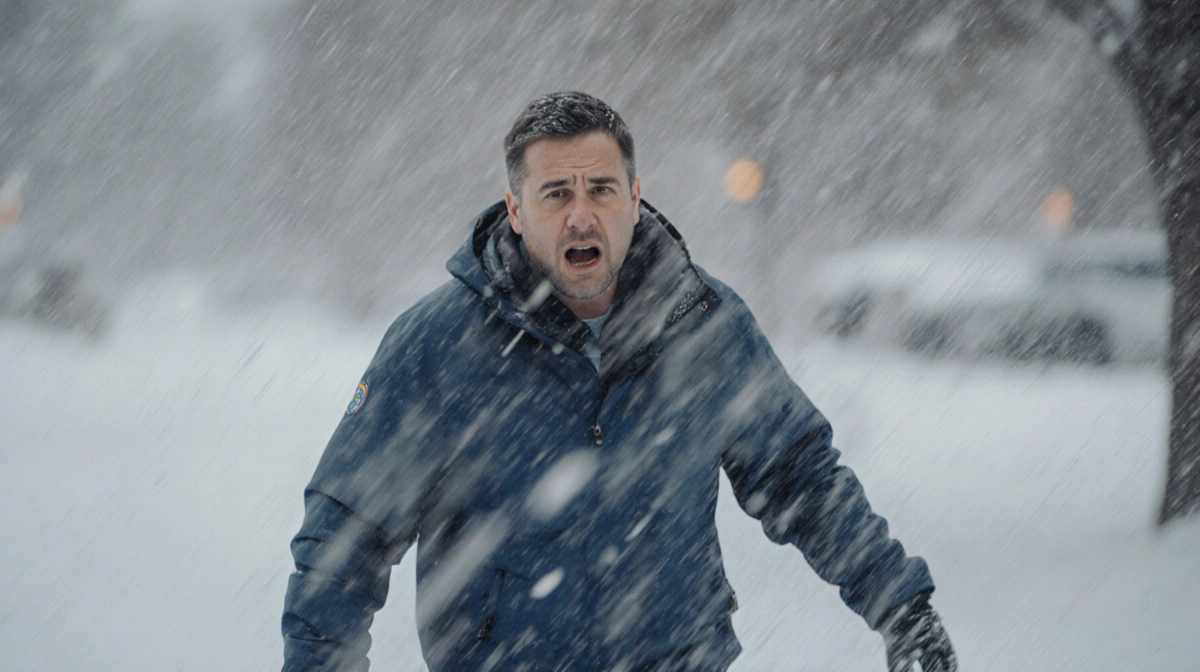
- Lake-effect snow can create localized winds topping 50 mph, rivaling coastal storms
- Wind chill near 0°F can cause frostbite in under 30 minutes
- Visibility can fall to near zero within the narrow snowband, making driving treacherous
- Forecasters expected the band to persist into Jan. 15, adding fresh accumulation downwind of Lake Erie and Lake Ontario