Intro
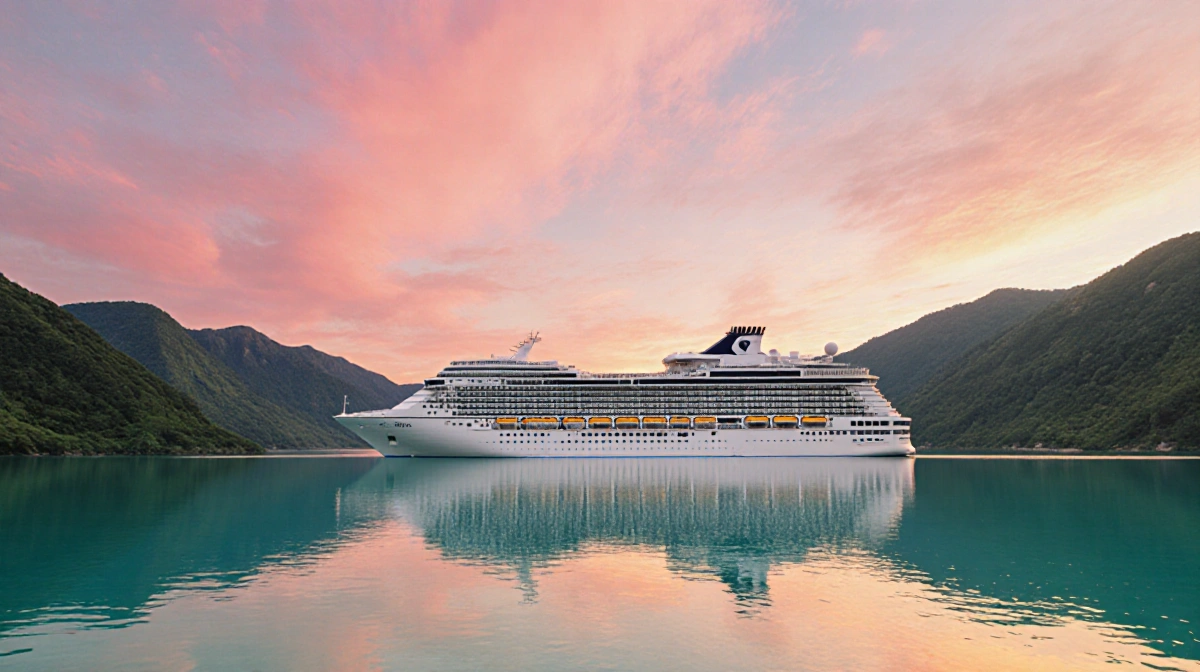
A council in Amsterdam is pushing to ban all ocean cruise ships by 2035. The move aims to reduce pollution and curb the city’s tourist overload. Officials say the ban could cost the city $54 million in lost revenue over 30 years.
At a Glance
- Amsterdam council plans to ban all ocean cruise ships by 2035.
- The ban could cost the city $54 million in revenue over 30 years.
- Reasons cited include high pollution, emissions, and tourism overload.
Why it matters: The decision would reshape Amsterdam’s waterfront economy and environmental footprint.
Why the Ban Is on the Table
The council’s proposal stems from concerns about the city’s sustainability and liveability. Deputy mayor and alderman Hester Van Buren said, “We want to prioritize sustainability and liveability,” adding that the ordinance would be explored in the coming months.
She added that the ban would help protect the IJ River area from the heavy footprint of cruise ships. The ships’ emissions-carbon dioxide, particulate matter, and nitrogen-are a major source of pollution, according to Van Buren.
The move also addresses a long-standing issue: cruise ships block plans for a new bridge over the IJ River. The bridge is a key infrastructure project that would improve traffic flow.
Economic Impact
A study on relocating the cruise terminal estimated the cost at just under $100 million. Van Buren said the city would struggle to recover that investment.
If the ban takes effect, the city could lose $54 million in revenue over the next 30 years. The alderman suggested the shortfall might be offset by improving the industrial area of Veemkade and repurposing the mooring at the Coenhaven port.
The council believes the financial loss is outweighed by the environmental and quality-of-life gains for residents and visitors.
Political Process
The proposal was introduced after the D66 political party urged the city council to relocate the terminal and limit ships per year in 2023. The motion passed and cut sea vessel arrivals from 190 to no more than 100 annually.
Under current rules, river cruises are still permitted near Veemkade. The city decided not to vote on moving the terminal further west, opting instead to end sea cruises altogether.
Rob Hofland, a local party leader, praised the initiative. “Years after our proposal, we are finally going to free Amsterdam from these floating apartment blocks. They pollute our air, are bad for the climate, bring hordes of tourists into our city, and block a bridge over the IJ,” he said.
Hofland added, “The alderman has shown that relocating the cruise ship terminal within Amsterdam is not possible. That leaves only one option: out of the city. In our view, the right choice.”
Timeline of Key Events
| Year | Action |
|---|---|
| 2023 | Motion passed; arrivals cut from 190 to 100 per year |
| 2025 | Proposal to ban sea cruises presented to council |
| 2035 | Target year for full ban to take effect |
The proposal will be handed to the next government coalition. New leaders will take office after local elections in mid-March.
Current Status of River Cruises
River cruises remain allowed under existing regulations. The council’s focus is on ocean cruises, which dock at the city’s main terminal.
The ban would not affect smaller river vessels, which continue to serve tourists and commuters.
Potential Benefits
- Reduction in air and water pollution.
- Decreased tourist congestion in key city districts.
- Progress toward the IJ River bridge project.
- Long-term improvement in city livability.
Challenges and Counterarguments
Opponents argue that the ban would hurt local businesses that rely on cruise-ship traffic. They also question whether the projected revenue loss is accurate.
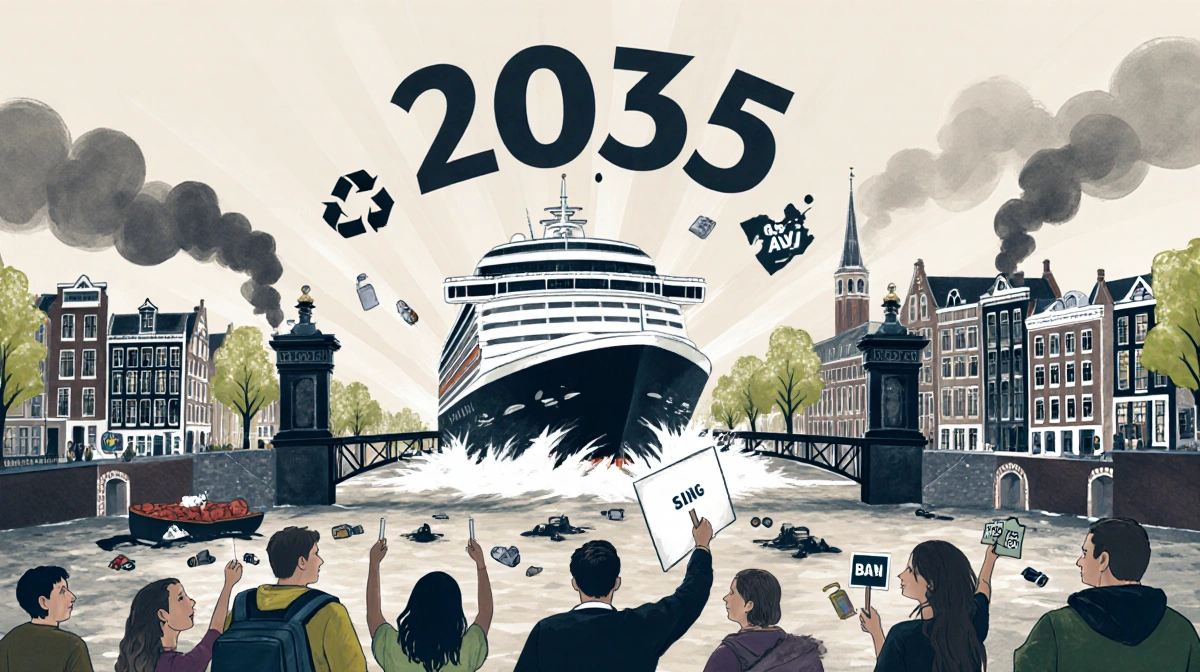
Supporters counter that the environmental costs outweigh the economic gains and that alternative uses for the terminal could be more sustainable.
Final Thoughts
Amsterdam’s decision to potentially ban ocean cruise ships reflects a broader trend of European cities re-examining large-scale tourism. The city’s leaders are weighing the short-term financial impact against long-term environmental and quality-of-life benefits.
The outcome will depend on the next coalition’s priorities and the city’s ability to adapt its waterfront infrastructure.
Key Takeaways
- Amsterdam aims to ban ocean cruise ships by 2035.
- The ban could cost $54 million in revenue over 30 years.
- The decision is driven by pollution concerns, tourism overload, and infrastructure projects.
- The proposal will be reviewed by new city leaders after mid-March elections.
The debate continues as the city balances economic interests with sustainability goals.