
At a Glance
- The top nutrients for clear vision include Vitamin A, Vitamin C, Omega-3s, Vitamin E, Zinc, Lutein & Zeaxanthin, and B-vitamins.
- Most of these can be found in everyday foods or affordable supplements under $10.
- Regular eye exams and protective habits are still essential.
- Why it matters: Keeping your eyes nourished can slow age-related decline and protect against cataracts.
In a comprehensive look at eye-care nutrition, experts explain how specific vitamins and minerals help maintain vision and ward off common conditions. The article also offers practical tips for choosing supplements and protecting eyes from everyday hazards.
Vitamin A
Vitamin A supports the retina’s ability to process light. It also helps keep the surface of the eye moist, reducing dry-eye symptoms. Foods high in Vitamin A include salmon, broccoli, eggs, carrots, and fortified cereals. A supplement is an option if dietary intake is low, but it should not replace regular eye exams.
Vitamin C
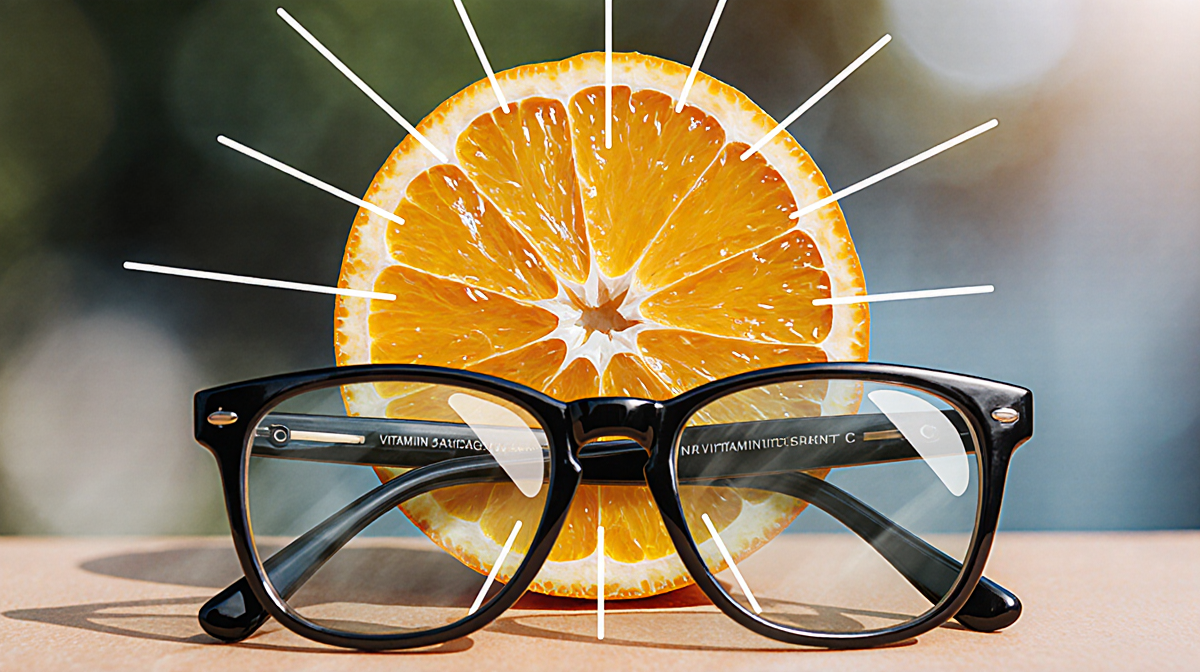
Vitamin C acts like a sunscreen for the eyes. It protects the ocular tissues from ultraviolet damage and may lower the risk of cataracts. Citrus fruits, bell peppers, and tomatoes are rich sources. While a study showed benefits for those deficient in Vitamin C, more research is needed to confirm its preventive role in cataract development.
Omega-3 Fatty Acids
Omega-3s are recommended by optometrists to slow age-related macular degeneration and dry-eye disease. Fatty fish such as tuna, salmon, mackerel, and herring provide the best dietary sources. Nuts and seeds like chia, flaxseed, and walnuts also contain omega-3s. If your diet lacks these foods, a supplement can help maintain adequate levels.
Vitamin E
Vitamin E protects retinal cells from free-radical damage. It works best when paired with Vitamin C, which regenerates its antioxidant capacity. The American Optometric Association suggests a daily dose of 400 IU. Sunflower seeds, almonds, and avocados are good dietary sources.
Zinc
Zinc helps Vitamin A create melanin, a pigment that shields the eye. It may also protect against macular degeneration. The recommended daily intake is 40-80 mg. Common zinc-rich foods include meat, shellfish, chickpeas, pumpkin seeds, and cheese. Most multivitamins contain zinc.
Lutein & Zeaxanthin
These carotenoids absorb harmful blue light and guard the retina. They are found in bright-colored vegetables such as kale, spinach, broccoli, and orange-peel fruits. The American Optometric Association recommends 10 mg of lutein and 2 mg of zeaxanthin per day. Supplements are available, but the price can be higher than buying fresh produce.
B-Vitamin Cluster
B-vitamins, especially B12 and B6, support optic-nerve health and can reduce the risk of age-related macular degeneration. A deficiency may lead to blurry vision or optic-nerve damage. Foods rich in B-vitamins include leafy greens, salmon, and fortified cereals.
Food Sources vs. Supplements
| Nutrient | Food Sources | Typical Supplement Price |
|---|---|---|
| Vitamin A | Salmon, broccoli, eggs, carrots | <$10 |
| Vitamin C | Citrus, bell peppers, tomatoes | <$10 |
| Omega-3 | Tuna, salmon, herring, chia seeds | <$10 |
| Vitamin E | Sunflower seeds, almonds, avocados | <$10 |
| Zinc | Meat, shellfish, pumpkin seeds | <$10 |
| Lutein/Zeaxanthin | Kale, spinach, broccoli | <$10 |
All of these nutrients can be obtained through a balanced diet, but supplements offer a convenient alternative when dietary intake is insufficient.
Shopping for Eye-Health Supplements
- Most vitamins and minerals are safe when taken as directed.
- Discuss any new supplement with a doctor, especially if you’re on medication, pregnant, or breastfeeding.
- Check for potential drug interactions.
- Aim for products that list the recommended daily amounts.
Practical Eye-Health Habits
- Wear sunglasses: block UV light and reduce cataract risk.
- Follow the 20-20-20 rule: every 20 minutes, look 20 feet away for 20 seconds to reduce eye strain.
- Exercise regularly: studies suggest a link between physical activity and eye-health benefits.
- Avoid smoking: it increases the risk of blindness.
- Schedule regular exams: people 20-39 should check every five years; those 65+ every one to two years.
- Remove makeup before bed: prevents irritation.
Key Takeaways
- Eye-health nutrition centers on Vitamin A, Vitamin C, omega-3s, Vitamin E, zinc, lutein/zeaxanthin, and B-vitamins.
- Most supplements cost less than $10 and can fill dietary gaps.
- Supplements are a complement, not a replacement, for routine eye exams.
- Protective habits-sunglasses, screen breaks, exercise, and avoiding smoke-enhance nutritional benefits.
By integrating these nutrients and habits into daily life, you can help preserve vision and reduce the risk of common eye conditions.