
At a Glance
- WeightWatchers tops the list for overall effectiveness, offering a flexible point system and extensive support.
- Noom appeals to tech-savvy users with a psychology-based app and color-coded food guide.
- Nutrisystem and Optavia deliver pre-made meals, but come with higher costs and limited coaching.
- Why it matters: Choosing the right program can mean the difference between steady progress and quick disappointment.
The search for a weight-loss program that fits modern lifestyles is endless. With dozens of options-meal plans, coaching, and prescription medications-finding the best fit can feel overwhelming. After reviewing popular programs and tasting pre-made meals, the analysis highlights the top choices for 2026.
Best Overall Weight-Loss Program
The program that emerged as the best overall is WeightWatchers. It offers:
- General nutrition and wellness education.
- Options for diabetes, vegan, and vegetarian diets.
- On-demand workouts and 24/7 support.
Pros
- Accountability through group meetings and weigh-ins.
- Flexibility with over 350 ZeroPoint foods.
- Personalized plans and discounts as low as $12/month.
Cons
- Requires meal tracking and planning.
- Not ideal for those who struggle with portion control.
- Low-point foods may lack high nutritional value.
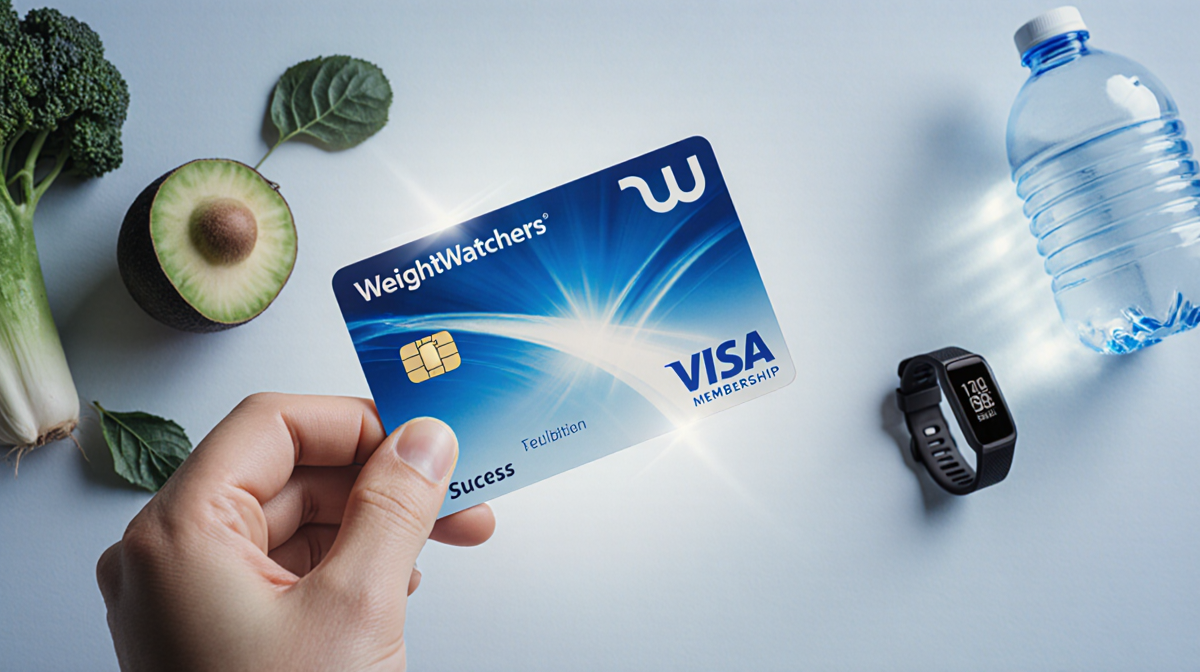
Membership plans include:
- Core: starts at $12/month for a 12-month plan.
- Core Plus: $22/month.
- Med Plus: $25/month.
Program Comparisons
| Program | Primary Focus | Coaching | Meals Included | Medication | Length | Cost |
|---|---|---|---|---|---|---|
| WeightWatchers | Diet | Self-guided app; live coaching | No | Yes | 1-12 months | $12+ per month |
| Noom | Diet, activity | App-based, one-on-one | No | Yes | Depends on goals | $17+ per month |
| Nutrisystem | Diet | App-based | Yes | No | 28 days | $10-16 per day |
| Optavia | Diet | Personal coach | Yes | No | 30 days | $180-515 per month |
Why these differences matter: The choice hinges on whether you prefer a flexible point system, an app-centric approach, ready-made meals, or a coach-driven plan.
Expert Advice
Jamie Nadeau, a registered dietitian, says the best program is one that is “realistic, sustainable and flexible.” She warns against overly rigid plans that demand too much change at once.
Jonathan P. Miller, a medical reviewer and dietitian, defines success as allowing members to choose from a variety of foods without restriction and measuring progress by mood, energy, and sleep. She stresses that a program should improve the relationship with food, not worsen it.
Red Flags to Watch For
- Programs that require purchasing specific branded foods.
- Excessive restrictions on food groups.
- Labeling foods as “good” or “bad” with promises of instant results.
Both experts agree that programs which mandate buying proprietary products or impose strict dietary rules often backfire.
Other Healthy Diets to Consider
If you prefer a structured diet outside of commercial programs, options include:
- Mediterranean diet: fresh, plant-based foods, whole grains, nuts, lean proteins, olive oil.
- DASH diet: focuses on heart-healthy foods and limits sweets, saturated fats, and full-fat dairy.
- Plant-based variations: vegan, vegetarian, pescatarian, flexitarian.
These diets are not one-size-fits-all; they may suit those who want a more traditional eating pattern.
Bottom Line
The right weight-loss program depends on your lifestyle, budget, and motivation. If you value flexibility and support, WeightWatchers is a solid choice. If you prefer an app with a psychological twist, Noom may fit better. For those who want meals delivered, Nutrisystem and Optavia offer convenience but at higher costs.
Remember that no program guarantees permanent results. Sustainable change comes from building healthy habits, understanding your own needs, and, when necessary, consulting a registered dietitian.
Key Takeaways
- WeightWatchers leads for overall effectiveness and flexibility.
- Noom offers a tech-friendly, psychology-based approach.
- Nutrisystem and Optavia provide ready-made meals but are pricier.
- Experts advise against programs that require proprietary foods or impose strict restrictions.
- Traditional diets like Mediterranean or DASH remain viable alternatives.
By aligning your choice with your goals and lifestyle, you can set a realistic path toward lasting weight loss.