At a Glance
- San Diego Comic-Con will refuse all AI-generated artwork in its 2026 art show.
- Artists who previously displayed marked AI pieces are now barred from bringing them in.
- The move follows artist pushback and a broader industry debate over AI’s role in creative media.
- Why it matters: It signals a major convention taking a hard line on AI, potentially reshaping how fan art is showcased.
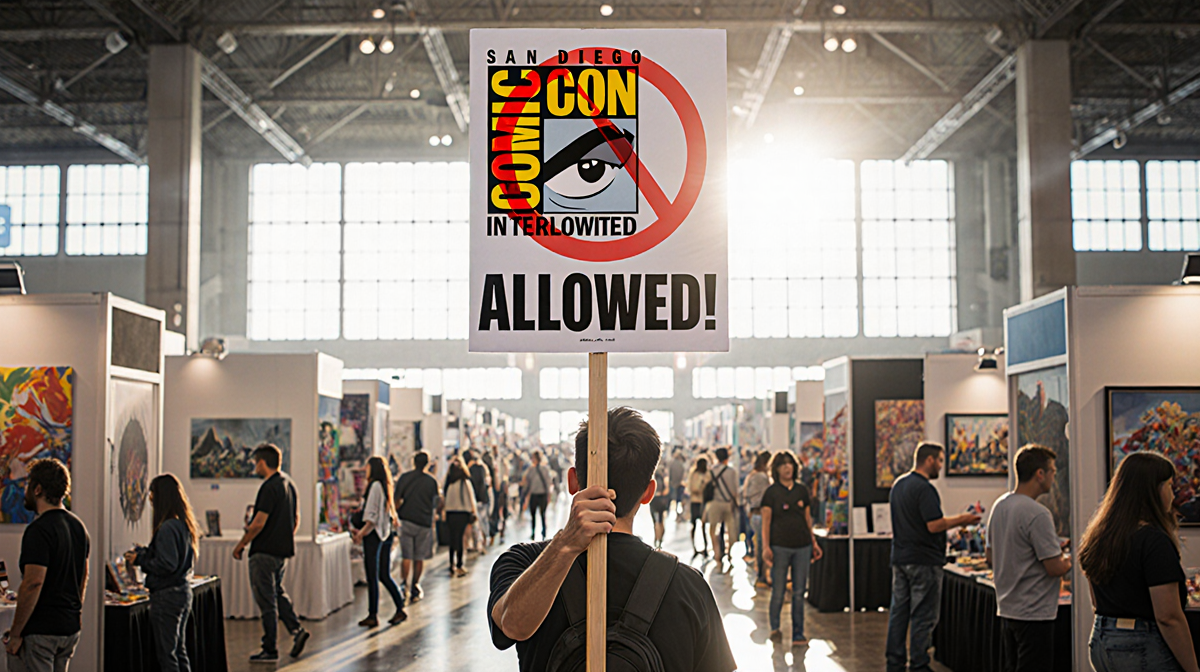
San Diego Comic-Con has announced a sweeping ban on artwork created by artificial intelligence for its 2026 art show, a decision that has sparked both support and concern among creators and attendees.
The New Rule in Detail
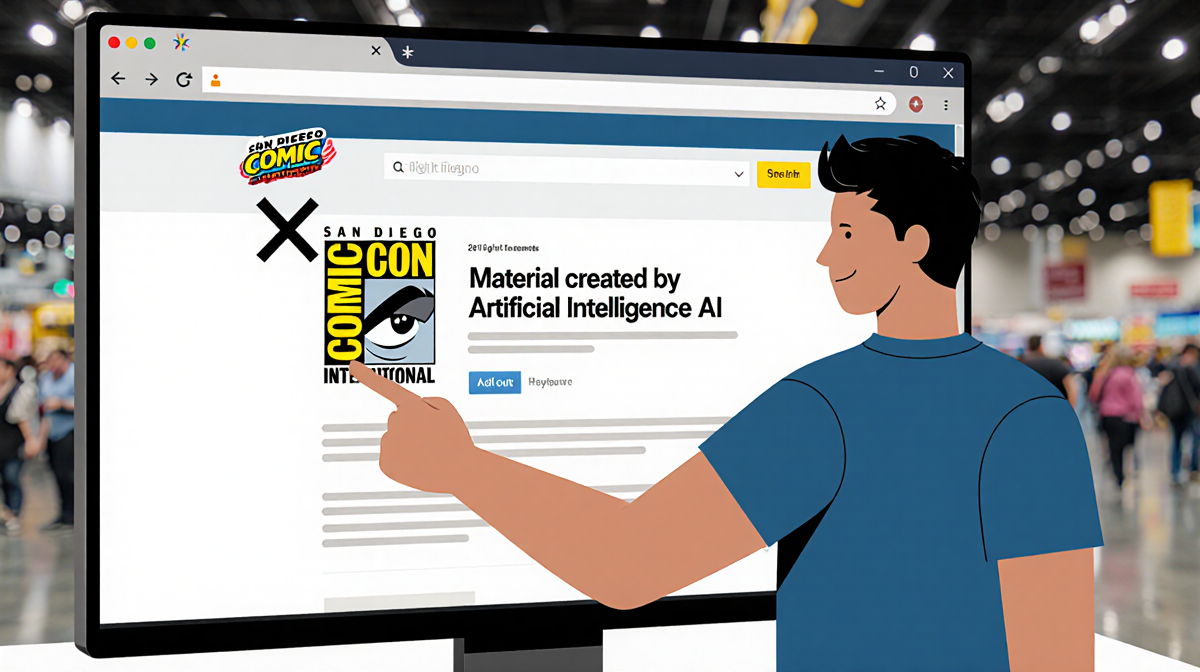
The convention’s website now states that “Material created by Artificial Intelligence (AI) either partially or wholly, is not allowed in the art show. If there are questions, the Art Show Coordinator will be the sole judge of acceptability.” This policy removes any AI-generated content from the exhibition space, regardless of whether the work is sold or merely displayed.
- Artists who previously could exhibit AI art in Artists’ Alley as long as it was clearly labeled and not sold are now prohibited from bringing it into the main show.
- The rule change is a direct response to artist-led pushback, according to a 404 Media report.
- The decision is set to take effect for the 2026 convention.
Artist Reactions
Jim Zub, a writer for the Conan the Barbarian and Dungeons & Dragons comic book series and an artist himself, said he supports the convention’s decision and hopes other events will follow.
> “Hundreds of thousands of people attend San Diego Comic-Con each year and the excitement that generates isn’t because they’re eager to meet a computer spitting out homogenized slop,” Zub told News Of Los Angeles. “Artists, writers, actors and other creatives gather and celebrate the popular arts in person because the people part of the equation is what matters most.”
Zub, who will be scheduled to appear at Comic-Con in 2026, praised the focus on human creativity.
A representative for San Diego Comic-Con did not immediately respond to a request for comment, but the convention’s new guidelines were posted online without further explanation.
AI in Entertainment: A Wider Debate
The ban reflects a broader controversy over generative AI in the entertainment industry.
- In 2023, the actor’s strike highlighted backlash against AI usage in movies and television.
- Netflix has already begun using AI-generated imagery in at least one series, El Eternauta, and CEO Ted Sarandos praised the technology during a 2025 earnings call.
- “We remain convinced that AI represents an incredible opportunity to help creators make films and series better, not just cheaper,” Sarandos said.
- The video-game industry has faced backlash when AI-made placeholder assets were discovered in releases, such as the Indie Game Awards rescinding two awards for Clair Obscur: Expedition 33.
These incidents illustrate the split opinion: some creators view AI as a tool to enhance production, while others see it as a threat to originality and employment.
What This Means for Future Conventions
The decision by San Diego Comic-Con could set a precedent for other conventions and fan events.
- A hard line on AI may encourage other organizers to adopt similar bans, especially if artists and audiences demand authenticity.
- Conversely, the ban could push some creators to explore new ways to showcase AI art outside traditional venues.
- The move also underscores the tension between technological innovation and the preservation of human artistry in pop culture spaces.
The 2026 art show will be the first major test of this policy. Observers will watch to see whether the ban influences the broader conversation about AI’s place in creative industries.
Key Takeaways
- San Diego Comic-Con has banned all AI-generated artwork from its 2026 art show.
- The rule follows artist pushback and a 404 Media report.
- Jim Zub supports the ban, citing the importance of human creativity.
- The decision mirrors a larger debate over AI in film, television, and gaming.
- The outcome may influence other conventions and the future of fan-art displays.
—
Word count: ~1000