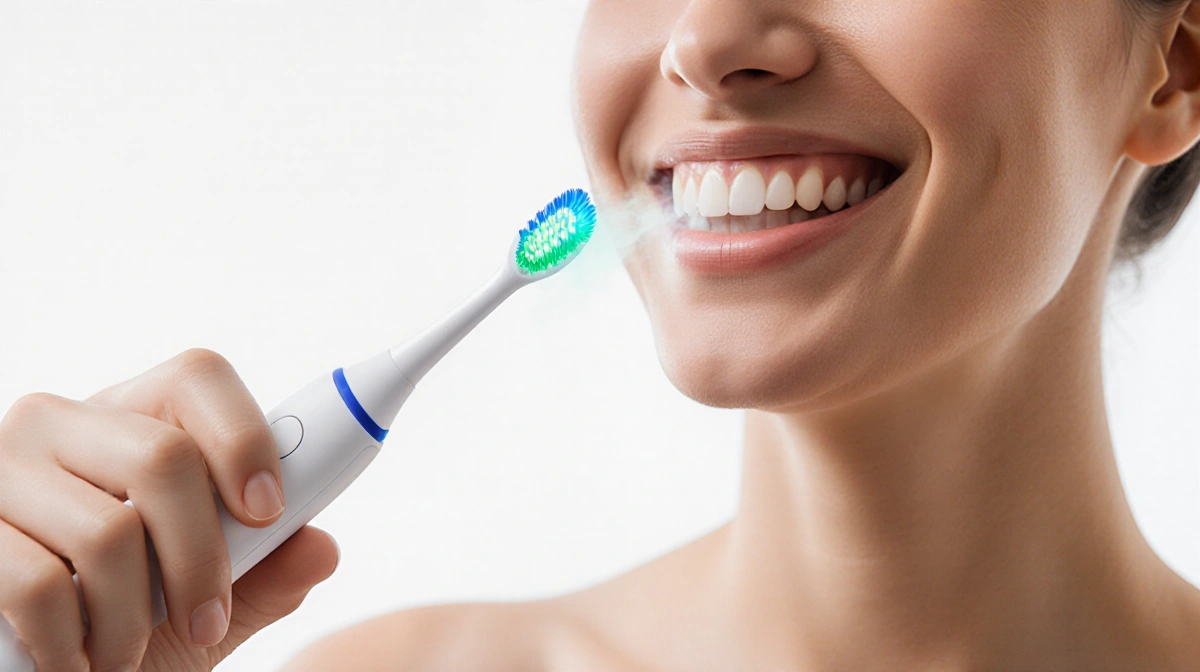
Electric toothbrushes promise cleaner teeth and healthier gums, but many users miss the simple steps that unlock their full potential. By following the correct technique, avoiding common pitfalls, and understanding the science behind them, you can keep plaque at bay and protect your smile for years.
At a Glance
- electric toothbrush can cut plaque by 11% and keep 19% more teeth over a long period.
- The ADA recommends brushing for 2 minutes twice daily with a soft-bristled brush.
- Replace brush heads every 3 to 4 months to maintain effectiveness.
Why an Electric Toothbrush Matters
Electric toothbrushes combine mechanical motion with user-friendly features that help many people achieve the recommended brushing time. The built-in timers and rotating heads provide a consistent cleaning action that is hard to match with manual brushing. For people with braces, chronic pain, or limited dexterity, the automatic motion reduces the effort needed while still removing plaque.
Key Features
- Rotating or oscillating heads that target plaque on all surfaces.
- Built-in timers that alert you when the 2-minute recommendation is met.
- Pressure sensors that warn against brushing too hard.
- Long handles for reaching the back of the mouth.
- Multiple modes (e.g., whitening, gum care, sensitive).
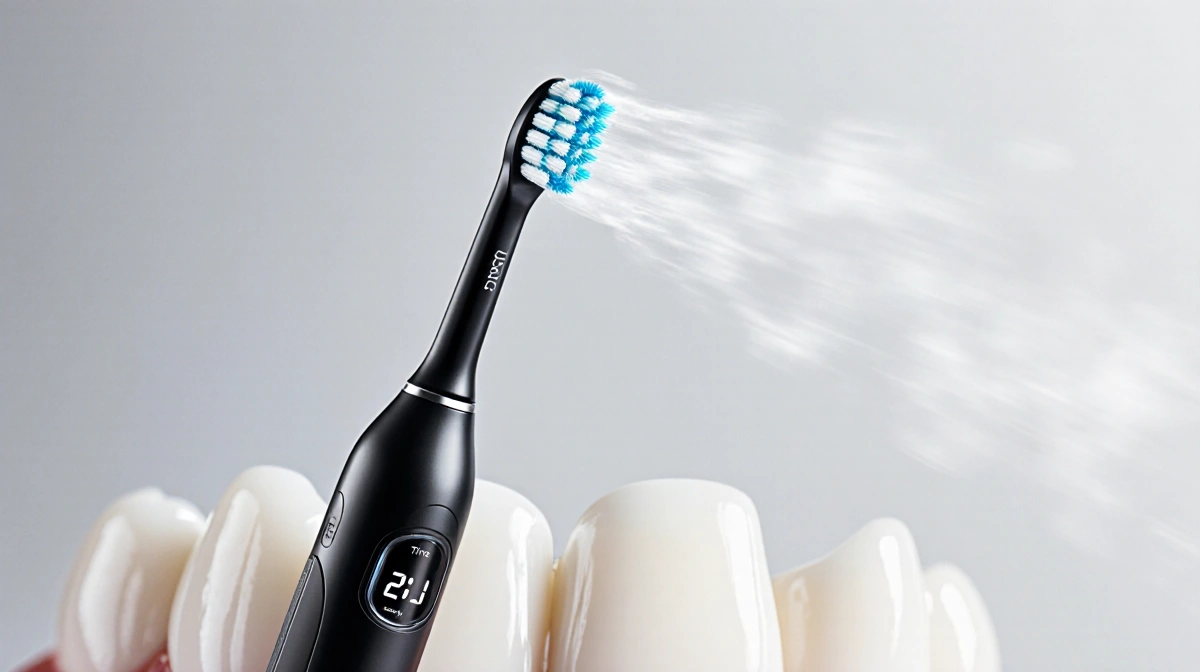
How to Use One Correctly
Using an electric toothbrush is straightforward once you know the right steps. The goal is to cover every tooth surface while keeping the brush angled and moving at a gentle pace.
- Charge the brush fully and check the indicator light.
- Hold the brush at a 45-degree angle against the gum line.
- Let the rotating head sit on each tooth for 2 to 5 seconds.
- Move sequentially: outer surfaces, inner surfaces, then chewing surfaces.
- Run the head along the gum line to remove residual plaque.
- Finish by gently brushing the roof of the mouth and the tongue.
Following these steps ensures that the brush’s motion does the heavy lifting, while you maintain proper coverage.
Common Mistakes to Avoid
Even with the best equipment, small habits can reduce effectiveness. Avoid these four pitfalls to keep your oral hygiene on track.
- Not brushing long enough: The ADA recommends 2 minutes twice daily.
- Not replacing a worn head: Change heads every 3 to 4 months.
- Brushing too hard: Excess pressure can wear enamel and gum tissue.
- Using the wrong brush: Choose a soft-bristled model with an ADA Seal of Acceptance.
Scientific Evidence of Benefits
Multiple studies confirm that electric toothbrushes outperform manual ones in reducing plaque and preserving teeth.
| Study | Sample Size | Duration | Key Finding |
|---|---|---|---|
| Cochrane Collaboration (2014) | 5,000+ adults & children | 1-3 months | 11% plaque reduction |
| University of Greifswald (2019) | 11-year follow-up | 11 years | 19% more teeth retained |
These trials show consistent benefits over time, especially for populations that struggle to maintain manual brushing habits.
Who Should Consider One
An electric toothbrush is not a one-size-fits-all solution, but it offers clear advantages for specific groups.
- Children: Built-in timers keep them on track for the full 2 minutes.
- People with braces: Rotating heads clean around brackets more effectively.
- Those with mobility issues: Automatic motion reduces the effort needed.
- Anyone looking for a consistent routine: The timer and pressure sensors help maintain proper technique.
Maintenance and Replacement
Keeping your electric toothbrush in top condition requires regular care.
- Clean the brush head after each use with warm water.
- Dry the brush and its charging base to prevent mold.
- Replace the brush head every 3 to 4 months or sooner if bristles look frayed.
- Store the brush in a dry, well-ventilated area.
Key Takeaways
- Electric toothbrushes can reduce plaque by 11% and keep 19% more teeth over time.
- Proper use involves a 45-degree angle, 2-minute brushing, and covering all surfaces.
- Avoid common mistakes such as rushing, over-brushing, and neglecting head replacement.
- The ADA recommends soft-bristled brushes and a 2-minute routine.
- Regular maintenance and timely head replacement are essential for lasting benefits.
By mastering the technique and staying mindful of the recommended care, you can maximize the health benefits of your electric toothbrush and enjoy a cleaner, stronger smile.