At a Glance
- Pam Kowalczyk, a 40-year-old special education teacher from Crystal Lake, Ill., has lived with classic PKU since birth.
- In August 2017 she adopted Kelsey, a 3-year-old girl from China who also has PKU but was not treated early.
- The two now manage the condition together, sharing diets, medical monitoring, and a daily routine.
- Why it matters: Their story highlights the critical need for early PKU treatment and shows how shared experience can create powerful family support.
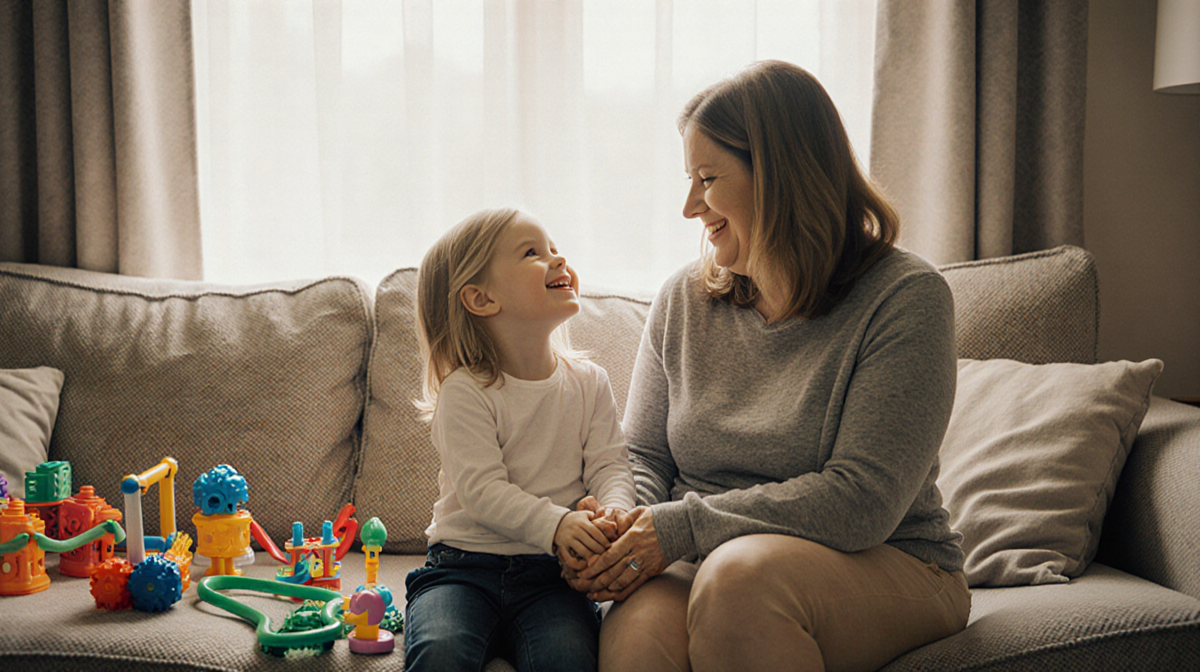
Pam Kowalczyk is a 40-year-old special education teacher who lives in Crystal Lake, Ill. She was diagnosed with classic PKU at birth and has managed the condition her entire life. In 2017 she adopted Kelsey, a 3-year-old girl from China who also has PKU but was not treated early. The mother-daughter duo now manage the condition together, sharing diets, medical monitoring, and a daily routine.
The Condition: PKU Explained
PKU, or phenylketonuria, is a rare genetic disorder in which the body lacks an enzyme that breaks down the amino acid phenylalanine. According to the Cleveland Clinic, untreated PKU leads to a toxic buildup of phenylalanine, which can cause brain damage. Children with PKU must follow a strict low-protein diet to keep blood levels safe.
Early Life and Diagnosis
Pam was screened for PKU at birth, a routine heel-prick test in the U.S. She began a low-protein, non-aspartame diet and medical formula immediately. Growing up, she learned to manage her condition from a young age, tracking food and blood levels.
The Decision to Adopt
As an adult, doctors warned Pam that pregnancy could be dangerous because of her PKU. They feared she might develop maternal PKU syndrome, which could harm a fetus. “It just would not have been safe for me to get pregnant,” Pam said. She decided to adopt if she wanted a child.
Finding Kelsey
At a PKU conference in Indianapolis in July 2016, Pam and her then-husband attended a breakout session on adopting a child with PKU. They saw a photo of Kelsey and knew instantly that she was the right match. Kelsey had been abandoned under a bridge in Shanxi, China, when she was about 3 months old. Her birth parents left a note: “My child has PKU. I hope someone can care for her.”
The adoption agency confirmed that Kelsey had always received proper medication and a PKU-safe diet. Pam consulted her own doctors and decided to move forward. She met Kelsey on the day she legally adopted her: July 31, 2017.
First Meeting
The children’s home told Pam Kelsey was 3, although Pam now thinks she is 2 to 3 years older because she had no birth certificate. At their first meeting, Kelsey could barely walk and was non-verbal with a significant cognitive delay. Pam realized she had not been treated for PKU.
Back home, Pam introduced Kelsey to her medical team. An MRI revealed significant brain damage in Kelsey, consistent with untreated PKU. “Pam has a more severe form of PKU in comparison to Kelsey,” said Erika Vucko, a nurse practitioner at Lurie’s Children’s Hospital. “But Pam was early diagnosed, early treated, and her intellect was protected,” Vucko added.
Managing PKU Together
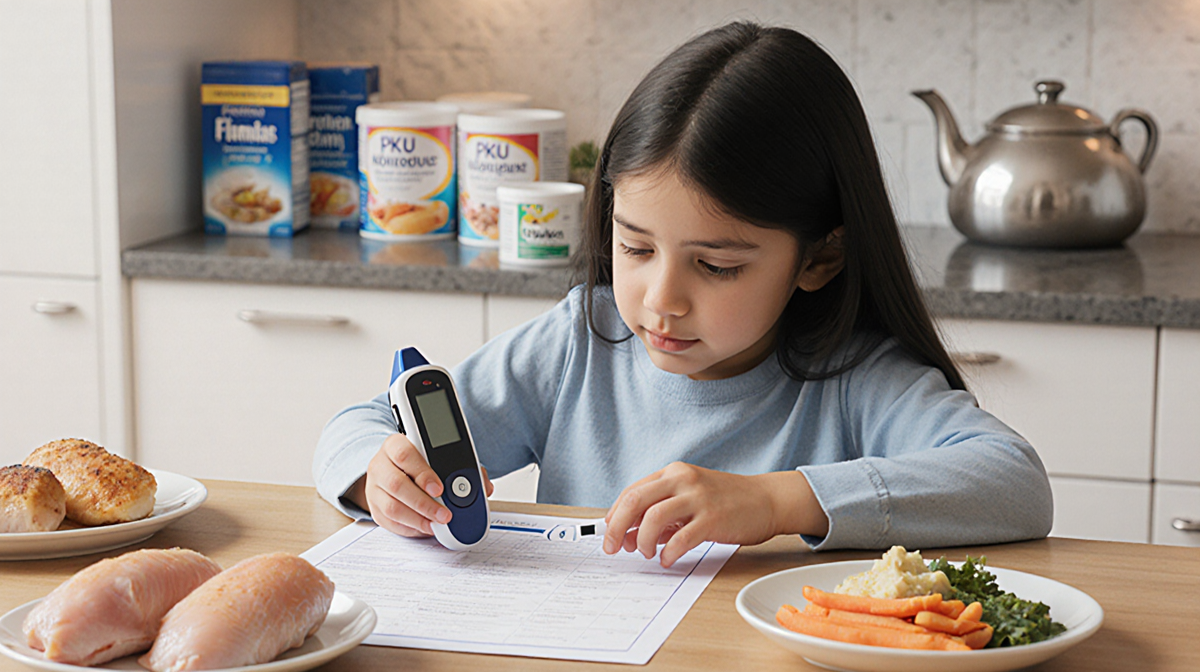
Pam’s classic PKU requires her to log and weigh every meal. She skips breakfast and lunch, eating only an apple and formula for the rest of the day. “Today I had an apple,” she said. Kelsey, who has a milder form of PKU, can eat a more varied diet: cereal, gluten-free waffles, olives, applesauce, non-dairy cheese, pasta, sweet potatoes, and more.
| Food Item | Allowed for Pam | Allowed for Kelsey |
|---|---|---|
| Apple | ✔ | ✔ |
| Formula | ✔ | ✔ |
| Cereal | ✖ | ✔ |
| Pasta | ✖ | ✔ |
| Sweet potatoes | ✖ | ✔ |
Both mother and daughter regularly check blood phenylalanine levels and use a mobile app to monitor their intake. The app logs food, weights portions, and alerts them if levels rise.
Daily Life and Support
Kelsey is now a 12-year-old sixth grader, but her cognitive function is that of a 5-year-old. She can speak a little, but communication is difficult. Kelsey uses a speech device and receives occupational and speech therapy. Pam also taught her sign language.
“She does need a lot of support,” Pam said. “She has some behavioral issues, so she can get physically violent. Sometimes she’ll just start crying and if you try to intervene, she will get aggressive and she will punch and kick and hit and bite.”
Pam and Kelsey attend special events together, such as a Chicago Cubs game in September 2025 and a Special Olympics basketball game in November 2025. They also bike along the lake in Chicago in May 2025.
The Bond
Vucko praised the arrangement: “When you as an adult are affected by a lifelong chronic condition, choosing to adopt someone with that same condition gives them a built-in support system with someone who has lived experience.” She added that opening their home to Kelsey provides a shared lived experience that is “really beautiful.”
Pam sums it up: “We’re just two strong girls,” she said. “I tell her that we can do hard things – we can do hard things together.”
Key Takeaways
- Early PKU treatment protects cognitive development; delayed treatment can lead to irreversible brain damage.
- A shared genetic condition can create a powerful support system within a family.
- Regular monitoring, diet management, and therapy are essential for both adults and children with PKU.
- Adoption can offer children with PKU a stable home and a partner who understands their daily challenges.
The story of Pam and Kelsey underscores the importance of early diagnosis and the strength that can come from shared experience. Their journey offers hope and practical insight for families navigating PKU.