At a Glance
- Oldest cave art discovered in Sulawesi, Indonesia.
- Stencil dates back 67,800 years.
- Outperforms previous record of 66,700 years in Spain.
- New technique dates pigment through mineral crusts.
- Indigenous Australians may have created the hand.
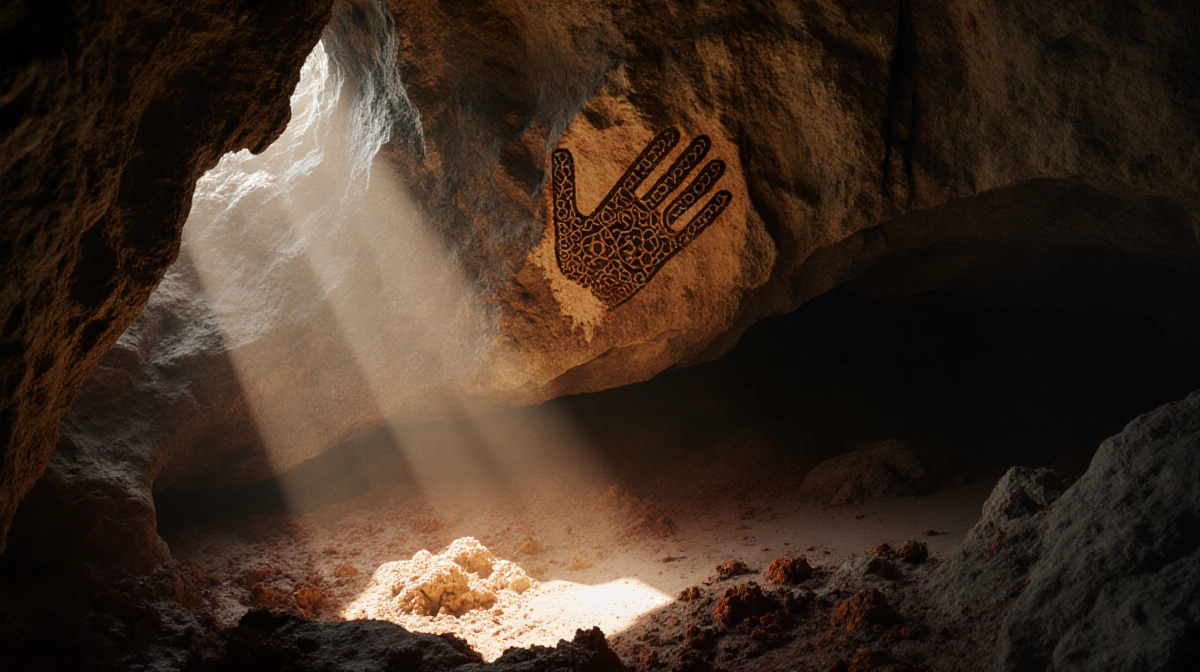
The discovery of a hand stencil inside a limestone cave on Sulawesi’s Muna Island has pushed the world record for the oldest known cave art to 67,800 years. The find, reported by the BBC, NBC News and The Guardian, marks a significant leap forward for prehistoric archaeology.
Where It Was Found
The hand outline sits in the Liang Metanduno cave, a limestone formation on Muna, one of the islands off Sulawesi’s eastern coast. The cave’s interior is dim, with walls that have preserved mineral crusts over millennia. Researchers entered the site in late 2023, following a survey that identified several paleographic anomalies.
How Old Is It?
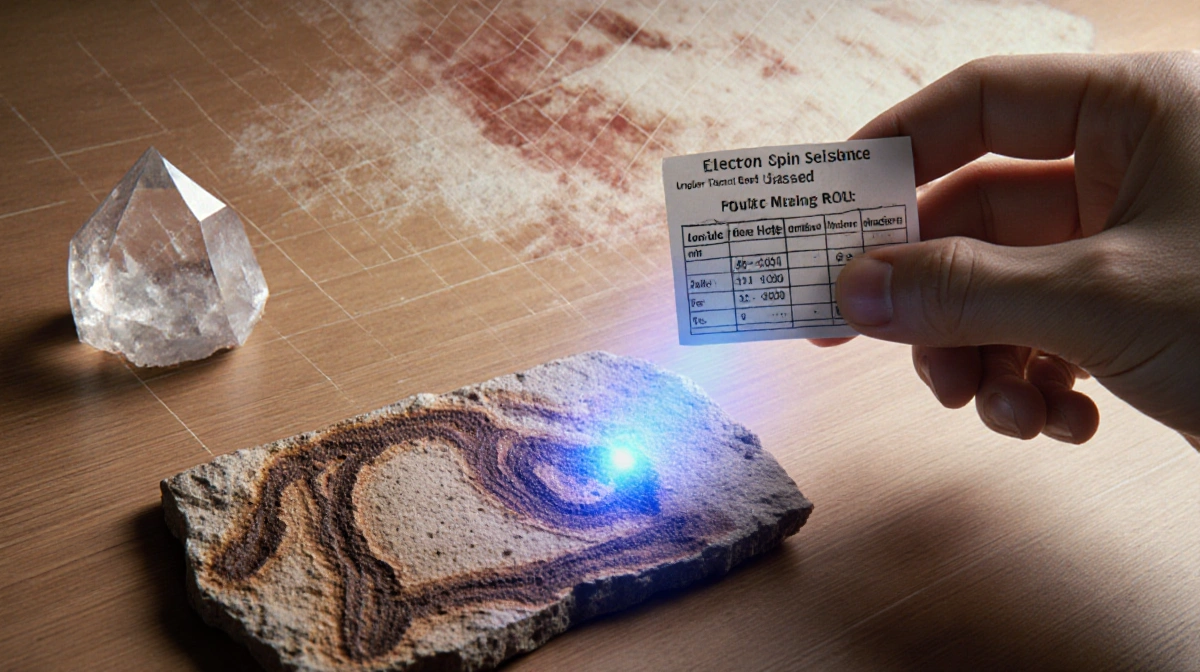
Scientists estimate the stencil’s age by examining the mineral crusts that have built up over the pigment. The crusts contain layers of calcite and iron oxides that can be dated using uranium-lead and electron spin resonance methods. The result is a date of 67,800 years, making the image 15,000 years older than the next-oldest known cave painting in Sulawesi.
Dating Techniques
- Mineral crust analysis – layers of calcite measured by uranium-lead.
- Electron spin resonance – counts trapped electrons in the pigment.
- Cross-checking – comparing results from both methods to ensure consistency.
These combined techniques are rare in rock-art studies because the pigment often erodes or is overpainted. The precision achieved here is a first for a hand stencil.
Comparing Records
| Year | Location | Age | Feature |
|---|---|---|---|
| 2024 | Spain, Maltravieso | 66,700 years | Red hand stencil |
| 2024 | Sulawesi, Muna | 51,200 years | Three human-like figures with a pig |
| 2024 | Sulawesi, Muna | 67,800 years | Hand stencil |
The 2024 Sulawesi find eclipses the Spanish record by 1,100 years. It also surpasses the 2024 Sulawesi painting that shows three figures, which was previously the oldest known art in the region.
What It Means
The age of the stencil pushes the timeline for artistic expression in Southeast Asia back well into the Upper Paleolithic. It suggests that early humans in this area were capable of symbolic thought and artistic activity much earlier than previously documented.
The discovery also challenges assumptions about the spread of art across the globe. The hand’s shape-especially the pointed fingertips-has led some scholars to speculate that Indigenous Australians may have created the image, indicating early trans-regional connections.
Expert Voices
“There’s a lot of rock art out there, but it’s really difficult to date,” said Prof Maxime Aubert, an archaeologist at Griffith University. “When you can date it, it opens up a completely different world. It’s an intimate window into the past, and an intimate window into these people’s minds.”
Adam Brumm, a co-author of the study published in Nature on Wednesday, added, “The finding is pretty extraordinary, because usually rock art is very difficult to date, and it doesn’t date back to anywhere near that old.”
Brumm also noted the significance of the hand’s age relative to the 51,200-year-old painting on Sulawesi: “I thought we were doing pretty well then, but this one image just completely blew that other one away. It really just shows how long people have been making rock art in that part of the world.”
How the Hand Was Made
Researchers propose that the original artist pressed a hand painted with red pigment against the cave wall, leaving an impression. The pigment likely came from hematite, a naturally occurring iron oxide that gives a reddish hue. The stencil’s outline was later refined into a claw shape, indicating a second round of work.
The reworked claw suggests that the image was not a one-time experiment but part of a deliberate artistic expression. This layered approach is common in other prehistoric sites, where artists revisited motifs over time.
The Bigger Picture
The Liang Metanduno stencil is not just a new record; it is a window into the cognitive and cultural development of early humans in Southeast Asia. It underscores the importance of interdisciplinary methods-geology, chemistry, and archaeology-in unlocking the past.
Future research will aim to locate additional sites on Sulawesi and neighboring islands. By mapping more art, scientists hope to trace the movement of people and ideas across the region during the Upper Paleolithic.
Key Takeaways
- The hand stencil on Muna Island dates to 67,800 years.
- It surpasses the previous world record by 1,100 years.
- Dating relied on mineral crust analysis and electron spin resonance.
- Indigenous Australians are a potential creator, indicating early cultural links.
- The find expands our understanding of prehistoric artistic activity in Southeast Asia.
The discovery of this ancient hand stencil invites a reevaluation of when and where humanity first turned to art as a means of expression.