At a Glance
- On-device AI is gaining traction for speed and privacy.
- Major brands like Apple, Google, Qualcomm are deploying on-device models.
- The shift could cut data center costs and improve user control.
Why it matters: Consumers will see faster, more private AI experiences on phones and wearables.
On-device AI is reshaping how we interact with artificial intelligence. The technology moves data and computation from distant cloud servers to the hardware that sits in our pockets, watches, and glasses. This shift promises not only faster responses but also tighter control over personal information.
Why Speed and Privacy Matter
Speed is critical when AI must act in real time-think of an object blocking a path or a translation request while walking. Privacy concerns grow when sensitive data, such as health or financial information, travels across multiple servers owned by unknown parties. The result is a growing push to keep AI workloads local.
- Speed: A few seconds can be the difference between a useful alert and a missed opportunity.
- Privacy: Local processing keeps data on encrypted device storage.
- Cost: Eliminating cloud fees reduces operational expenses.
Current On-Device AI Landscape
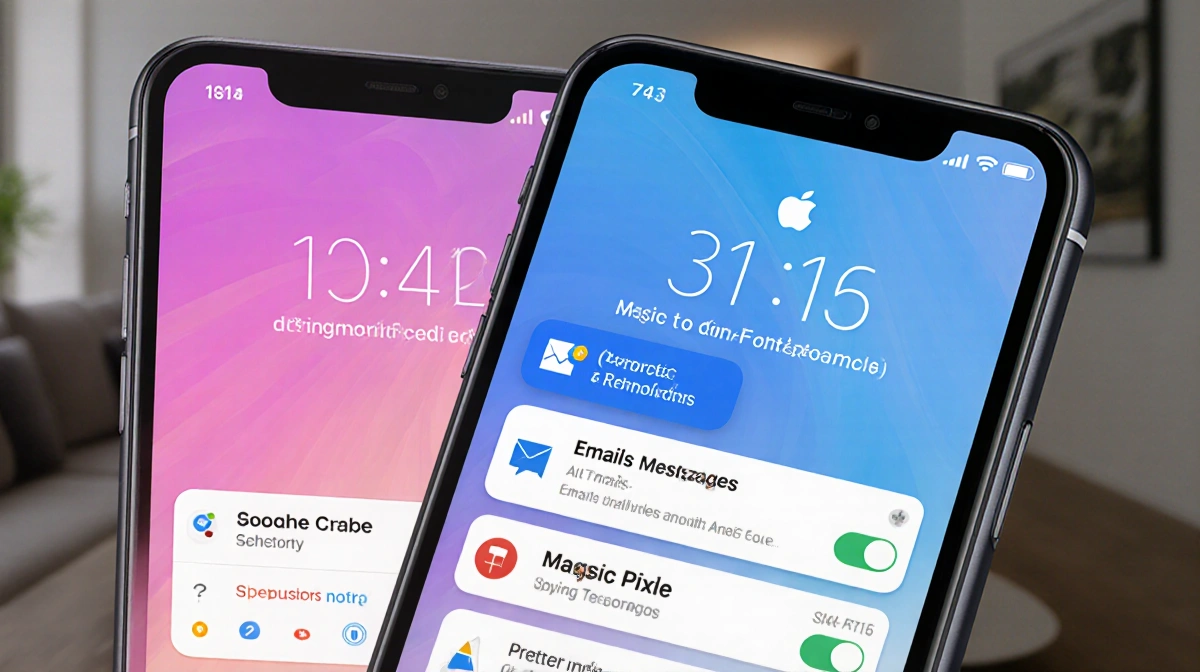
Apple, Google, and Qualcomm have led the charge. Apple’s Apple Intelligence powers visual recognition and Siri’s new look. Google’s Pixel phones run Gemini Nano on the Tensor G5 chip, enabling Magic Cue to surface information from emails and messages instantly. Qualcomm’s head of generative AI, Vinesh Sukumar, notes that “the system challenges are very different” for wearables.
| Device | Model | Size (parameters) | Primary Use |
|---|---|---|---|
| iPhone | Apple Intelligence | 3 billion | Summarizing messages, visual recognition |
| Pixel | Gemini Nano | 671 billion | Magic Cue, email insights |
| Apple Watch | On-device AI | – | Activity recognition |
Satya, a professor of computer science at Carnegie Mellon University, compares edge computing to the human brain: “We don’t have a billion years to wait. We’re trying to do this in five years or ten years, at most.”
Offloading and Privacy
When an on-device model can’t handle a request, it may offload to a cloud server. Qualcomm aims to keep users informed and give them the choice to refuse. Apple uses Private Cloud Compute, which processes data only on Apple’s servers, sends the minimal necessary information, and discards it immediately.
- User control: Permission required before offloading.
- Secure transfer: Data is encrypted and temporary.
- No storage: Cloud servers do not retain the data.
AI Without Ongoing Costs
Running AI locally means developers pay only for the hardware they already own. Charlie Chapman, creator of the Dark Noise app, uses Apple’s Foundation Models Framework to mix sounds without any cloud fees. “If some influencer posts about it and I get a sudden surge of users, I won’t go bankrupt,” he says.
Small repetitive tasks-data entry, basic image classification-can be automated without expensive subscriptions. The trade-off is that developers must tailor their apps to each device’s unique hardware.
The Future of Speed
Satya notes that object image classification can now deliver accurate results within 100 milliseconds. Yet tasks like object detection, instant segmentation, activity recognition, and object tracking still rely on cloud offloading. He predicts that in five years, hardware vendors will make mobile devices better tuned for AI, and algorithms will grow more powerful.
Potential future uses include:
- Real-time navigation alerts to avoid uneven pavement.
- Contextual reminders about who you’re speaking to.
- Enhanced vision to prevent tripping or falling.
These capabilities require specialized AI models and hardware, but the trajectory is clear: faster, more private AI that lives in the devices we already carry.
Key Takeaways
- On-device AI delivers speed, privacy, and cost savings.
- Major players are already deploying advanced on-device models.
- The industry expects significant progress in the next five years.