At a Glance
- 75% of parents share content about their kids online.
- Parents post roughly 71 photos and 29 videos each year.
- By high-school age, a child may have about 1,000 photos posted.
Why it matters: Every post can reveal personal data that puts children at risk of deepfakes, identity theft and emotional harm.
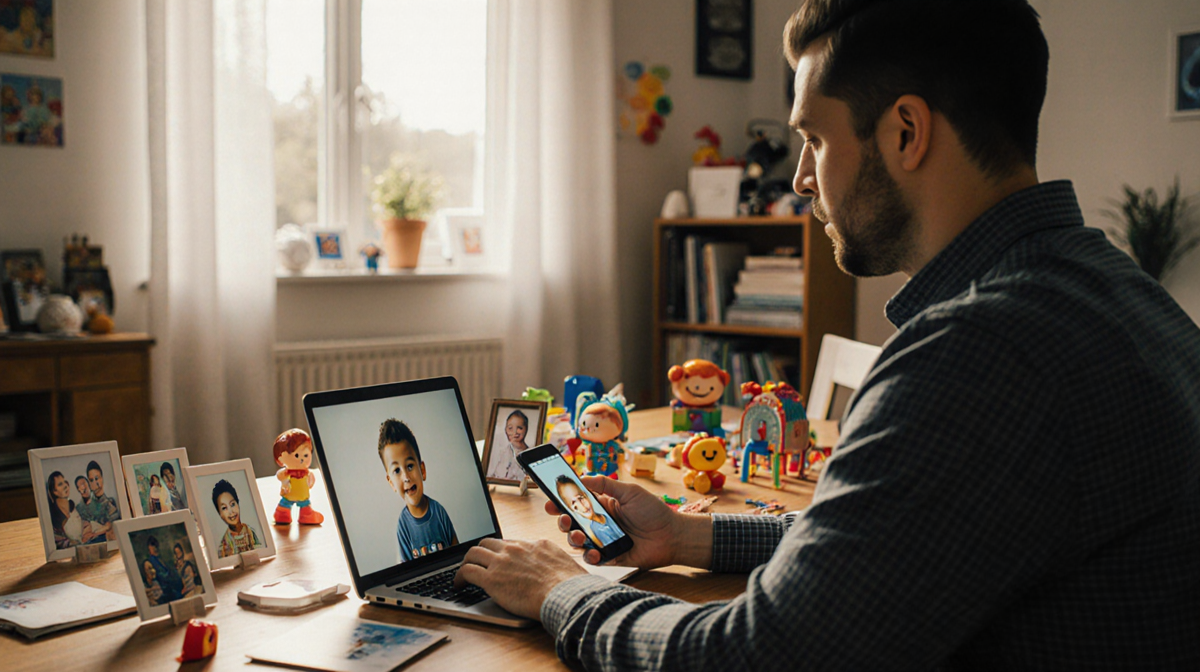
Parents are constantly sharing milestones, funny moments and school achievements online. While many do it out of pride, new research shows that this practice-known as sharenting-can expose children to serious dangers.
What Is Sharenting?
Sharenting is a blend of “sharing” and “parenting”. A 2024 study in the Italian Journal of Pediatrics found that about 75% of parents posted content related to their child or children online. Examples include birth announcements, report cards and first-day photos. The practice often starts early; a 2023 European Pediatric Association report noted that 92% of toddlers in the US have an online presence by age two.
The Hidden Dangers
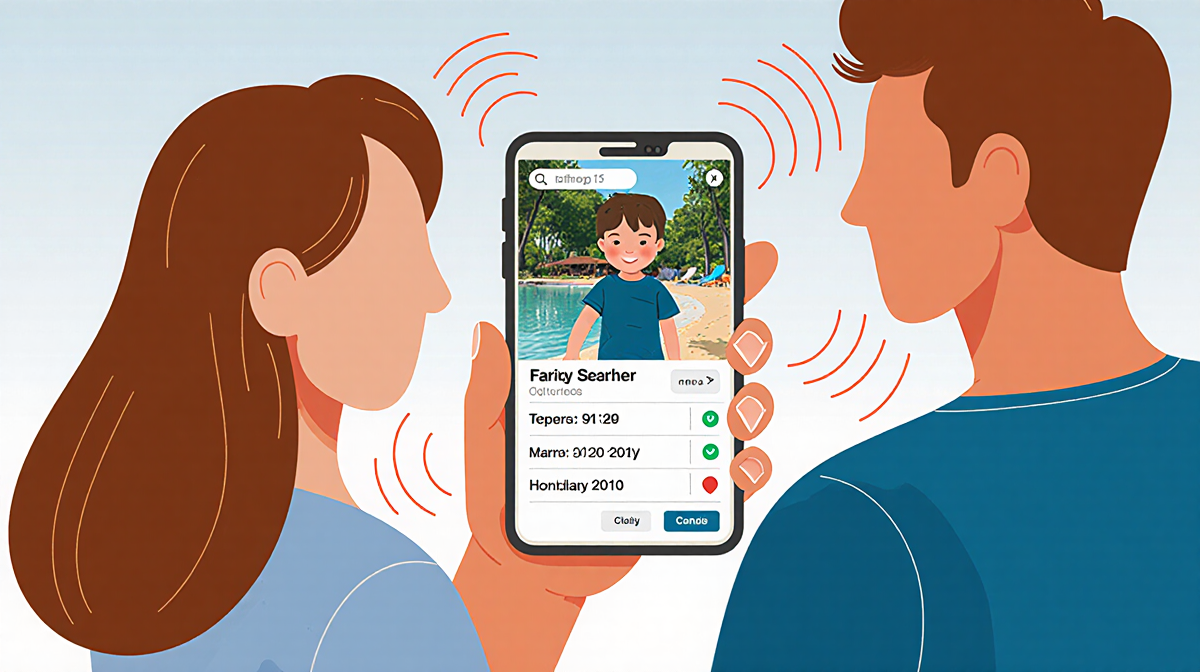
Parents may not realize that each post can leak sensitive information. Leah Plunkett, author of Sharenthood, points out that captions with a child’s full name and birthdate give away two data points. Adding a geo-tag reveals where a child frequently visits. Even a simple video of a snack can disclose likes and dislikes.
AI and Deepfakes
AI tools can turn ordinary photos into realistic but fabricated media. Reality Defender reports that some deepfake tools can create a fake image in 30 seconds. The National Center for Missing & Exploited Children warns that offenders can use AI-generated images to coerce children into providing more content.
Psychological and Emotional Harm
Dr. Susan Albers, a clinical psychologist, notes that teenagers often feel embarrassed by past posts, which can lead to bullying. Parents may unknowingly create a public image that pressures children to live up to unrealistic expectations, damaging self-esteem.
Identity Theft
PNC Bank’s Trevor Buxton explains that posting a child’s name, birthdate, or even a social-security number can enable identity theft. Fraudsters may combine fragmented data to forge a new identity, harming a child’s future credit.
Protecting Your Child Online
While you can’t stop the internet from ever seeing a photo, you can reduce risk.
1. Consider Not Posting
The safest route is to keep your child off public platforms. Some parents, like Attila Tomaschek, choose to share photos only within trusted circles.
2. Share Directly, Not Publicly
Use group chats or private messaging apps such as Signal, which encrypt messages and collect minimal data. Avoid public posts that automatically become visible to all followers.
3. Adjust Privacy Settings
If you must post, check your platform’s settings. Instagram’s Close Friends feature or Facebook’s “Only Me” option can limit who sees the content. Remember that platforms retain a license to use your posts.
4. Mask Faces and Details
Overlay an emoji or blur a child’s face to prevent AI from using the image. Keep captions vague-avoid names, birthdates, school names, or location specifics.
5. Talk to Your Child
Discuss boundaries and ask for consent before sharing. Albers advises parents to pause and consider the information in a post, especially if the child is old enough to understand.
If You’ve Already Shared
Don’t panic. You can set accounts to private and remove existing posts. Plunkett says it’s worth revisiting and pulling down content that no longer aligns with your privacy goals.
Key Takeaways
- Sharenting is common, but it can expose children to AI, identity theft, and emotional harm.
- Even seemingly harmless posts can leak personal data.
- Use private sharing, privacy settings, and face masking to protect your child.
- Discuss boundaries with family and obtain consent from older children.
- Revisit and remove past posts if they no longer fit your comfort level.
By staying informed and intentional, parents can enjoy sharing moments without compromising their child’s safety.