At a Glance
- Super quantum dots promise deeper, more realistic colors in TVs.
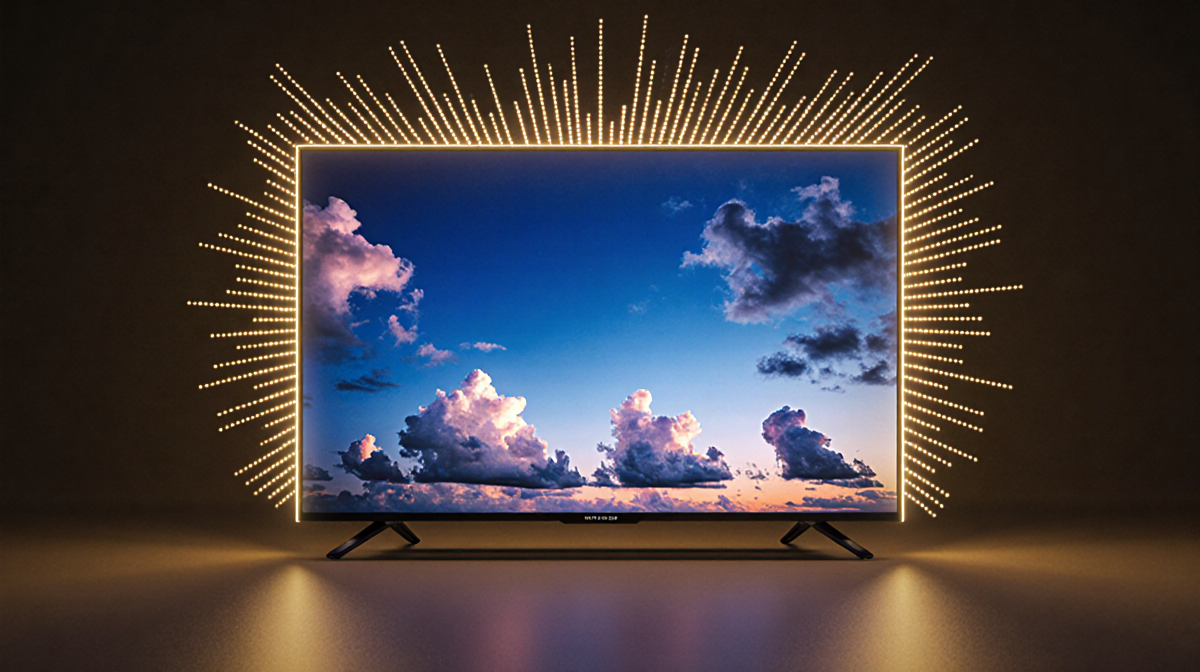
- TCL claims a 33% increase in color gamut with their new SQD technology.
- Manufacturers can now tune quantum dot colors to nanometer-level precision.
- Why it matters: Viewers could see brighter, more vibrant images without needing a full OLED set.
Super quantum dots are a new twist on the tiny particles that power many modern displays. The first time you see a TV with quantum dots, the company advertises that it can turn blue light from LEDs into bright red and green. That trick has made picture quality better than plain LCD panels, and it has become a standard part of many high-end TVs.
But a new type of dot-called a Super quantum dot-is being pushed as the next step. It is not a brand name, but a description of dots that are engineered to be more precise in their color output. The difference is subtle, yet it could change the way manufacturers build and tune displays.
What Are Quantum Dots?
Quantum dots are microscopic particles that emit light of a specific color when energized. Their size determines the wavelength of light they produce:
| Size | Color | Typical Wavelength |
|---|---|---|
| Smallest | Blue | ~450-470 nm |
| Medium | Green | ~520-540 nm |
| Largest | Red | ~630-650 nm |
Current TVs use blue LEDs or OLEDs as the light source. The quantum dots convert that blue light into red and green, creating the full spectrum of colors a viewer sees.
How Super Quantum Dots Differ
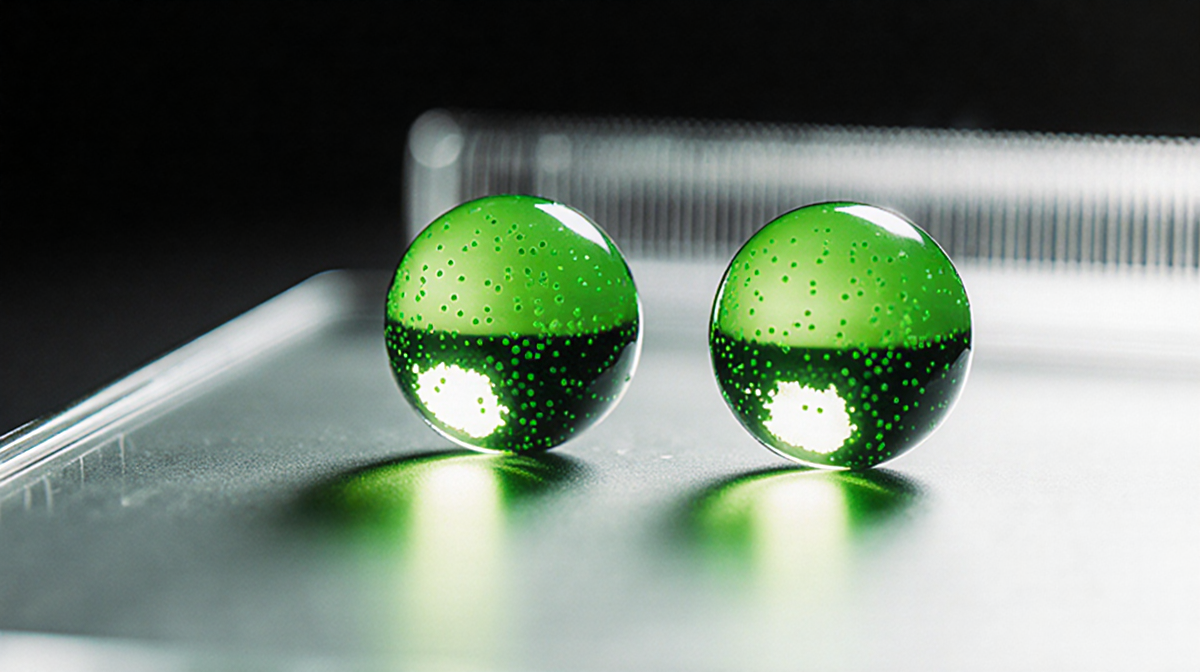
Quantum dot manufacturers, such as Nanosys, have refined their production process. They can now batch dots that emit at exact nanometer wavelengths. In a photo from a recent lab visit, the difference between a 521 nm and a 537 nm green dot is barely visible, but in a real TV it can affect color accuracy.
The manufacturing plant looks like a brewery, with many stages that must be precisely controlled. If a dot is too big or too small, it will not convert light correctly. Super quantum dots aim to keep each particle within a tighter size window, producing a deeper and more realistic color.
Performance Claims
TCL, one of the first companies to showcase SQDs, claims a 33% increase in color gamut. That figure means the TV can display a wider range of colors, closer to the spectrum that the human eye can perceive. The company also highlights that the new dots allow for purer reds and greens, reducing wasted light that can lower brightness.
Other manufacturers are likely to adopt similar techniques, even if they use a different name. The goal is clear: brighter, more vibrant displays without the higher cost of OLED or mini-LED panels.
What It Means for TV Makers
- Color Accuracy – With tighter wavelength control, manufacturers can calibrate displays more precisely.
- Brightness vs. Color – Pure colors use light more efficiently, so TVs can stay bright even with deeper hues.
- Cost Efficiency – Using the same LED backlight but improved dots keeps prices lower than full OLED sets.
### What Viewers Will Notice
- Slightly richer reds that look more natural in scenes like sunsets.
- Greener foliage that feels less washed out.
- More accurate skin tones, reducing the “greenish” look in some lower-end models.
These changes are incremental. The technology does not replace OLED; it builds on the existing quantum dot approach. For most users, the difference may be subtle unless they compare a high-end OLED to an SQD-enhanced QLED side by side.
Key Takeaways
| Takeaway | Detail |
|---|---|
| SQDs are a refinement | Tighter size control for deeper colors |
| TCL’s claim | 33% larger color gamut |
| Industry trend | More manufacturers will adopt similar precision |
| Viewer impact | Brighter, more vibrant images, especially in reds and greens |
In the end, super quantum dots represent a modest but meaningful upgrade to display technology. They bring a level of precision that could make the next generation of TVs look noticeably better, especially for color-critical applications like photo editing or watching HDR content.
Written by Marcus L. Bennett