At a Glance
- TikTok will stay in the U.S. under a new joint venture after a deal with investors.
- The platform will use a U.S.-licensed algorithm that may shift what users see.
- Creators and businesses worry about changes to commerce and content moderation.
Why it matters: The deal keeps the app alive for U.S. users but could reshape the TikTok experience and raise security questions.
TikTok will continue to operate in the U.S. after a deal was finalized that created a new joint venture, giving the company a U.S. owner and a new legal structure. The agreement follows a series of executive orders and a congressional law that would have shut the app down on January 2025 if a buyer was not found.
The Deal That Keeps TikTok Alive
The bipartisan law passed in 2024 and signed by President Joe Biden required TikTok to find a new U.S. owner by the end of the year or face a ban. President Donald Trump, on his first day in office, signed an executive order that kept the platform running while the administration negotiated a sale. Multiple orders extended the deadline until the joint venture was completed.
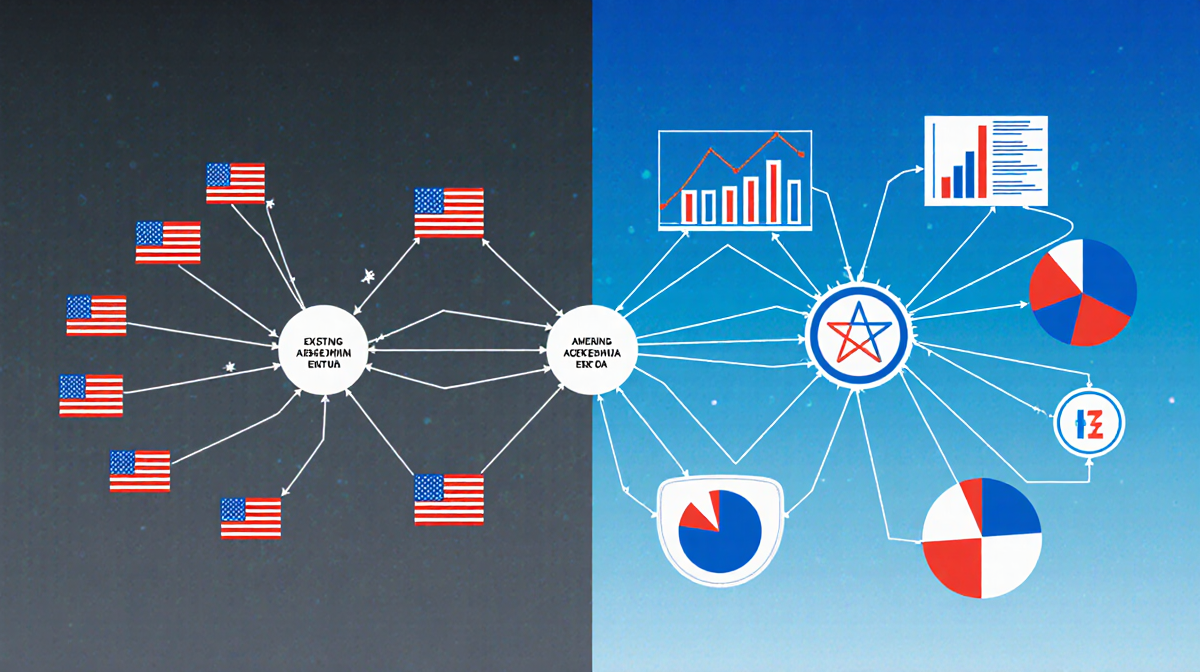
The new structure involves investors such as Oracle, Silver Lake and the Emirati firm MGX. These entities will hold the U.S. ownership stake, while ByteDance will license the recommendation algorithm.
- Oracle – technology giant
- Silver Lake – private equity firm
- MGX – Emirati investment company
How the Algorithm Will Change
ByteDance will license the existing algorithm to the U.S. entity, after which it will be retrained on American user data. The retraining process is expected to introduce subtle changes to personalized feeds.
Forrester analyst Kelsey Chickering said the algorithm’s shift will make “trends feel distinctly American.” She added that global content will still appear, but its ranking will change. “This matters because the algorithm is the heartbeat of the app’s addictive experience,” she said.
The changes raise concerns about content moderation. “If moderation tilts toward one political viewpoint or fails to curb misinformation, TikTok risks a user exodus to rival platforms,” Chickering warned.
| Date | Event |
|---|---|
| January 2025 | Congressional law deadline for a new U.S. owner |
| September 2024 | Trump’s executive order allowing TikTok to continue operating |
| October 2024 | Finalization of the joint venture deal |
Updated Terms of Service and User Experience
The new Terms of Service include several updates:
- Users retain ownership of their content, but TikTok can use it to operate or improve the platform, subject to settings.
- Users under 13 will be limited to an “Under 13 Experience.”
- Users must label AI-generated content as such.
These changes do not alter the core app experience, but they add new responsibilities for creators and consumers.
Who’s Behind the New Ownership
Larry Ellison, co-founder of Oracle, remains a top executive in the new ownership group, even though he no longer runs Oracle as CEO. Ellison, 81, has an estimated personal fortune of $225 billion and has ties to the Trump administration dating back to the president’s first term.
Ellison’s involvement has raised concerns about content moderation. “We’ve seen this before when Twitter’s transformation into X triggered fallout from users and advertisers,” Chickering said.
MGX, a firm based in the United Arab Emirates, also holds a stake in the joint venture. The combination of U.S. and international investors aims to balance regulatory compliance with global reach.
Reactions from Creators and Businesses
Skip Chapman, co-owner of KAFX Body in Manasquan, New Jersey, launched his business on TikTok in April 2023. He said he is glad to avoid the threat of a ban, which has loomed over his business for more than a year. “I’m cautiously optimistic the deal will be good for TikTok and my shop, but I’m a little concerned that the new owners might de-prioritize the e-commerce aspect of TikTok,” he said.
Vanessa Barreat, owner of La Vecindad Mexican restaurant in Las Vegas, has a TikTok page with over 100,000 followers. She said she is in a “wait-and-see” mindset. “Anytime there’s a major shift or deal, there’s uncertainty, but I’m not operating from fear,” she said. “TikTok has empowered so many voices that historically didn’t have access to platforms like this, and that impact doesn’t disappear overnight.”
Security Concerns and Legislative Gaps
Lawmakers worried that the Chinese government could use TikTok’s algorithm to push propaganda or gather data on U.S. users. The law prohibits “any cooperation with respect to the operation of a content recommendation algorithm” between ByteDance and a new American ownership group. How ByteDance’s continued licensing of the algorithm will fit within that prohibition remains unclear.
The joint venture does not fully resolve the security concerns that led to the original law. Critics argue that allowing ByteDance to license the algorithm could still expose U.S. users to data risks.
Key Takeaways
- TikTok will remain available in the U.S. under a new joint venture.
- The algorithm will be licensed from ByteDance and retrained on U.S. data, likely changing feeds.
- Updated Terms of Service introduce new content ownership rules and AI labeling.
- Ownership includes high-profile investors like Oracle’s Larry Ellison, raising moderation concerns.
- Creators and businesses are cautiously optimistic but wary of potential shifts in e-commerce focus.
- Security concerns persist due to the continued involvement of ByteDance in algorithm licensing.
TikTok now faces a future that balances continued U.S. presence with evolving user experience and regulatory scrutiny.