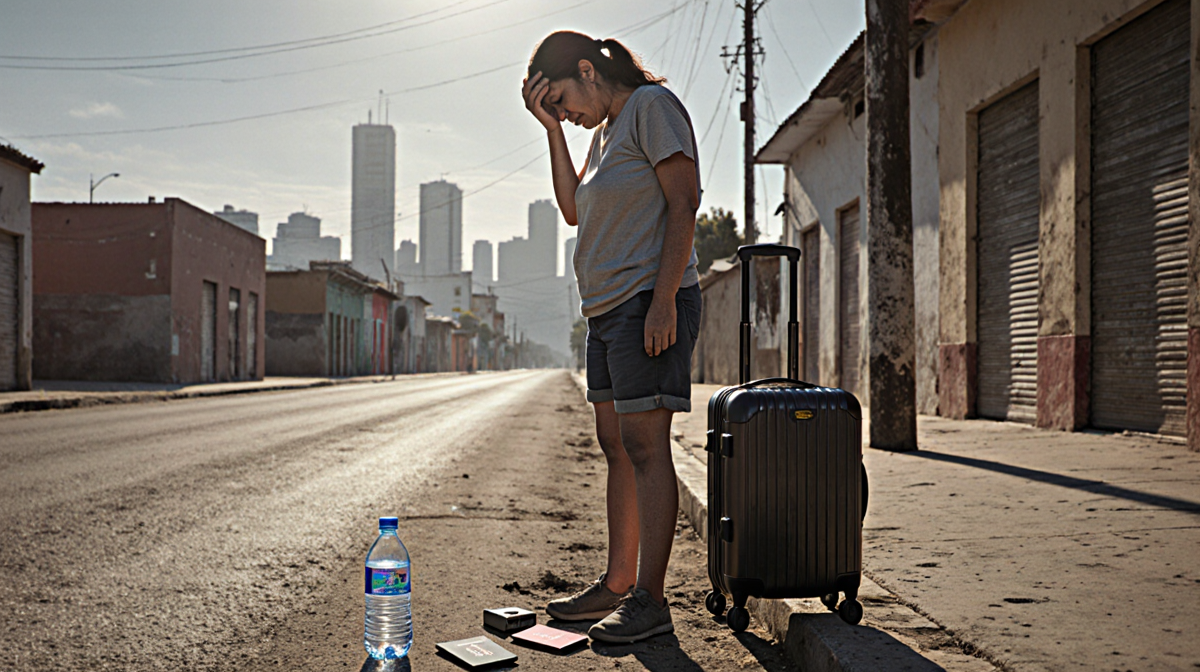
A Venezuelan mother’s story exposes how deported migrants are being funneled into remote southern Mexican cities with little support.
She was sent from the U.S. on Jan. 1, and her two-day journey ended in the city of Villahermosa, where shelters report a surge in arrivals.
Human-rights groups warn that the process is long, exhausting, and often dangerous, with authorities dropping migrants in unsafe areas.
At a Glance
- Jan. 1: Venezuelan mother deported with her 3-year-old son.
- 2-3 days: Total time from U.S. border to southern Mexico.
- Villahermosa: The growing hub for expelled migrants.
The Journey Begins
The Venezuelan mother, a 22-year-old, was deported on Jan. 1 from Pennsylvania, after being apprehended and sent to Texas.
She was then sent to Mexico, where the U.S. Department of Homeland Security’s CBP Home app update allowed her to indicate her plan to leave the U.S.
The total time from the U.S.-Mexico border to southern Mexico was 2-3 days.
From Reynosa to Villahermosa
Deported migrants are typically processed in Reynosa, across the border from McAllen, Texas.
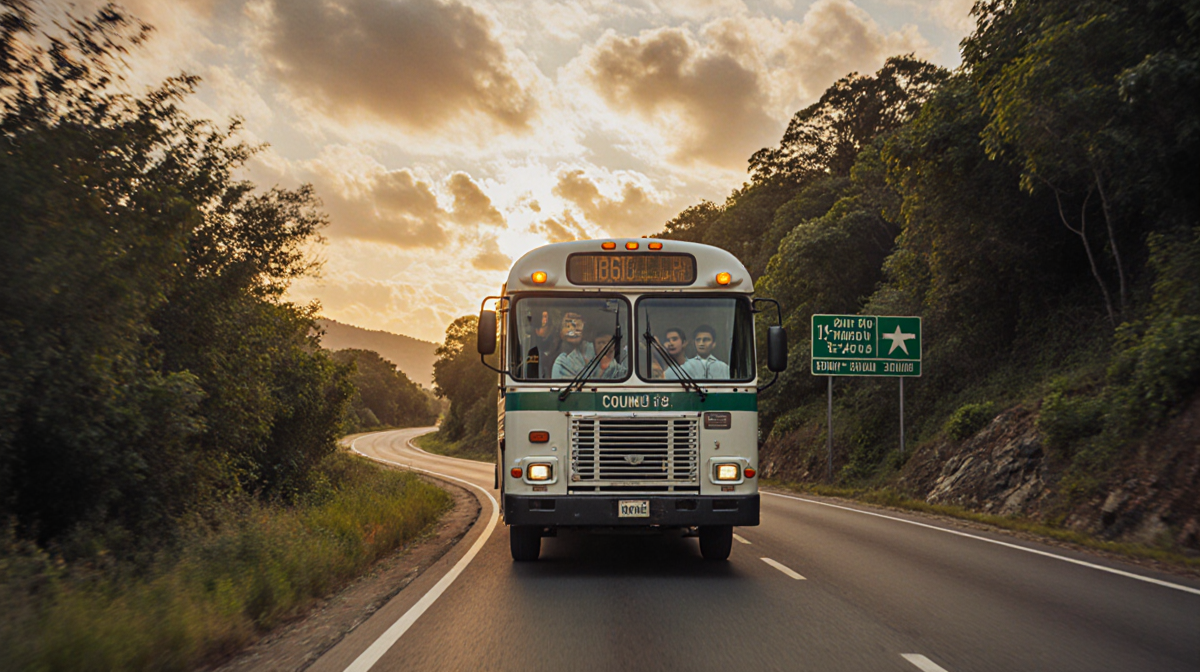
After receiving food and a brief two-hour wait, they are bused approximately 14-16 hours south to Villahermosa.
With traffic, the trip can exceed 24 hours, and some reports say migrants are dropped off in unsafe areas.
The Village of Villahermosa
Villahermosa has become a landing place for expelled migrants, according to human-rights groups.
Shelters such as Amparito report a noticeable rise in Venezuelan nationals arriving after U.S. deportation, as well as migrants from Cuba, Honduras, El Salvador, Colombia, and Haiti in 2025.
The city’s proximity to Guatemala may encourage migrants to continue south and leave Mexico.
- Nationalities seen in 2025 shelters:
- Cuba
- Honduras
- El Salvador
- Colombia
- Haiti
Voices of Concern
Julio Rodríguez, founder of Apoyo a Migrantes Venezolanos, says the reality is that migrants are not always taken directly to Villahermosa’s immigration center.
He added, “We can’t cover the sun with one finger. These are places with very high levels of insecurity.”
Josue Martinez Leal, who works at the Amparito Shelter, says, “We’ve seen a noticeable rise in Venezuelan nationals arriving after deportation from the U.S.” He also reports that in 2025 the shelter received Cuban, Honduran, Salvadoran, Colombian, and Haitian migrants.
U.S. Deportations to Venezuela
Human Rights First reports that between February and December, nearly 14,000 Venezuelans were carried back to their home country on more than 80 flights, including children.
The flights included children.
This continues while thousands remain stranded in southern Mexico.
| Period | Flights | Migrants Returned |
|---|---|---|
| Feb-Dec | >80 | ~14,000 |
| 2025 | – | – |
Authorities’ Silence
The U.S. Department of Homeland Security did not respond to questions about its policies regarding Venezuelan deportations.
Mexican authorities also failed to explain why Villahermosa is used as a deportation destination.
The lack of transparency raises concerns among human-rights groups.
Key Takeaways
Venezuelan migrants are being funneled into a remote Mexican city with limited support.
The journey is long, dangerous, and often ends with migrants dropped in unsafe areas.
Both U.S. and Mexican authorities have yet to provide clear explanations for the process.
The Mother’s Perspective
The mother, whose name she requested not be used, told NBC Miami she never imagined her path would lead her to a secluded city in southern Mexico.
She described feeling lost after the deportation and being left without clear instructions.
She said she hopes to find a safer future for herself and her son.
The Process Inside Mexico
Once in Mexico, deported migrants are often held in temporary facilities before being transported to Villahermosa.
The journey can take up to 24 hours, depending on traffic and bus schedules.
Many migrants report being dropped off in areas that lack basic security.
Legal and Support Gaps
The CBP Home mobile app update allows migrants to indicate their plan to leave the U.S., but it does not guarantee safe arrival in Mexico.
Human-rights groups say that shelters in Villahermosa are overwhelmed and lack resources to support the influx.
There is no clear legal framework for migrants once they cross the border.
International Response
International observers have called for greater transparency from U.S. and Mexican authorities.
The lack of response has drawn criticism from human-rights organizations.
The Human Cost
Families like the mother’s face uncertainty, with no immediate support network in a third country.
The journey’s length and lack of guidance expose migrants to risks such as exploitation and violence.
Human-rights groups warn that the current system fails to protect vulnerable individuals.
The Role of Mexican Authorities
Mexican officials claim that Villahermosa is chosen for its logistical convenience and proximity to the border.
However, they have not publicly addressed concerns about unsafe drop-off points.
The absence of a coordinated plan leaves migrants exposed during the transfer.
The Impact on Local Communities
Villahermosa’s shelters are experiencing unprecedented demand, stretching their capacity.
Local residents report increased security concerns as the influx grows.
The city’s infrastructure is strained by the sudden population surge.
Calls for Reform
Human-rights groups are urging both governments to establish clear protocols for deported migrants.
They emphasize the need for safe arrival points and immediate support services.
Without reform, the cycle of displacement is likely to continue.