At a Glance
- Robbie Williams, 51, shares a painful chapter of alcoholism during Take That’s peak fame.
- He describes daily vodka consumption and the toll on his mental health.
- The struggle contributed to his 1996 exit and later return in 2010.
- The story is featured in a new Netflix documentary released Jan. 27.
Robbie Williams, a former frontman of the boy band Take That, recently revealed a harrowing period of his life marked by severe depression and alcoholism. In a Netflix documentary that premiered Jan. 27, the singer-songwriter discussed how his addiction led to his first departure from the group in 1996 and how it shaped his career trajectory.
The Dark Years

Williams was 19 and 20 when he began drinking heavily. He recalled:
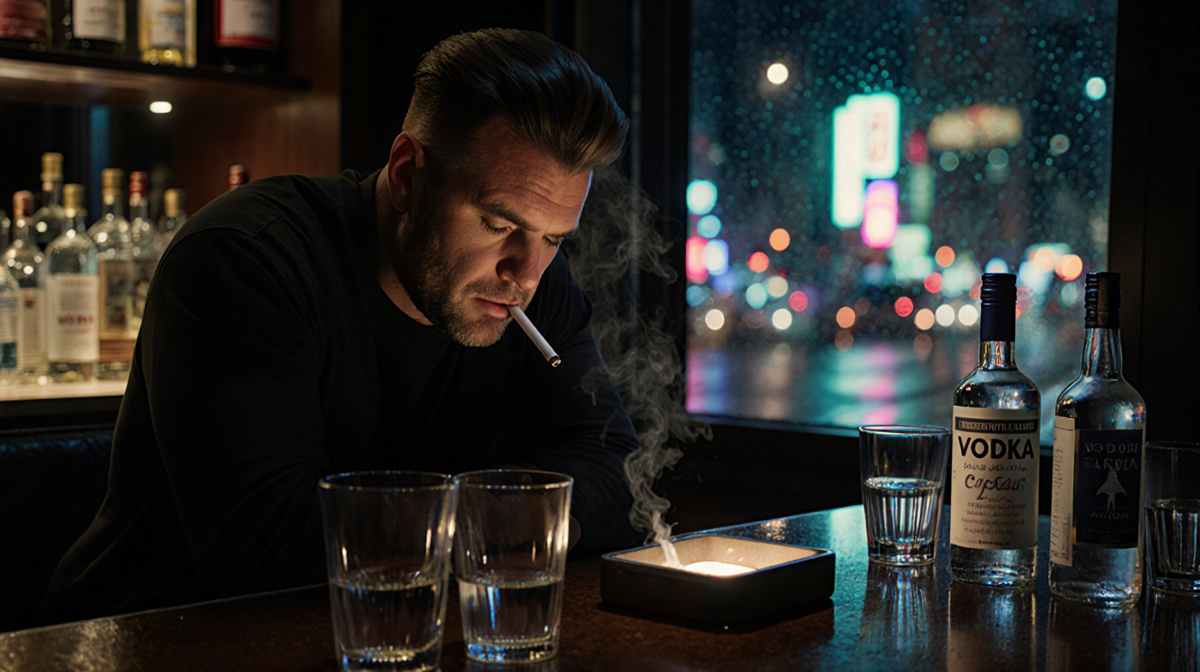
> “I was so depressed, I was going back to my hotel, downing a bottle of neat vodka. I would just drink myself into oblivion.”
He described how the alcohol affected his daily routine:
> “I couldn’t wake up or start the day without probably downing a bottle of vodka.”
The binge drinking made rehearsals impossible. Williams said his body was “full of crap” and his head hurt, preventing him from absorbing new material.
Key Facts
- 19-20 years old: Period of intense drinking.
- Daily vodka consumption.
- Physical and mental decline.
- Unable to attend rehearsals effectively.
Band Dynamics
During this time, the rest of Take That noticed the change. Bandmate Howard Donald, now 57, recalled:
> “He was jumping up and down on the stage with his bulbous eyes with all this f—ing energy.”
Former member Jason Orange observed a shift in Williams’ attitude, describing him as “more rebellious and more belligerent” and losing interest in the group.
The band’s frontman Gary Barlow admitted that the group felt embarrassed by the situation. Barlow said:
> “We were just going forward. No one was looking side-to-side to see how everyone was.”
These tensions culminated in a pivotal meeting where the group decided to part ways.
Departure and Return
Williams’ addiction and mental health struggles were the root causes of his exit in 1996. The split was a turning point for both the band and his solo career.
He returned to Take That in 2010 after reconciling with his former bandmates. However, the pull toward his solo work led him to leave again in 2011 to focus on his individual projects.
Timeline
| Year | Event |
|---|---|
| 1996 | First departure from Take That |
| 2010 | Rejoined the group |
| 2011 | Left again for solo career |
Current Status
Take That’s documentary is now available on Netflix, offering fans an inside look at the band’s history and Williams’ personal journey. The film not only highlights the group’s success but also the challenges that came with fame.
Takeaways
- Williams’ candid admission sheds light on the often-hidden struggles of pop stars.
- The narrative underscores the importance of mental health support in high-pressure industries.
- His journey from addiction to recovery serves as a cautionary tale and a source of inspiration.
The documentary invites viewers to reflect on how personal battles can intersect with professional milestones, especially in the music world.
Key Takeaways
- Robbie Williams openly discussed his alcoholism during Take That’s peak.
- The addiction led to his first exit in 1996.
- He returned in 2010, left again in 2011.
- The Netflix film offers a raw look at fame and mental health.