> At a Glance
> – Beatbot’s RoboTurtle is swimming at CES 2026 after engineers spent two months filming live sea turtles
> – The bot mimics real-turtle movement to quietly monitor coral reefs without scaring wildlife
> – Field deployment is 3-5 years away, with AI training still in progress
> – Why it matters: A low-impact robot could transform how scientists track reef recovery and fish populations
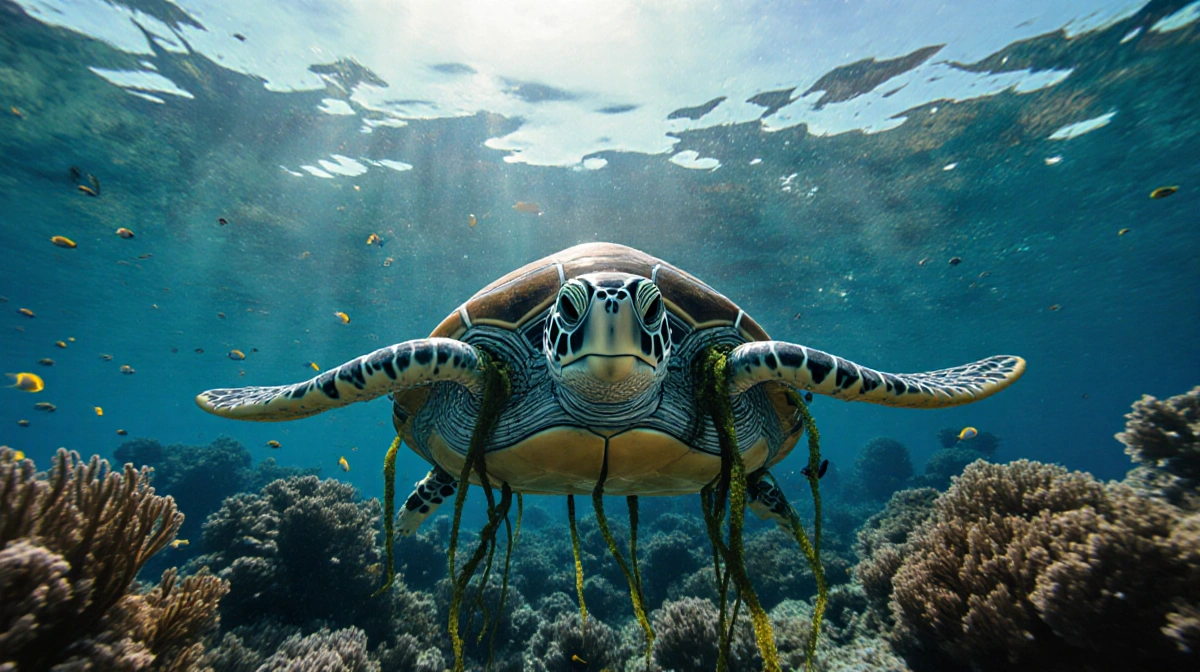
A lifelike turtle robot gliding across a Las Vegas pool stole the show at CES 2026, proving pool cleaners can evolve into serious marine-science tools.
> Beatbot built RoboTurtle to slip through delicate underwater habitats without the noise and disruption of traditional research gear.
How Engineers Nailed the Turtle Swim
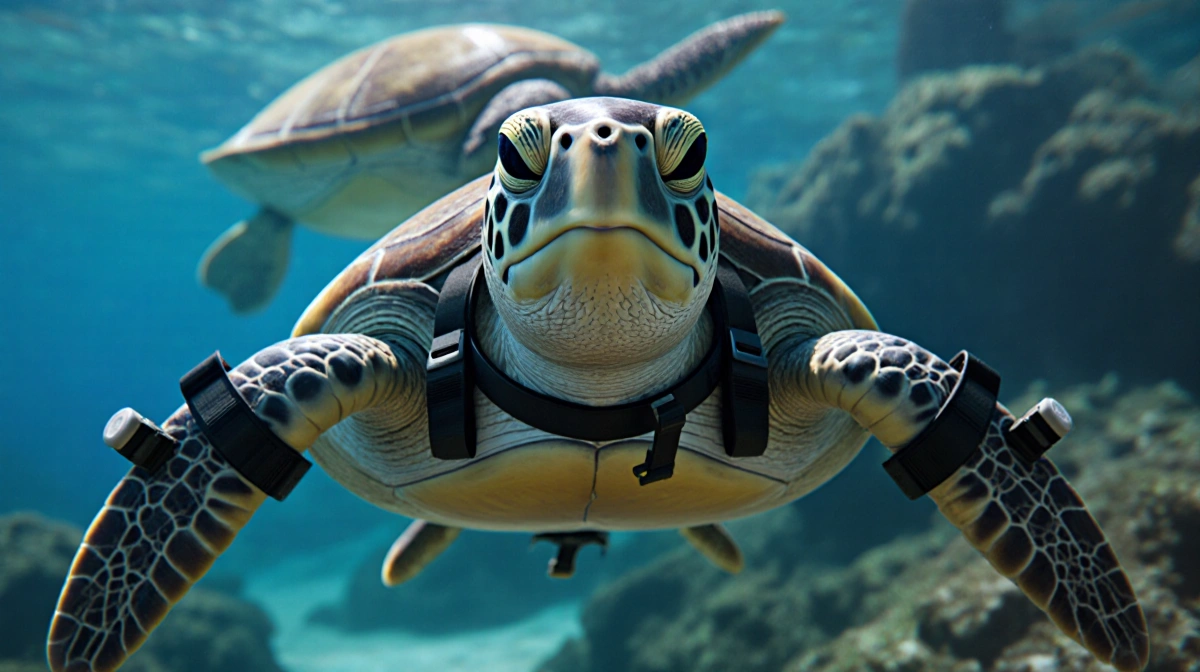
Engineers spent two months in the wild strapping motion-capture gear to real sea turtles, identical to Hollywood rigs, to map every joint and flipper stroke. The data shaped the robot’s joints and swim cadence.
> Beatbot’s Eduardo Campo explained:
> > “We need those joints to flex exactly like a turtle so nothing on the reef knows it’s fake.”
The result is a silent, five-meter-depth-capable bot that surfaces only to beam data and recharge its solar back-plate-mirroring how live turtles breathe.
Built for Conservation, Not Show Floors
RoboTurtle partners with researchers and NGOs. One Indonesian group will use it to check coral regrowth and fish counts after a boat grounding devastated a reef. The goal: gather footage and water-quality stats without adding stress to the recovering ecosystem.
Current specs:
- Max depth: 5 m
- Data uplink and solar recharge require surfacing
- Camera plus environmental sensors onboard
- AI training phase for species recognition
Timeline:
| Milestone | Target |
|---|---|
| Finalize swim mechanics | 18 months |
| Full reef missions | 3-5 years |
Key Takeaways
- Real-turtle motion capture created a robot that can blend into marine life
- RoboTurtle offers a gentler alternative to propeller-driven survey drones
- Commercial use remains years off while AI and hardware are refined
Low-impact tech like RoboTurtle hints at a future where machines help heal fragile oceans instead of harming them.