Salman Rushdie refuses to see himself as the public symbol the world has made him out to be.
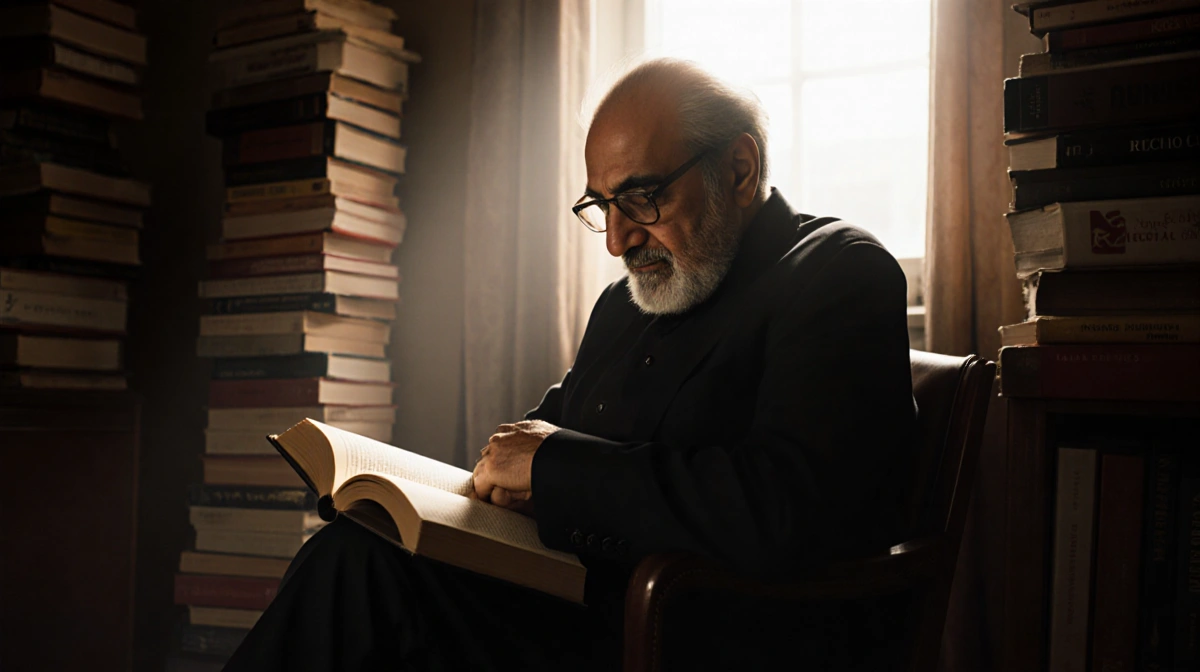
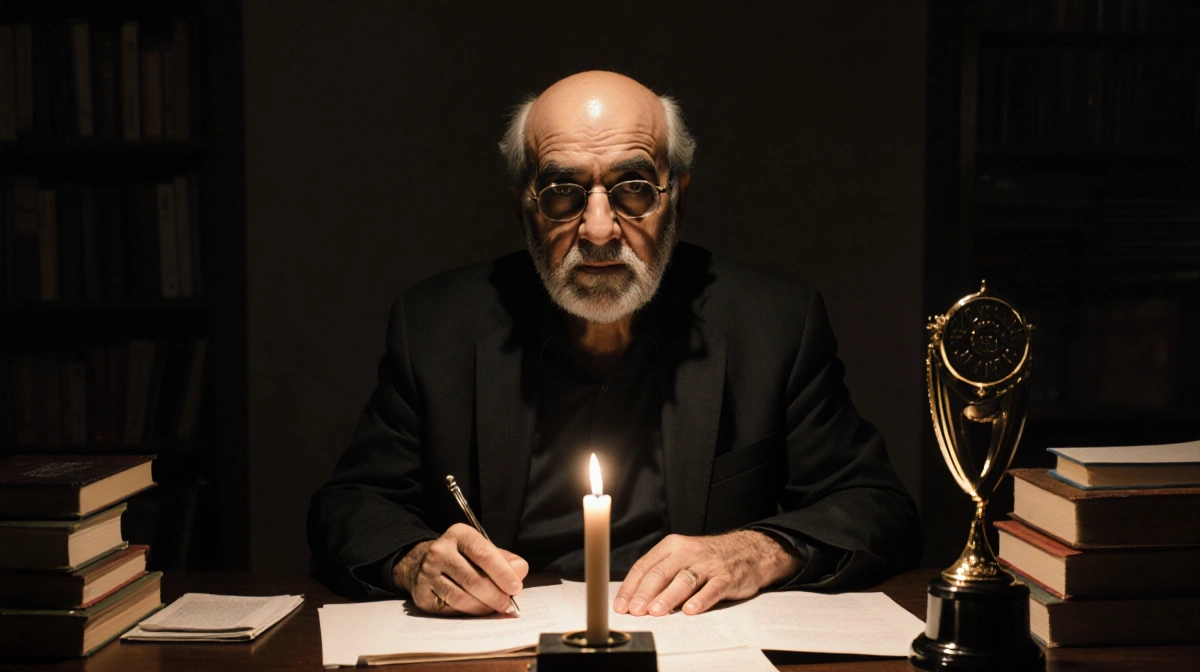
The 78-year-old novelist, who was stabbed repeatedly onstage in August 2022, tells The Hollywood Reporter he still pictures himself as nothing grander than “this guy in a room thinking of something to write.”
At a Glance
- Salman Rushdie says he views himself as a private person, not the global icon others see
- The author was blinded in his right eye and lost use of his right hand after a 2022 knife attack
- His memoir Knife details the physical and emotional aftermath of the assassination attempt
- Why it matters: Rushdie’s insistence on normalcy offers a rare look at how public figures reconcile private identity with public narrative
A Life in Shadows
Rushdie’s career has swung between literary triumph and mortal danger. He won the Booker Prize in 1981 for Midnight’s Children, a novel later voted “the best novel of all winners” on two separate occasions. The accolades turned to threats after he published The Satanic Verses in 1989; some readers considered the book blasphemous in its portrayal of the Prophet Muhammed.
Iran’s leader, Ayatollah Ruhollah Khomeini, responded by issuing a fatwa calling for Rushdie’s death. The author spent the next decade in hiding until the Iranian government revoked the order in the late 1990s.
The Attack
On August 12, 2022, Rushdie was preparing to speak at the Chautauqua Institution literary festival in western New York when 24-year-old Hadi Matar rushed the stage and stabbed him 18 times. Emergency surgery saved Rushdie’s life, but the injuries left him blind in his right eye and unable to use his right hand.
Matar pleaded guilty to attempted murder and is now serving a 25-year sentence.
Private vs. Public Self
In the THR profile, Rushdie draws a sharp line between the man he knows and the figure the world discusses.
> “I don’t think of myself as a symbol,” he said. “I think of myself as a private person – lover of my beloved people, father of my children. I know there’s this other me that’s out there, and that’s okay.”
He acknowledges that “Other Me” has become either hero or villain depending on the audience:
- In parts of the world, that version is a “bogeyman”
- Elsewhere, the same figure is viewed more positively
- Both interpretations, he says, “feel okay”
Family and Marriage
Rushdie has married five times:
- Clarissa Luard
- Marianne Wiggins
- Elizabeth West
- Padma Lakshmi
- Rachel Eliza Griffiths – wed in 2021
He has two sons: Zafar with Luard and Milan with West.
Processing Violence
Rushdie’s memoir Knife: Meditations After an Attempted Murder, released months before Matar’s trial, explores the psychological toll of the attack. In an excerpt that ran in News Of Los Angeles, Rushdie wrote about the disorientation that follows violence:
> “On some days I’m embarrassed, even ashamed, by my failure to try to fight back. On other days I tell myself not to be stupid, what do I imagine I could have done? This is as close to understanding my inaction as I’ve been able to get: The targets of violence experience a crisis in their understanding of the real.”
A Return to Routine
Despite the physical damage and ongoing security concerns, Rushdie told THR he had begun to resume normal activities once the fatwa threat appeared to subside in the late 1990s. The 2022 attack shattered that relative calm, yet his self-image remains unchanged: a writer alone with his thoughts, not a global lightning rod.
Key Takeaways
- Rushdie separates his private identity from the public narratives built around him
- The stabbing left lasting physical injuries but did not alter his core self-perception
- His memoir offers an unvarnished account of surviving an assassination attempt
- The author’s insistence on normalcy underscores the tension between art, fame, and personal safety