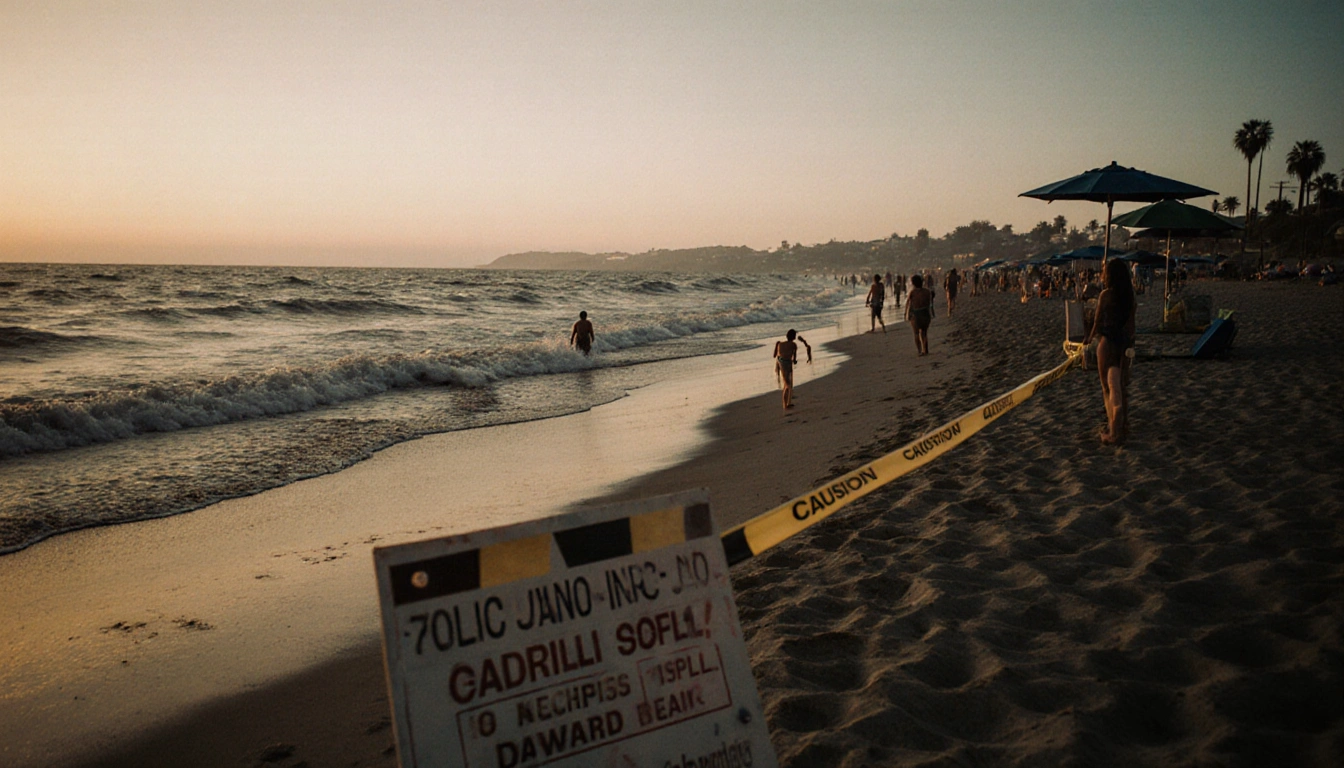
On Thursday, authorities in San Pedro shut down Cabrillo Beach after a spill of approximately 100,000 gallons of sewage. The closure covers an area extending three-quarters of a mile both upstream and downstream from the beach, creating a 1.5-mile stretch of coastline that is now off limits.
Closure Details
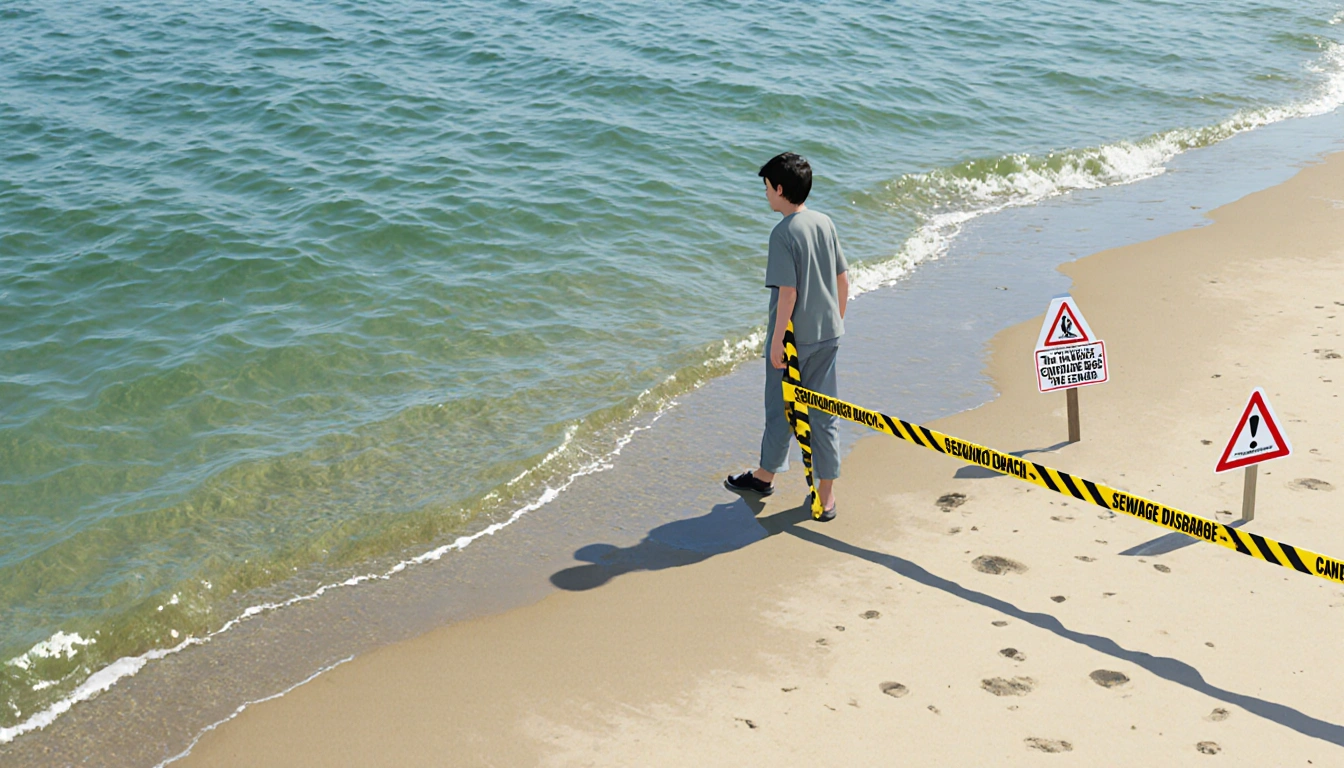
The Los Angeles County Department of Public Health issued the closure order and defined the affected zone. The department explained that the release impacted asphalt and flowed onto the nearby beach, contaminating both the sand and the ocean water.
Public Health Advisory
“Public Health officials are advising residents or visitors to avoid contact with ocean water and wet sand in the areas noted above. The release impacted the asphalt and flowed to the nearby beach, affecting both the sand and ocean water,” the department said.
Investigation and Monitoring
Officials will conduct water sampling to determine bacterial levels. The closure will remain in effect until Public Health receives sampling results indicating that bacterial levels meet health standards.
How to Stay Updated
Information on beach conditions is available 24 hours a day through the county’s beach closure hotline at 1-800-525-5662.
Key Takeaways
- Approximately 100,000 gallons of sewage were released.
- The closure covers a 1.5-mile stretch of coastline.
- Residents can call the hotline 24/7 for updates.
The closure underscores the importance of monitoring water quality and ensuring public safety in the event of environmental incidents.