At a Glance
- US consumers now receive an average of eight spam calls per week, according to Hiya’s 2023 analysis of 221 billion calls.
- Victims who fall for phone scams lost an average of $2,257 in 2023, a 527% increase from the previous year.
- The most effective defense against scam calls is simple: don’t answer unknown numbers and let calls go to voicemail.
- Why it matters: Phone scams are becoming more sophisticated with AI voice impersonation, making traditional blocking technologies increasingly ineffective.
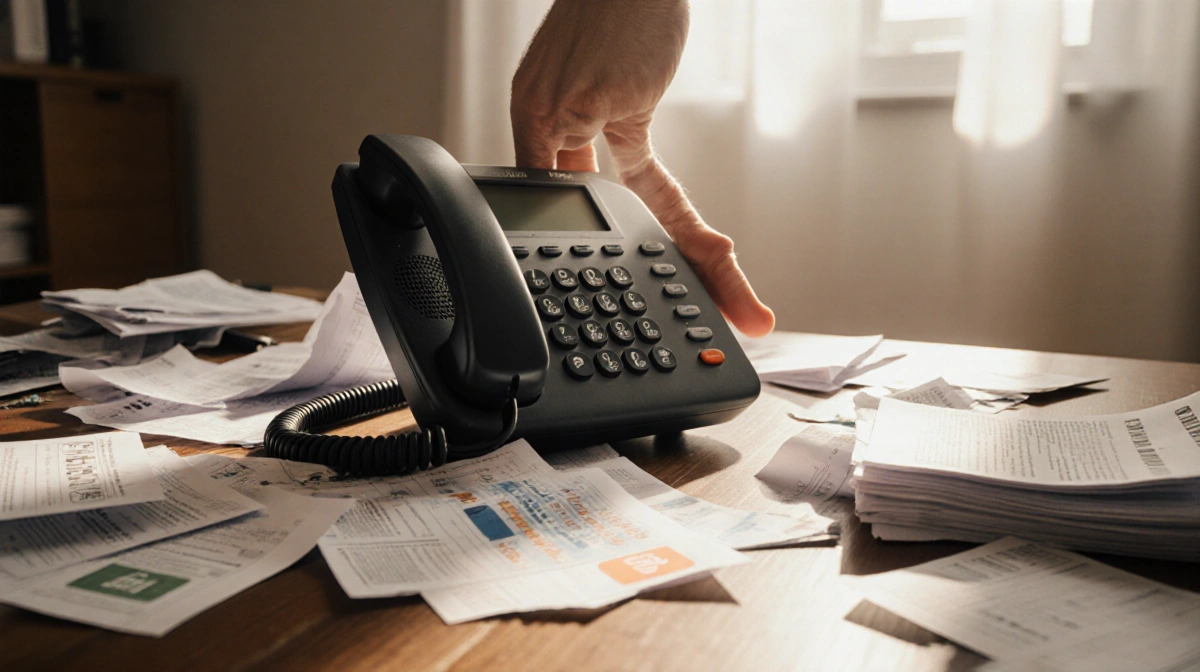
Spam calls have reached epidemic levels, with Americans receiving an average of eight unwanted calls per week. While regulators and technology companies have implemented various solutions, the simplest and most effective strategy may be the most obvious one: stop answering your phone when you don’t recognize the caller.
Spam Calls Surge to Record Levels
The numbers are staggering. Voice security company Hiya analyzed 221 billion phone calls made during 2023 and surveyed thousands of consumers. Their findings reveal that spam calls aren’t just a minor annoyance-they’ve become a daily intrusion for most Americans.
The financial impact is severe. Among those who reported falling for phone scams, the average loss was $2,257. This represents a 527% increase over the previous year, indicating that scammers are becoming both more sophisticated and more successful.
AI technology is amplifying the threat. Scammers now use artificial intelligence to impersonate influential people, making their schemes more convincing. During the 2024 election season, the Federal Communications Commission banned AI-powered robocalls after a Texas company created a robocall impersonating President Joe Biden, telling Democrats not to vote in the New Hampshire primary. The FCC proposed a $6 million fine for this incident.
Current Technologies Fall Short
The telecommunications industry has attempted to combat scam calls through various technological solutions. In 2021, the FCC mandated that all major voice providers adopt Stir/Shaken technology, which verifies call origins to improve Caller ID accuracy. Congress has also passed legislation requiring carriers to track their anti-robocall efforts.
In December 2023, the FCC adopted additional rules to strengthen existing policies by making it harder for telemarketers to send unwanted calls and texts to consumers.
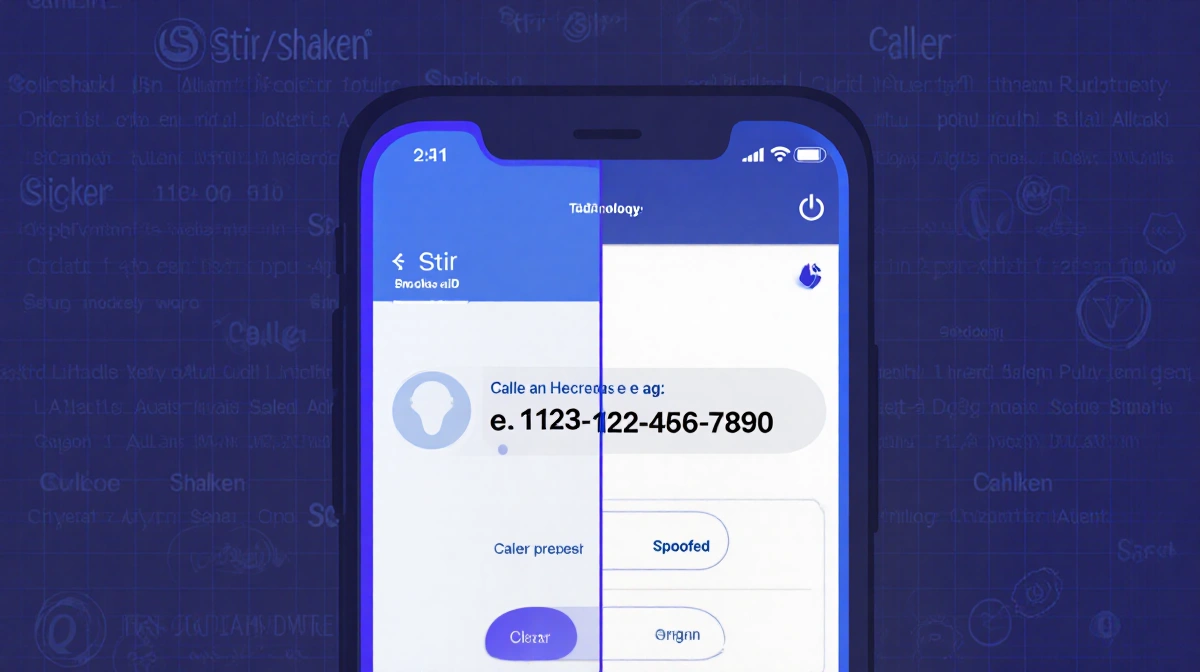
However, these technological solutions have proven inadequate. Margot Saunders, senior counsel at the National Consumer Law Center, explained the fundamental flaw: “We have been maintaining for some time that Stir/Shaken is not working to ensure accurate caller ID (which is all it is designed to do), because voice service providers are able to rent thousands of phone numbers to telemarketers and scammers that allow the callers to technically comply with Stir/Shaken without revealing meaningful or accurate caller ID.”
Saunders noted that “the numbers of unwanted calls are about the same as they have been for years.”
While she believes the FCC’s December 2023 changes will eventually reduce telemarketing calls, there’s a significant delay before implementation. “It does not go into effect until early 2025, and it will take a while for the litigation to have a beneficial impact,” she said. “Most telemarketing calls are made on behalf of US corporations, and only the threat of costly litigation is likely to reduce these calls.”
The Simple Solution: Don’t Answer
Despite numerous technological approaches, the most effective defense against scam calls requires no technology at all. The FCC’s guidance focuses on what consumers shouldn’t do rather than relying on blocking services.
Key precautions include:
- Don’t assume local prefixes indicate legitimate calls
- Don’t respond to prompts asking you to press buttons or answer questions
- Never say “Yes” to unknown callers
- Don’t trust claims of representing companies or government agencies-hang up and call verified numbers instead
- Recognize that organizations like the IRS typically contact people through mail, not phone calls
The most radical yet effective approach is simply not answering calls from unknown numbers. Unless the Caller ID shows a contact from your phone or you recognize the number, assume it’s a scammer.
Even answering with “Hello” can trigger more scam calls, as this confirms to scammers that a human answers that number. Your number may then be sold to other companies, creating a cycle of increasing spam.
Managing Important Calls
The primary concern with ignoring unknown calls is potentially missing important communications. However, there are practical ways to handle this:
Let unknown calls go to voicemail. Most phones display pending messages with rough voice transcriptions, allowing you to quickly identify legitimate callers. Unknown callers leaving 4-second messages are typically scammers, while longer messages can be reviewed without listening to the entire recording.
On iPhones, pressing the Sleep/Wake button once stops ringing on your end while allowing the caller to continue hearing rings until the call goes to voicemail. This prevents alerting scammers that you’ve actively rejected their call.
Both iPhone and Android offer built-in features to filter unknown calls:
- iPhone: Settings > Phone > Silence Unknown Callers enables this feature
- Android: Filter Spam Calls in the Phone app’s settings, or use Call Screen features depending on the device
Advanced screening options include:
- Apple Live Voicemail (iOS 17+): Transcribes messages in real-time while callers leave them, allowing you to intercept important calls
- Google Call Screen: Uses Google Assistant to answer calls, interact with callers, and create real-time transcripts
Google demonstrated an enhanced version at I/O 2024 that uses Gemini AI to monitor ongoing calls and alert users to potential scams.
However, Saunders expressed skepticism about these tools’ effectiveness: “We believe these tools are not useful for several reasons,” noting that only knowledgeable and careful consumers are likely to use them, and that privacy implications of live monitoring are potentially enormous.
She emphasized that “the best way to stop the illegal calls is to punish the providers who originate and transmit them. This point has been made time and again to the FCC.”
The Path Forward
While technological solutions continue evolving, the most immediate and effective protection against phone scams is behavioral. As scammers become more sophisticated-using AI to mimic voices of friends or family members-consumers must adapt by being more cautious about which calls they answer.
The telecommunications industry and regulators continue working on long-term solutions, but for now, the simplest approach remains the most reliable: if you don’t recognize the number, don’t answer the phone.
Let voicemail filter your calls. Check messages at your convenience. Return calls only to those who leave legitimate messages. This straightforward strategy offers the best protection against the growing epidemic of phone scams.