At a Glance
- Seven naturally mummified cheetahs discovered in Saudi Arabia’s Lauga cave network
- Radiocarbon dating places the remains between 150 and 4,000 years old
- Genomic sequencing links youngest specimen to the Asiatic cheetah
- Why it matters: Findings could guide reintroduction of the right cheetah subspecies to the Arabian Peninsula
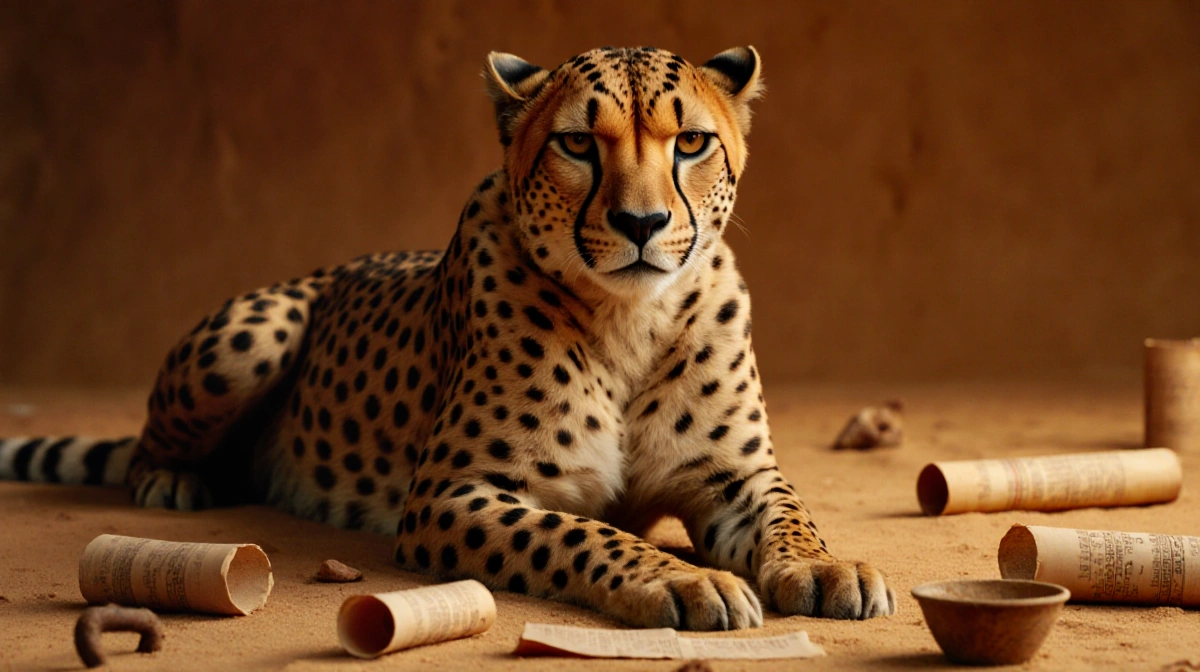
A cache of naturally mummified cheetahs has been uncovered in a remote cave system in northern Saudi Arabia, offering fresh clues for conservationists trying to bring the big cats back to the region.
The remains-seven complete mummies and 54 skeletal specimens-were located in the Lauga cave network near Arar, according to a study published Jan. 15 in Communications Earth and Environment. Researchers describe the find as a “serendipitous discovery” made while surveying the underground passages.
Radiocarbon Dates Span 4,000 Years
Radiocarbon analysis shows the oldest bones date to roughly 4,000 years ago, while the most recent remains are only about 150 years old. The wide time frame captures cheetah populations from ancient, historic, and near-modern periods on the Arabian Peninsula.
Lead author Sophia A. Reynolds reported that the overlapping eras allow scientists to track genetic changes across millennia within a single landscape.
DNA Reveals Subspecies Shifts
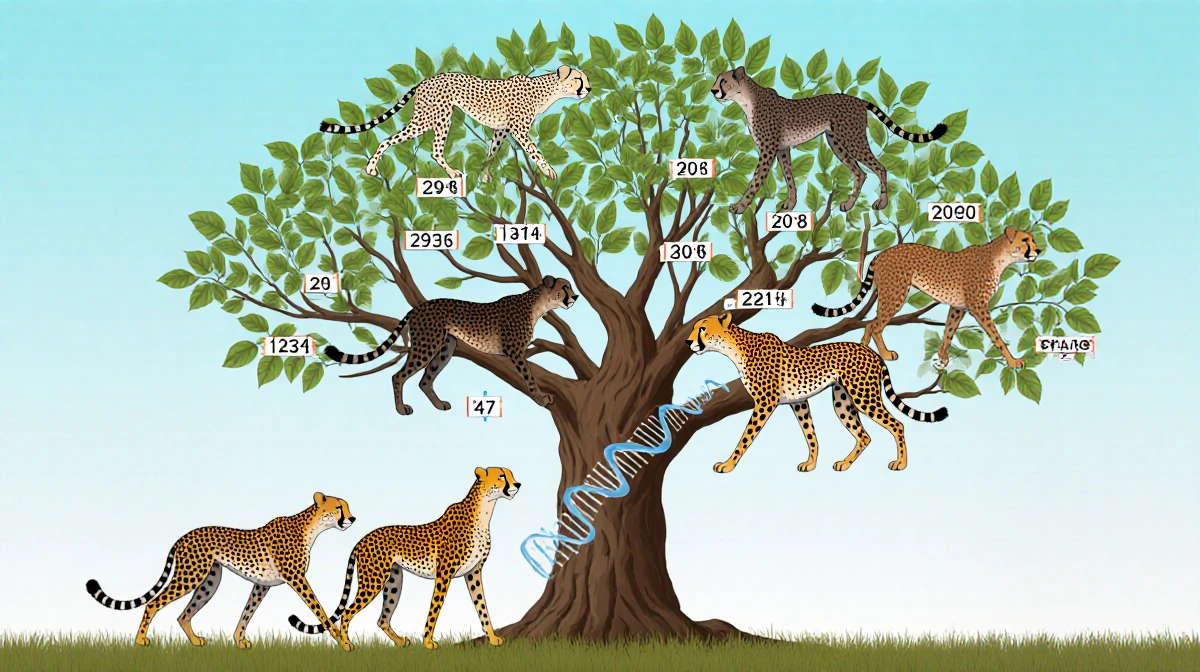
Genomic sequencing revealed a clear shift in cheetah lineages over time:
- Youngest mummy – genetically clusters with the modern Asiatic cheetah, today restricted to Iran
- Older specimens – align with the Northwest African cheetah, a subspecies now found in the Maghreb
The data confirm that two distinct cheetah groups historically occupied the area, replacing one another as climate and habitat shifted.
Conservation Payoff
Study authors emphasize that choosing the correct subspecies is critical for upcoming reintroduction programs. Animals whose genetics match the most recent native population are more likely to thrive in the local desert and semi-arid zones.
Releases that ignore historical lineage risk introducing cats poorly suited to the peninsula’s heat, prey base, and terrain.
Global Cheetah Crisis
Today cheetahs occupy roughly 10 percent of their former global range, according to the World Wildlife Fund. The International Union for Conservation of Nature estimates only 6,500 individuals remain in the wild, classifying the species as vulnerable due to ongoing population decline.
The small Iranian population-fewer than 50 Asiatic cheetahs-is listed as critically endangered, making the Saudi mummies an invaluable genetic reference.
Next Steps
Researchers plan to extract and sequence more DNA from the 54 skeletal remains to create a detailed timeline of when each subspecies dominated the region. Conservation managers in Saudi Arabia say the findings will feed directly into site selection and breeding plans for a proposed national cheetah restoration program.
Key Takeaways
- Lauga caves yielded the largest cheetah mummy collection ever documented in the Middle East
- Genetic results favor using Asiatic cheetahs for future Arabian Peninsula reintroduction
- The 4,000-year archive shows how quickly megafauna ranges can collapse, reinforcing the urgency of modern conservation action