
At a Glance
- Senate race map widens to more states next year.
- Democrats must win four seats, including two Trump-won states.
- Republicans aim to hold and possibly expand their majority.
- Why it matters: The Senate composition will shape policy and election outcomes for the next two years.
The 2026 Senate race is shaping up to be a high-stakes contest, with both parties eyeing a handful of key states. Democrats need to flip four seats to take control, while Republicans focus on retaining their advantage.
Core Senate Battlegrounds
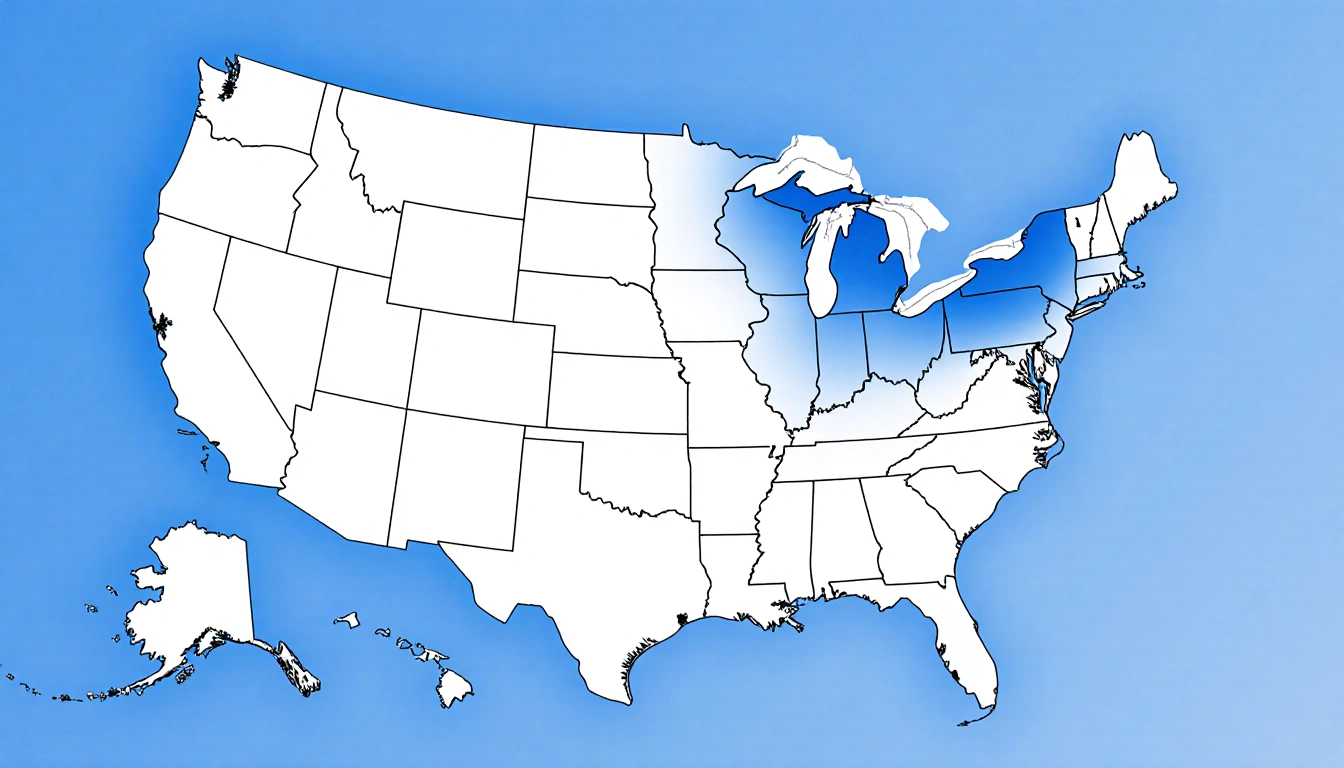
The four states that will decide control are Maine, North Carolina, Georgia, and Michigan. Each has a mix of incumbents and challengers, with candidates already outlining their priorities.
- Maine – Sen. Susan Collins is the lone GOP incumbent in a state the Democrat won by nearly 7 points. Collins won re-election in 2020 by 9 points, even as Trump lost by a similar margin. She said at a recent Punchbowl News event:
Sen. Susan Collins said:
> “I still plan to run for re-election.”
The Democratic primary pits Gov. Janet Mills against veteran Graham Platner. Mills, the only Democrat to win a statewide race in Maine in 20 years, is seen as the strongest challenger.
- North Carolina – Former Gov. Roy Cooper faces former RNC Chair Michael Whatley in the general election. Whatley, endorsed by Trump, also faced a last-minute primary challenge from far-right Michele Morrow. Cooper’s record and health-care focus could flip the seat.
- Georgia – Incumbent Sen. Jon Ossoff is the only Democrat running in a Trump-won state. Republicans target him, portraying him as a far-left progressive. The GOP primary includes Buddy Carter, Mike Collins, and former coach Derek Dooley, who has the governor’s endorsement.
- Michigan – Retired Sen. Gary Peters left the seat open. Republicans coalesce around former Rep. Mike Rogers, while the Democratic primary features moderate Haley Stevens, state Sen. Mallory McMorrow, and progressive physician Abdul El-Sayed.
Expanding the Map: Additional Key States
Beyond the core four, the Senate map now stretches to Ohio, New Hampshire, Texas, Iowa, Alaska, and Minnesota, each offering a potential swing.
- Ohio – Former Sen. Sherrod Brown is challenging GOP Sen. Jon Husted. Brown’s experience could make the special election competitive, especially after a $480 million ad spend in the last race.
- New Hampshire – With Sen. Jeanne Shaheen retiring, Republicans back former Sen. John Sununu while Democrats rally behind Rep. Chris Pappas.
- Texas – The GOP primary features Sen. John Cornyn, Attorney General Ken Paxton, and Rep. Wesley Hunt. A three-way race could trigger a runoff if no candidate secures a majority. Democrats face a contested primary between Rep. Jasmine Crockett and Rep. James Talarico.
- Iowa – GOP Sen. Joni Ernst is retiring. Republicans coalesce around Rep. Ashley Hinson; Democrats have a primary between Rep. Josh Turek, Sen. Zach Wahls, and veteran Nathan Sage.
- Alaska – Former Rep. Mary Peltola may run against GOP Sen. Dan Sullivan. Sullivan has indicated he could face a competitive race.
- Minnesota – Republicans await a top-tier candidate; Democrats see Rep. Angie Craig and Lt. Gov. Peggy Flanagan battling for the open seat.
Potentially Competitive Races
Other states with open or contested seats-such as New York, Florida, and Colorado-could also tilt the balance, depending on primary outcomes and candidate strength.
Key Takeaways
- Democrats must win four seats, including two Trump-won states, to control the Senate.
- Republicans aim to hold and possibly expand their majority, relying on Trump-aligned candidates.
- The race map now includes 10 key states, with Ohio, New Hampshire, Texas, Iowa, Alaska, and Minnesota adding new battlegrounds.
As primaries heat up, the 2026 Senate map will reveal which states will be the decisive battlegrounds for control of Washington.