At a Glance
- Sian Chathyoka, 56, diagnosed with aggressive myelofibrosis in September 2025.
- She discovered there is only one donor on the worldwide register.
- The single match could enable a life-saving stem cell transplant.
- Why it matters: Her story highlights the critical need for more registered donors to treat rare blood cancers.
Sian Chathyoka, a single mother from Wales, has become a voice for those battling rare blood cancers after learning that only one stem cell donor on the global register could save her life.
Diagnosis and Early Symptoms
In September 2025, Chathyoka was the only patient in the Welsh cities of Swansea and Cardiff diagnosed with a form of myelofibrosis, a rare blood cancer, according to the charity Anthony Nolan. She had been an active swimmer and managed a family seaside campsite before the disease took hold.
She began experiencing
- extreme fatigue that left her unable to perform daily activities,
- an unintentional 5-pound weight loss, and
- a feeling of heaviness in her upper left abdomen.
After reporting these symptoms, doctors ordered a CT and MRI scan, which revealed an enlarged spleen. She was then referred to the haematology department, where she was eventually diagnosed with myelofibrosis.
> “Since August, I’ve just been lying in bed because I’ve had no energy. I’ve had such a level of fatigue, I haven’t been able to do anything, and it’s been quite scary,” she told Anthony Nolan.
Treatment Journey
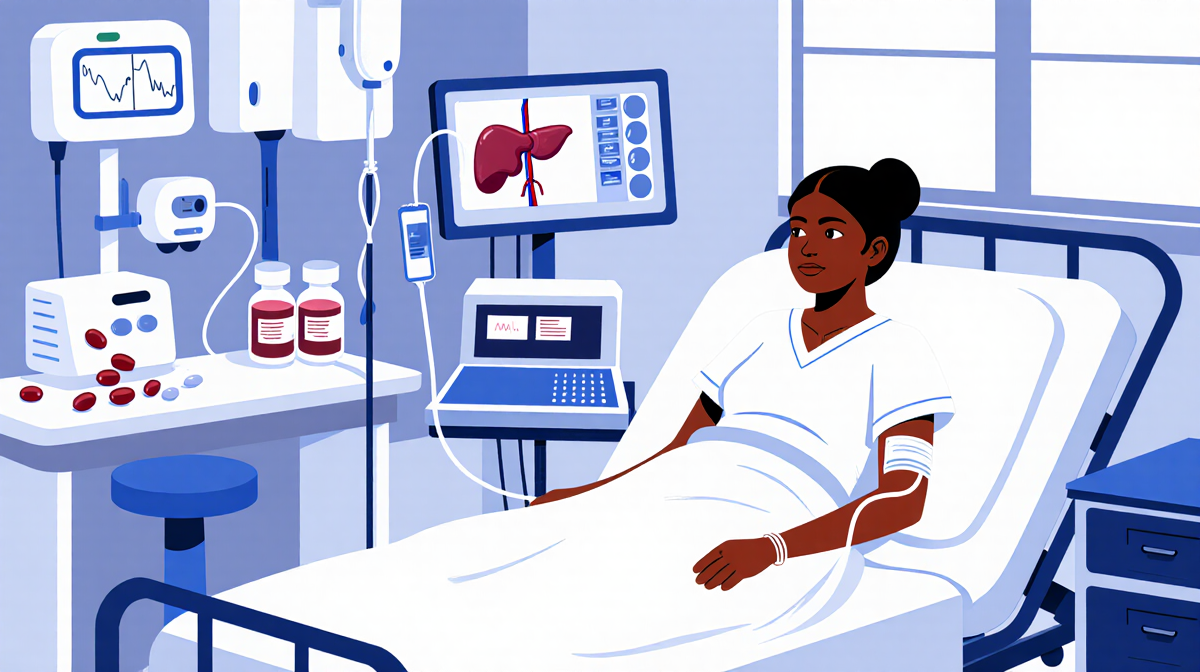
Following her diagnosis, Chathyoka has received weekly blood and platelet transfusions and treatment to shrink her enlarged spleen. The disease is described by the Cleveland Clinic as a process where a stem cell transforms into a cancer cell, crowding out healthy blood cells and releasing substances that damage bone marrow.
> “I couldn’t stop crying,” she said, per Anthony Nolan. “My condition is very rare and I’ve been told my disease is aggressive as well.”
The Search for a Donor
This month, Chathyoka discovered that there is just one donor on the worldwide register who matches her. She expressed gratitude for the possibility of a cure through a stem cell transplant and highlighted how little people know about these life-saving procedures.
> “I’m lucky. I’m grateful that there is the possibility of a cure through a stem cell transplant,” she said.
She added, “What I have realized throughout this process is that nobody knows about stem cell transplants. A lot of my friends didn’t have a clue. That’s why I want to raise awareness by sharing my story.”
> “Just signing up to the register, you can literally save a life. I feel really emotional because that’s as powerful as it is,” she concluded.
How Stem Cell Transplants Work
Stem cells can be collected from
- bone marrow,
- peripheral blood, or
- umbilical cord blood.
According to the American Cancer Society, donors must answer health questions, undergo a physical assessment, and complete blood testing before donation. The process is designed to ensure safety for both donor and recipient.
The Campaign: SignUpForSian
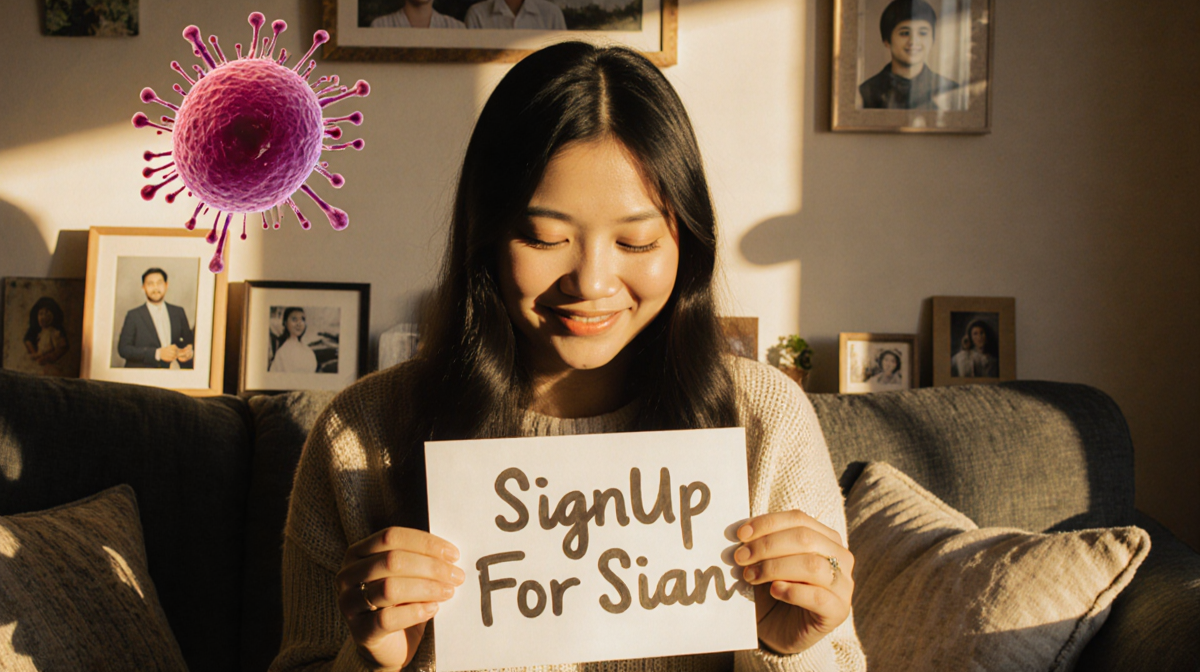
Chathyoka has teamed up with Anthony Nolan for the “SignUpForSian” campaign, urging people worldwide to register as potential stem cell donors. The campaign aims to expand the donor pool and increase the chances of finding matches for patients with rare blood cancers.
| Step | Action | Purpose |
|---|---|---|
| 1 | Sign up on the worldwide donor register | Create a profile that can be matched to patients |
| 2 | Complete health questionnaire | Ensure donor eligibility |
| 3 | Undergo physical assessment & blood tests | Verify donor safety and suitability |
| 4 | Donate stem cells | Provide life-saving material for transplant |
Key Takeaways
- Sian Chathyoka is battling aggressive myelofibrosis and has only one potential donor match.
- Her story underscores the importance of public awareness and participation in stem cell donor registries.
- Stem cell transplants can cure rare blood cancers, but they rely on a small pool of registered donors.
- The “SignUpForSian” campaign is a call to action for anyone who can consider becoming a donor.
By sharing her journey, Chathyoka hopes to inspire more people to register and potentially save lives.