At a Glance
- Rinsing after brushing removes fluoride, reducing its protective effect.
- Dentists recommend waiting 15-20 minutes before rinsing to let fluoride work.
- Using floral-free mouthwash after brushing can still be beneficial if you wait.
- Why it matters: The extra time allows fluoride to strengthen enamel, especially for cavity-prone patients.
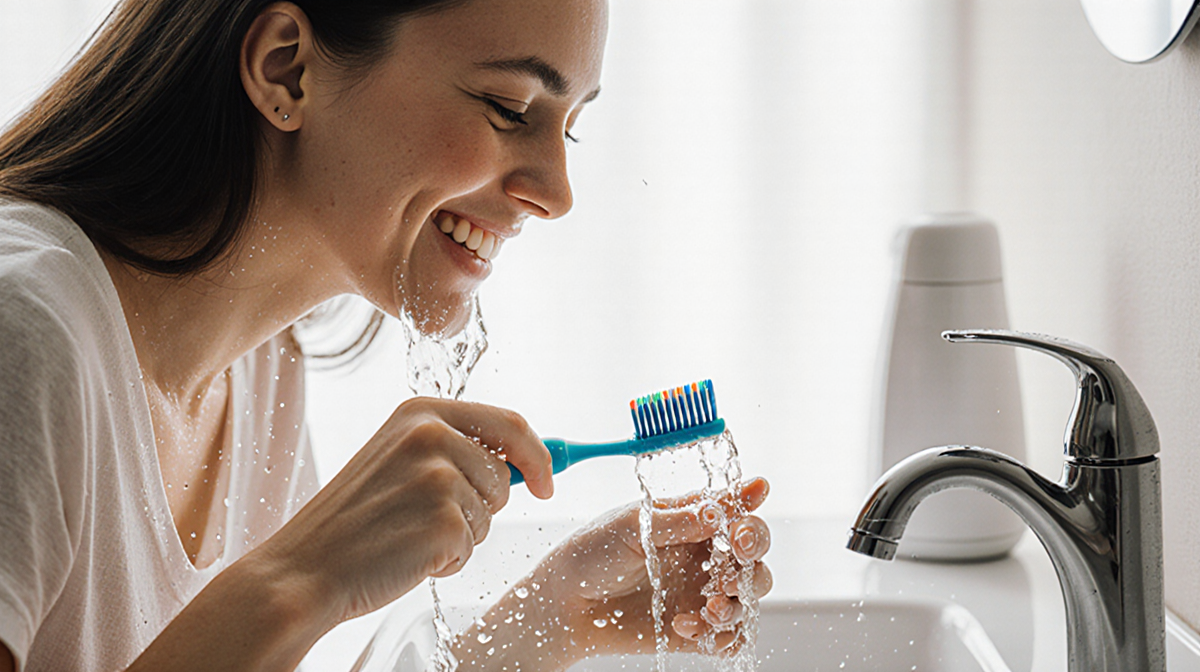
Dentists say that the simple act of rinsing after brushing can wash away the very fluoride that helps protect teeth. By holding off on rinsing for a short period, the fluoride has more time to work, potentially giving you stronger enamel and better cavity defense.
Why Rinsing Matters
The main benefit of fluoride in toothpaste is its ability to reinforce tooth enamel. When you rinse immediately with water, you wash away much of that fluoride before it can bond to the enamel. Dr. Whitney White, practice owner at Aspen Dental, explains:
> “Brush, spit and do not rinse with water,” she advises.
If you have been rinsing regularly, there’s no need for panic. Dr. Roopali Kulkarni, a consumer advisor spokesperson for the ADA, says:
> “If you’re accustomed to rinsing your mouth immediately after brushing, there’s no need for concern. As long as you brush your teeth for two minutes twice a day with a fluoride toothpaste and floss between your teeth once daily, you’re all good.”
However, Kulkarni agrees with White: Not rinsing after brushing allows the fluoride to fully do its job in strengthening tooth enamel.
Water vs. Mouthwash
Some people rinse with plain water, while others use mouthwash. The same principle applies to both. Kulkarni notes:
> “It’s best to still wait to rinse your mouth with a fluoride mouthwash after brushing, as mouthwash typically contains a lower amount of fluoride compared to your fluoride toothpaste.”
White prefers alcohol-free mouthwash after brushing because it can help protect against plaque buildup and gingivitis. She advises waiting to rinse even when using mouthwash.
| Rinse Type | Fluoride Concentration | Ideal Wait Time |
|---|---|---|
| Water | None | 15-20 minutes |
| Mouthwash | Lower than toothpaste | 15-20 minutes |
Both options benefit from a pause before rinsing.
Risks of Rinsing and Not Rinsing
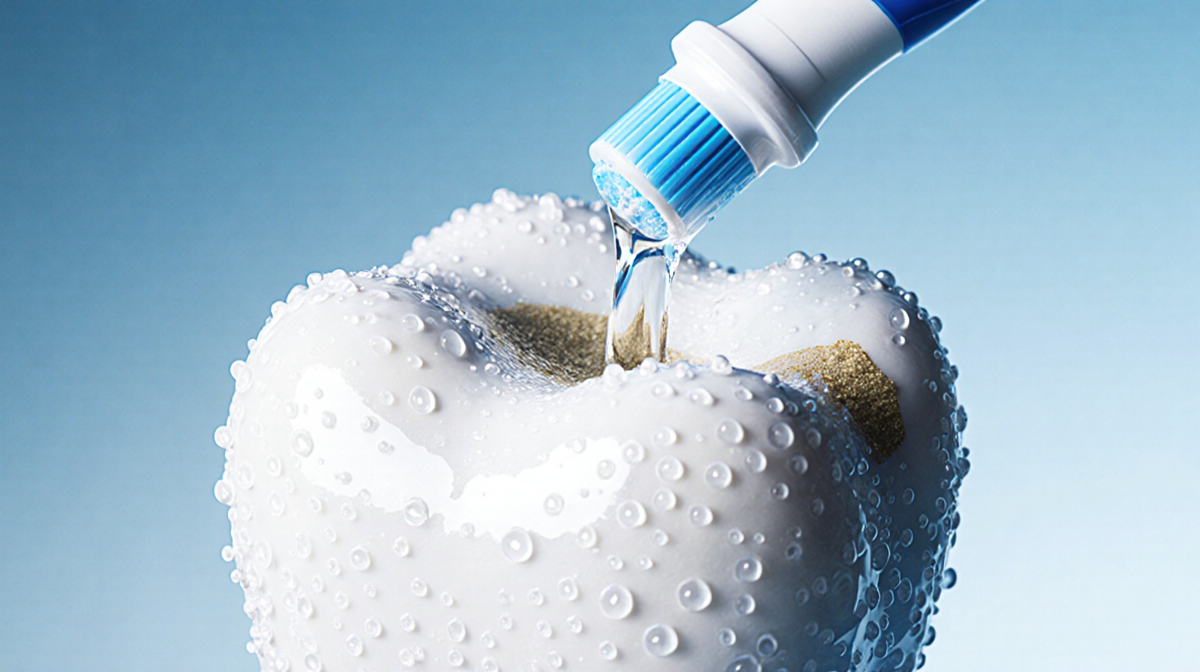
The only risk of rinsing after brushing is a decrease in fluoride effectiveness. Kulkarni emphasizes:
> “However, it’s most important that you use a fluoride-containing toothpaste. Any toothpaste that has the ADA Seal of Acceptance for its anticavity claims will contain fluoride.”
There are no risks associated with not rinsing after brushing. In fact, Kulkarni states that not rinsing after brushing can simply help the fluoride be more effective in protecting your teeth.
Patients prone to cavities may benefit most, as the fluoride strengthens enamel and makes it more resistant to cavity-inducing acids.
When to Wait
If you choose not to rinse immediately, wait 15-20 minutes before rinsing, whether you use water or mouthwash. This gives the fluoride ample time to interact with the enamel.
Brushing, Flossing, and Rinsing Order
There is no strict order for brushing and flossing, but consistency is key. Kulkarni advises:
> “Focus on brushing twice a day with a fluoride toothpaste, cleaning between your teeth daily with floss or an alternative interdental cleaner, eating a healthy balanced diet limited in sugar, and seeing your dentist regularly.”
White’s routine is slightly different:
- Floss first to loosen and remove food particles.
- Brush to further remove plaque and bacteria.
- Wait 20 minutes before rinsing with a fluoride mouthwash.
She adds:
> “Some people do prefer to brush first and then floss, which is totally OK. The most important thing is to consistently brush, floss and rinse.”
Bottom Line
Waiting 15-20 minutes before rinsing after brushing gives the fluoride in your toothpaste more time to work, which can be particularly beneficial if you’re prone to cavities. There is no harm in rinsing after brushing, but the extra pause maximizes fluoride’s protective effect.
If you have any questions or concerns about your oral health, consult your dentist and visit regularly to maintain a healthy smile. As Kulkarni notes:
> “There is no evidence to suggest that rubbing toothpaste on your teeth versus brushing toothpaste with a toothbrush has any added benefits. As long as you’re using a fluoride-containing toothpaste, it will help make enamel more resistant to cavity-inducing acids.”
White adds that while applying toothpaste directly to your teeth may provide a temporary fluoride coating, it is not a substitute for regular brushing, as it won’t remove plaque and debris. She does not recommend leaving toothpaste on your teeth overnight, citing a lack of reliable evidence for prolonged fluoride exposure.
The 2-2-2 rule refers to brushing your teeth twice a day, for two minutes each time, and visiting your dentist twice a year. Individuals with more complex dental needs may need to visit more often.
—