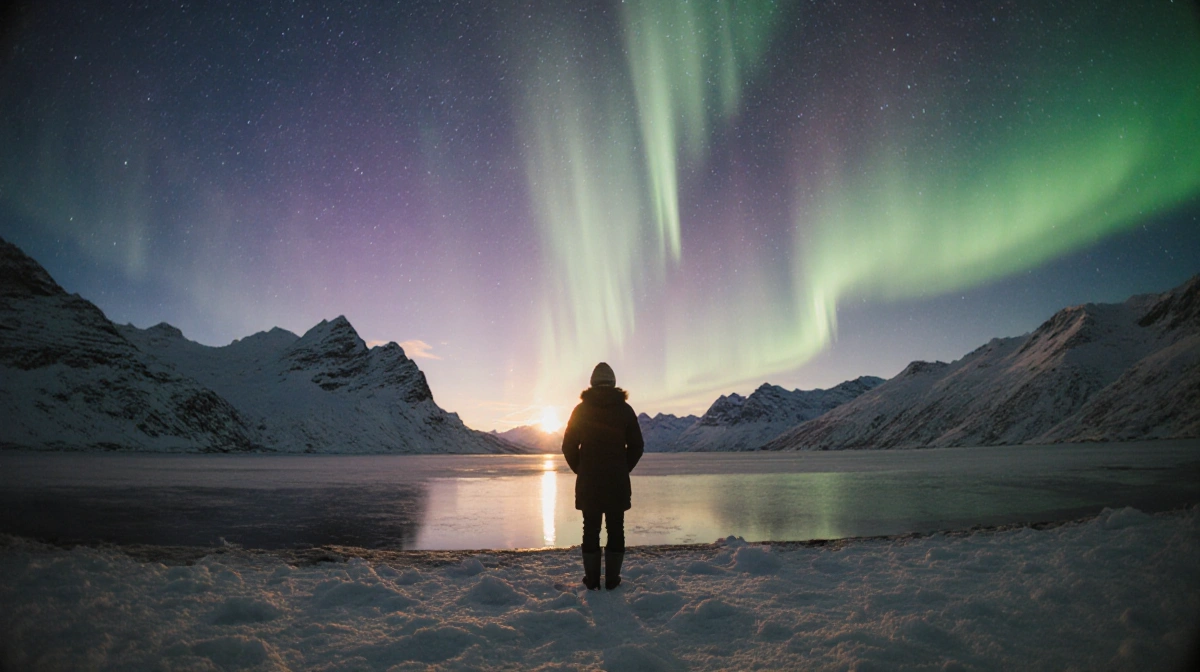
A severe geomagnetic storm is turning the night sky into a canvas of color across much of the United States, with the aurora borealis visible in states that rarely catch the spectacle.
At a Glance
- A powerful solar eruption triggered a severe geomagnetic storm on January 20, 2026
- The northern lights could be visible in roughly 27 states from Alaska to New Jersey
- Clear, dark skies offer the best viewing conditions for this rare widespread event
- Why it matters: This could be a once-in-a-lifetime chance for millions of Americans to see the aurora without traveling north
The burst of intense solar activity is expected to peak Tuesday night after a powerful wave of solar material slammed into Earth earlier this week. Space weather experts at the National Oceanic and Atmospheric Administration say this disturbance ranks near the top of NOAA’s geomagnetic storm scales, creating unusually favorable conditions for widespread visibility.
Where to See the Northern Lights
According to NOAA’s projected “view line,” parts of roughly 27 states fall within the viewing range on Tuesday, January 20.
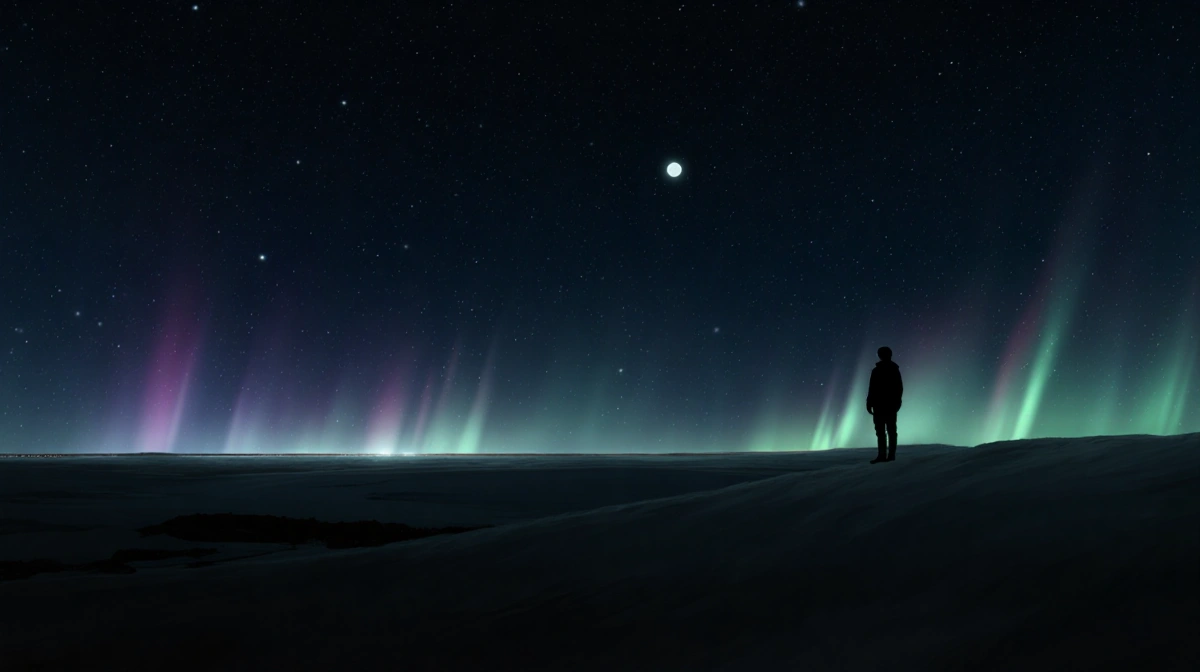
States within or near the forecast zone include:
- Alaska, Washington, Oregon, Idaho, Montana, Wyoming, Colorado
- North Dakota, South Dakota, Nebraska, Minnesota, Wisconsin, Iowa
- Missouri, Illinois, Indiana, Michigan, Ohio, Pennsylvania
- New York, New Jersey, Connecticut, Rhode Island, Massachusetts
- Vermont, New Hampshire and Maine
Southern states like Alabama and New Mexico already caught glimpses earlier this week, proving that stronger storms can defy expectations and push the lights farther south than typical forecasts suggest.
How to Watch and Photograph
Your best odds come after sunset and before dawn. Head somewhere dark, away from city lights, and give your eyes at least half an hour to adjust. Look north, scan the horizon, and be patient – auroras can fade in and out without warning.
For photography, you don’t need professional equipment:
- Turn on Night Mode (iPhone) or Pro Mode (Android)
- Turn off your flash and hold steady – use a tripod if available
- For DSLR cameras, use a wide-angle lens and longer exposures to capture colors and movement
The aurora borealis occurs when charged particles from the sun collide with gases in Earth’s atmosphere, creating brilliant waves of light. While this happens regularly, the visibility depends on several factors including storm intensity and location.
Clear skies are essential, and NOAA notes the display can stretch beyond forecasts if conditions align just right. This rare space weather event could deliver the most dramatic views yet, making Tuesday night potentially the main event after preliminary sightings across parts of the southern U.S. earlier in the week.