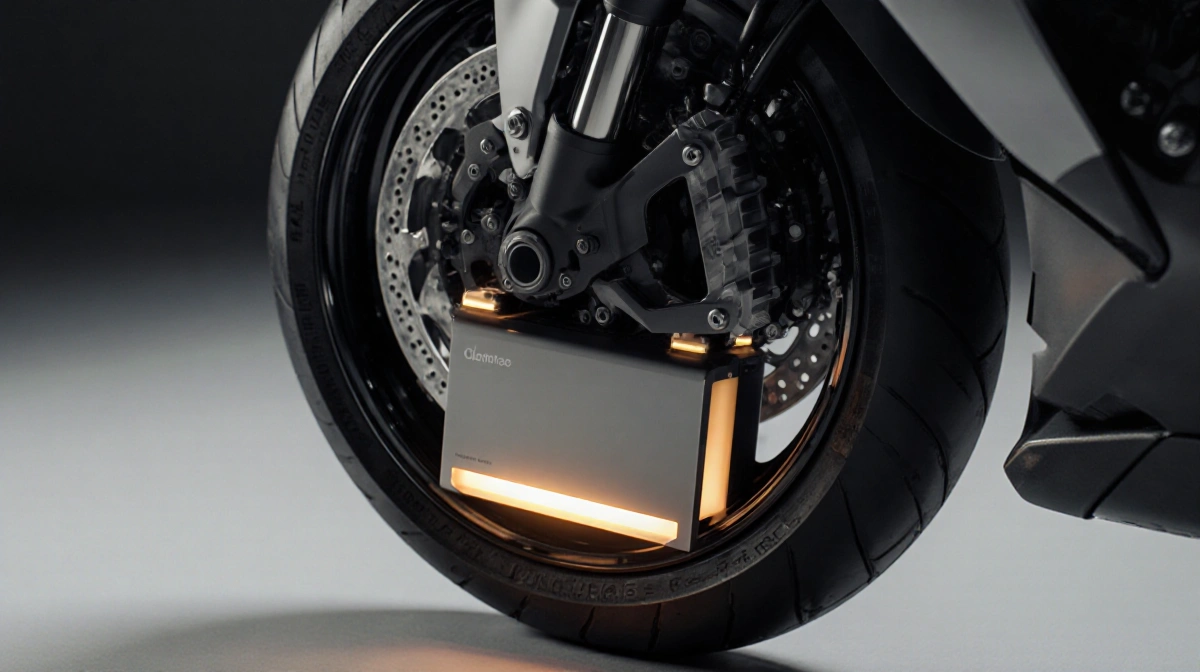
Solid-state batteries have moved from lab to road. Donut Lab’s first production pack will power Verge’s $29,900 TS Pro motorcycle, promising lighter weight, faster charging, and lower cost.
> At a Glance
> – Donut Lab supplies the world’s first production solid-state battery for Verge’s TS Pro motorcycle
> – Pack delivers 217-mile range and 200 kW charging, filling in under 35 minutes
> – Cells survive 100,000+ cycles and cost less than lithium-ion
> – Why it matters: Safer, longer-lasting, and cheaper batteries could accelerate EV adoption beyond bikes
After showcasing hubless motors at last year’s CES, Donut Lab returns with a battery breakthrough. The company’s smartphone-sized solid-state cells slot into 5 kWh console-shaped modules; four modules tuck inside the TS Pro’s frame where a conventional motor would sit, enabled by the bike’s hubless rear-wheel motor.
How the Tech Works
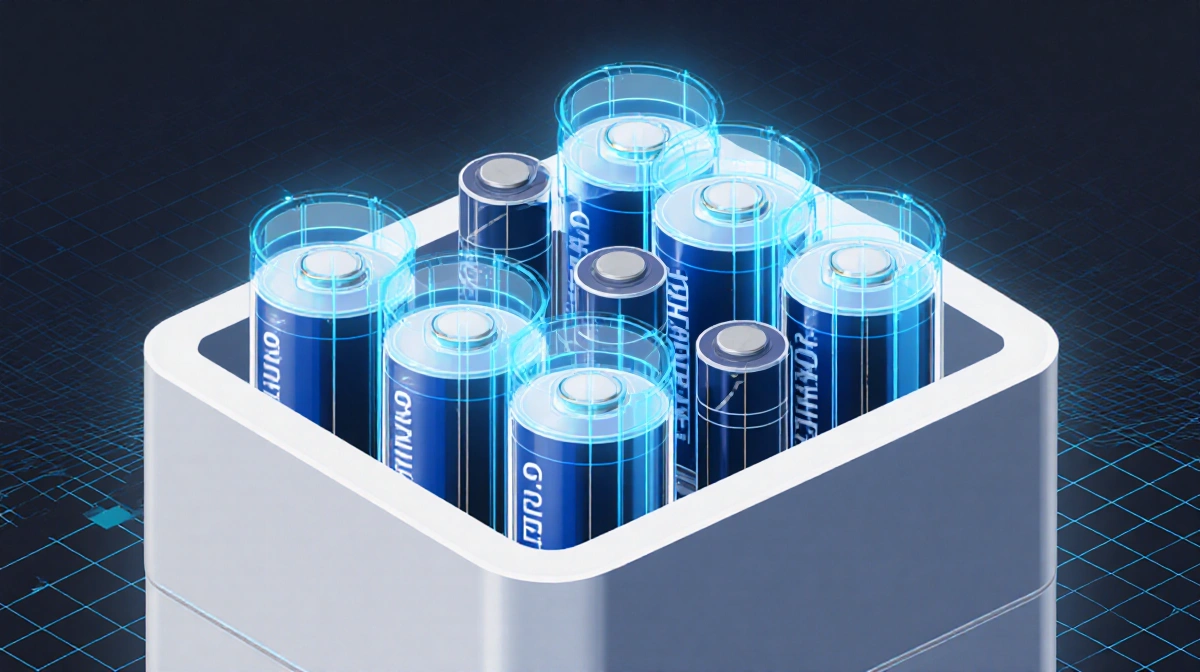
Each featherweight cell is roughly the size of an iPhone 17 Pro Max. Grouped into 5 kWh cartridges, they deliver:
- Higher energy density without added weight
- Thermal stability that curbs fire risk
- Rapid 200 kW charging without degradation fears
- 100,000+ charge cycles before noticeable fade
The result is a battery that weighs less, lives longer, and costs less to manufacture, according to Donut Lab and Verge.
Beyond Motorcycles
While the TS Pro is first, bigger vehicles are coming. Donut Lab also announced a partnership with Watt Electric Vehicles to integrate its in-wheel motors and inverter tech into a forthcoming lightweight car platform. Only the skateboard chassis has been shown at CES 2026, but more details are expected this week.
Key specs for the TS Pro:
| Metric | Value |
|---|---|
| Price | $29,900 |
| Range | Up to 217 miles |
| Peak charge | 200 kW |
| Charge time | <35 min |
| Cell cycles | 100,000+ |
Key Takeaways
- First production solid-state battery debuts on Verge TS Pro motorcycle
- Pack cuts weight, cost, and charge time while extending lifespan
- Donut Lab and Watt EV plan four-wheeled applications next
The arrival of solid-state tech in a consumer vehicle signals a pivotal shift-lighter wallets, lighter bikes, and a heavier blow to range anxiety.