At a Glance
- Space heaters can cut heating bills but pose fire risks.
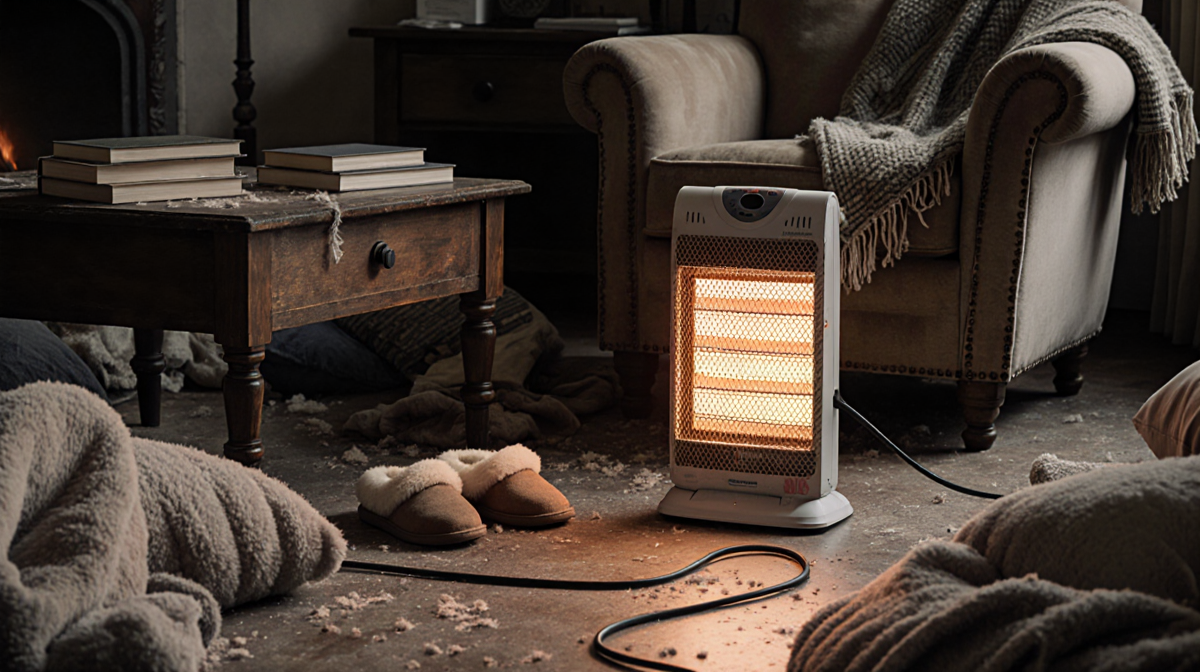
- Avoid placing them on flammable surfaces, near furniture, or in wet rooms.
- Keep them 3 feet from walls, pets, and children.
- Why it matters: Improper use can cause home fires and electrical hazards.
Space heaters offer a quick, economical way to warm a room, yet many homeowners unknowingly create fire and electrical dangers by placing them in unsafe spots. This guide outlines nine places where a space heater should never be, helping you keep your home warm and safe.
1. On Carpet, Rug, or Flammable Surfaces
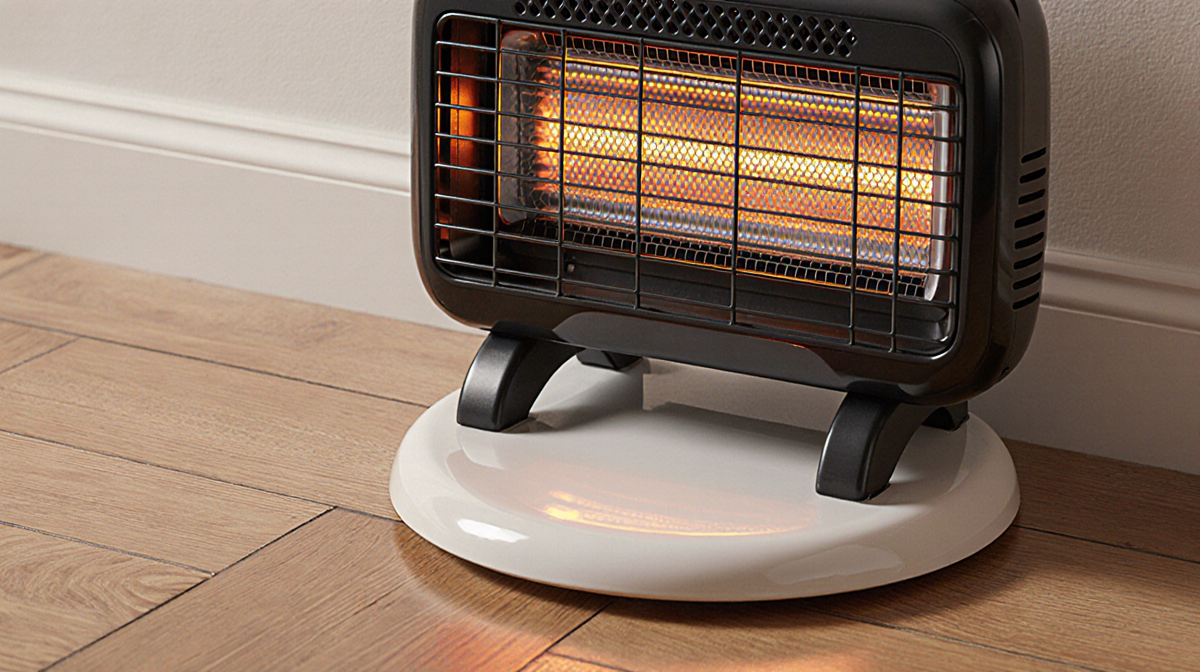
Space heaters cannot sit on surfaces that can scorch or ignite. Carpets and rugs are especially risky, as they can catch fire from the heater’s heat. Even hardwood or vinyl should be avoided for long periods. If you only have carpet in a cold room, place a ceramic or heat-proof base under the heater. The base should be 3 inches larger on all sides than the heater.
2. Near Walls and Furniture
A safety zone is essential. Keep the heater at least 3 feet away from walls, couches, tables, and other furniture. This distance prevents overheating and fire hazards. Under-desk or under-table placement is a no-go; instead, aim the heater toward the open area.
3. Near Blankets, Pillows, or Curtains
Flammable items pose a significant risk. A blanket, pillow, or curtain accidentally draped over a heater can ignite. Maintain a 3-foot clearance from any blankets, pillows, or hanging curtains.
4. In Pet or Child-Accessible Areas
Pets and small children can unknowingly tip over a heater or leave toys on it. Use space heaters only in rooms that are out of reach for young children and larger pets. Teach children to keep a wide berth and supervise pets around the heater.
5. In Bathrooms or Laundry Rooms
Water and heat mix poorly. In bathrooms and laundry rooms, the risk of electrical shock increases, and the heater can tip over more easily. Position heaters outside these rooms to reduce risk. If you must use one nearby, check that the circuit is not overloaded.
6. Plugged Into a Circuit with Many Appliances
Space heaters draw a large amount of current. Modern 15-amp outlets can handle them, but adding other appliances-kitchen gadgets, big entertainment systems-can overload the circuit. Overloading may trip the breaker or, worse, overheat wiring and spark a fire. Balance power use by alternating devices and monitor usage with smart plugs.
7. Through Extension Cords or Power Strips
Extension cords and power strips are often not rated for the high amperage a space heater needs. Using an extension cord with a power strip before connecting the heater amplifies danger. If a heater must be used in a remote spot, look for models that come with a wireless power cable. Avoid using extension cords and power strips altogether when possible.
8. In Old or Non-GFCI Outlets
A Ground Fault Circuit Interrupter (GFCI) shuts down outlets that detect a fault, protecting against shocks and overheating. Always plug the heater into a GFCI outlet. Avoid old outlets or those that have previously malfunctioned, as they increase the risk of wiring damage and fire.
9. Near Allergy Sufferers
Space heaters can stir up dust and allergens, especially if the room hasn’t been cleaned recently. For people with sensitive allergies, avoid using a heater near them or use alternative heating methods to reduce dust circulation.
Final Safety Tip
Never use fuel-based heaters indoors-such as kerosene or propane-unless they are vented properly. These heaters produce exhaust fumes that can build up carbon monoxide, a serious health hazard. Stick to electric or radiant heaters for indoor use.
When leaving home or heading to bed, always turn off the space heater. Leaving it unattended can lead to fire or electrical problems. By following these nine guidelines, you can enjoy a warm winter without compromising safety.
Key Takeaways
- Place heaters on heat-proof surfaces, not on carpets or rugs.
- Maintain a 3-foot distance from walls, furniture, and flammable items.
- Avoid bathrooms, laundry rooms, and overloaded circuits.
- Use GFCI outlets and avoid extension cords or power strips.
- Never leave heaters unattended and avoid fuel-based models indoors.
Staying mindful of these placement rules helps keep your home warm and safe throughout the cold season.