At a Glance
- A commuter train struck a collapsed wall near Barcelona on Jan. 20, killing 27-year-old trainee conductor Fernando Huerta
- 37 passengers were injured, five in serious condition, after the Rodalies train derailed outside Gelida station
- The accident follows a deadly two-train collision on Jan. 18 that killed at least 43 people in southern Spain
- Why it matters: Two major rail disasters within days have shaken public confidence in Spain’s heavily used train network and prompted union demands for urgent safety reforms
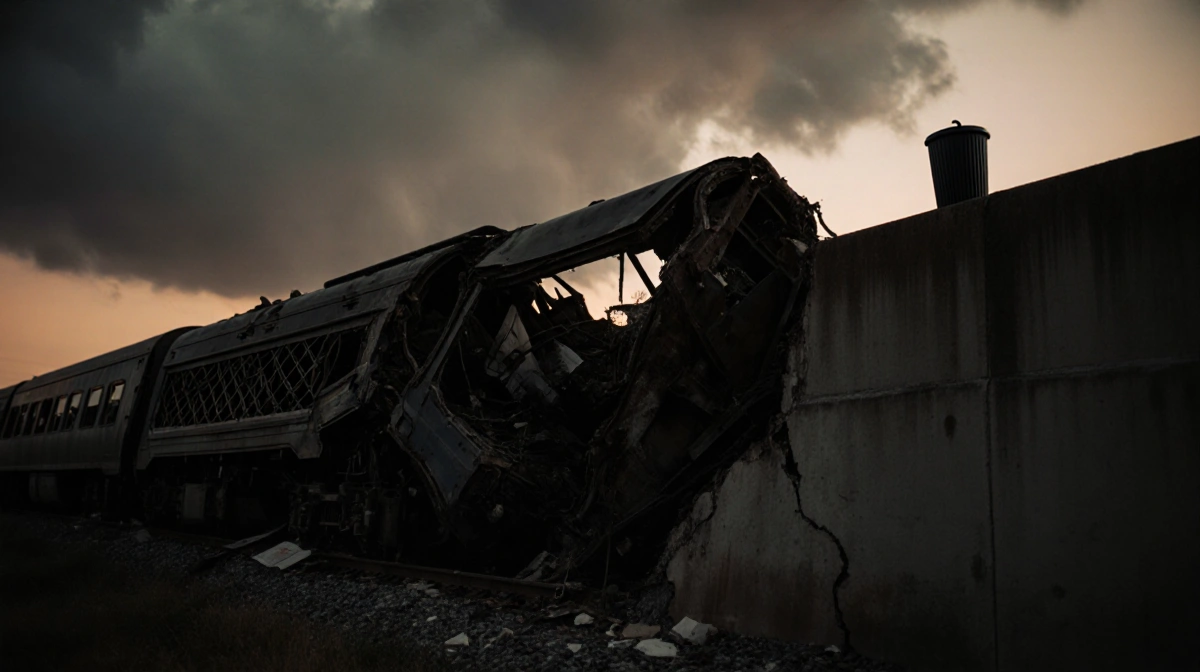
Spain is reeling from a second catastrophic rail accident in less than 72 hours after a commuter train crashed into a collapsed retaining wall northwest of Barcelona, claiming the life of a young conductor and injuring dozens more.
The incident occurred at 9:23 p.m. local time on Tuesday, Jan. 20, when the Rodalies train was approaching Gelida station, approximately 20 miles from Barcelona. According to a preliminary transportation ministry report, segments of a retaining wall had fallen onto the tracks-apparently triggered by recent heavy rainfall-leaving the train no time to stop.
Fernando Huerta, a 27-year-old trainee conductor from Seville, was identified as the fatality. Catalonian Emergency Medical Services confirmed that 37 others were injured, including five people listed in serious condition.
Service across the region was immediately suspended, stranding thousands of regular commuters who rely on the Rodalies line. The disruption is expected to continue while engineers assess track and wall stability along the affected corridor.
Albert Dalmau Miranda, acting president of Catalonia, voiced his condolences on social media: “I deeply regret the death of one of the trainee machinists in the train accident at R4. I would like to express my condolences to his family. We also wish for the swift recovery of the people injured in the accident.”
Rapid succession of tragedies
The Gelida derailment comes only two days after Spain’s worst rail disaster in decades. On Sunday, Jan. 18, a Madrid-bound train derailed and collided head-on with another train heading to Huelva near Adamuz station in the south of the country. That crash killed at least 43 people and left dozens more injured; recovery teams are still working at the site.
Transport Minister Óscar Puente stressed in a recent interview that the two accidents are “completely unrelated,” citing different causes, locations, and rolling stock involved. Preliminary data from the Adamuz crash show the conductor radioed the control center about technical problems moments before impact, according to black-box information retrieved by investigators.
Despite official reassurances, public anxiety is rising across a nation where rail travel is both routine and heavily promoted as a safe, eco-friendly alternative to cars and planes. Social media timelines have filled with photos of crowded platforms and demands for clearer safety protocols.
Union and political pressure mounts
The right-wing Popular Party and Semaf, Spain’s largest union representing train operators, have seized on the twin disasters to demand immediate reforms. In a statement provided to media, Semaf announced:
- Criminal liability proceedings will be sought against “those responsible for ensuring safety in the railway infrastructure”
- Urgent new safety measures must be introduced, including stricter wall and slope inspections along commuter lines
- Enhanced training for trainee conductors, including better emergency-response protocols
Union leaders argue that years of cost cutting have left infrastructure maintenance underfunded, particularly on regional routes such as the Rodalies network around Barcelona. Government auditors have yet to release detailed findings on either crash.
What happens next
Catalonian officials have opened a full judicial investigation into the Gelida accident, with forensic teams examining the collapsed wall and train data recorders. Early attention is focusing on whether drainage systems along the hillside were overwhelmed by persistent rain, weakening the structure.

Meanwhile, the central government has pledged to release a nationwide rail-safety audit within weeks. Travelers are advised to check Rodalies timetables for ongoing cancellations and substitute bus services.
Key Takeaways
- Two separate train crashes in Spain have together claimed at least 44 lives within three days
- Heavy rain appears to have triggered the Barcelona-area wall collapse; technical issues are under scrutiny in the southern collision
- Unions and opposition politicians are pressuring the government for swift safety upgrades across the rail network