At a Glance
- A high-speed train collision near Adamuz, Spain, on Jan. 18 left 39 people dead and more than 150 injured.
- Survivors describe seeing fellow passengers die and escaping through broken windows after the crash.
- The final death toll could rise as crews lift damaged train cars that fell down a 13-foot embankment.
- Why it matters: The crash is Spain’s deadliest rail disaster in years, prompting three days of national mourning and urgent questions about track safety.
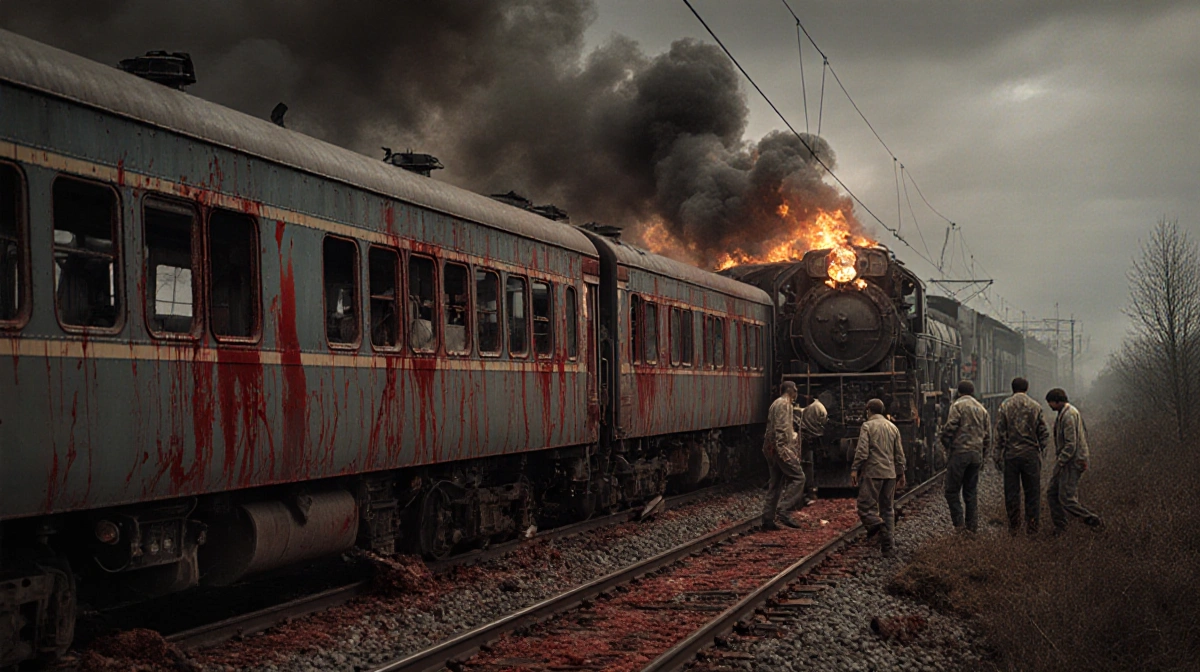
Survivors of a catastrophic train collision in southern Spain are recounting scenes of chaos and death after two trains crashed near the town of Adamuz on January 18, killing at least 39 people and injuring 152.
The Madrid-bound Iryo train’s last two cars derailed at 7:45 p.m. local time and veered into the path of an oncoming Renfe Alvia locomotive, according to a preliminary transportation ministry report. The impact hurled the front cars of the Alvia train down a steep embankment, crushing passengers and crew inside.
Survivors Describe ‘Earthquake’ Moment
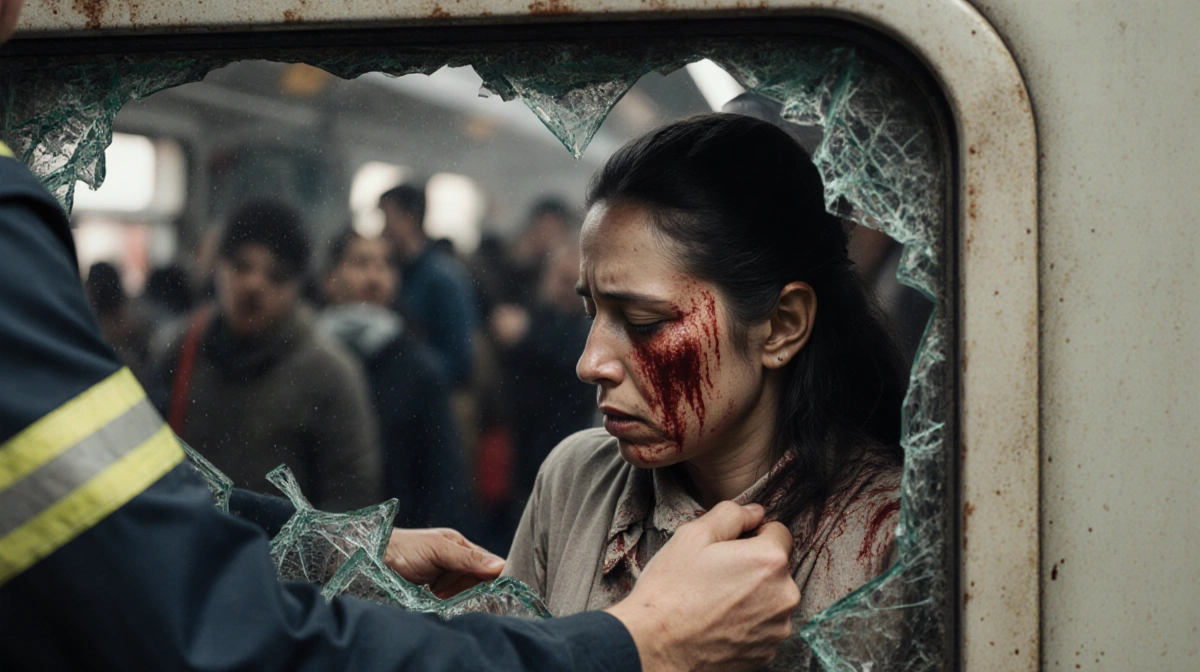
An unnamed woman who rode in the derailed car told Reuters she watched passengers die before rescuers hauled her through a shattered window.
“Some people were fine and others were really bad,” she said, wrapped in a blanket and limping into a shelter the next morning. “We had them in front of us and you could see them dying and you could do nothing.”
She recalled sensing trouble seconds earlier. “I started to go up,” she said. “I looked for my sister and it’s the last moment I remember before it all went dark.” Fellow travelers smashed the glass to reach her, pulling her out “covered in blood.”
Spanish journalist Salvador Jiménez occupied the first car of the Iryo train. The crash felt “like an earthquake,” he told The New York Times. Initially he thought the train had struck an animal; then the lights cut out. Outside, he saw overturned cars and passengers swinging emergency hammers to break free.
“Many people were shouting the names of passengers,” Jiménez said. He and others escaped on foot through the darkness.
Other riders echoed the terror to the BBC. One man described bodies and luggage flying through the air; a woman called the scene “absolutely terrifying.”
Rising Death Toll Feared
Andalusian regional president Juanma Moreno warned Monday that the tragedy “is going to be much greater.”
“We have 39 confirmed deaths, but unfortunately, the number won’t stay there,” he told Canal Sur Television. Heavy cranes were scheduled to arrive around 1 p.m. to lift the most damaged carriages.
“Some people have already been identified and counted, but when they are lifted, we may find more deceased individuals underneath, beside, or among the wreckage,” Moreno said.
Investigation Under Way
Authorities have not determined the cause. The track had undergone upgrades in May 2025, and the Iryo train-built in 2022-passed inspection on January 15, according to local outlet La Razón.
The crash site remains active as forensic teams work to identify victims. Emergency crews have set up a coordination center in Adamuz’s sports pavilion.
National Mourning Begins
Prime Minister Pedro Sánchez declared three days of official mourning starting Monday night. “Spanish society is asking what happened, how it happened, and how this tragedy could have occurred,” he said.
News Of Los Angeles contacted both Iryo and Renfe for comment but did not receive an immediate response.
Key Takeaways
- The collision is Spain’s worst rail accident since the 2013 Santiago de Compostela derailment.
- Victims include at least one crew member; 29 people remain seriously injured.
- Investigators are examining whether track work or mechanical failure contributed to the derailment.