At a Glance
- Spice Girls began in 1994 and grew into a worldwide pop icon.
- A Top of the Pops editor suggested the five members adopt nicknames.
- The nicknames-Scary, Baby, Posh, Ginger, Sporty-became integral to their brand.
- Why it matters: The story shows how a playful idea can shape a cultural legacy.
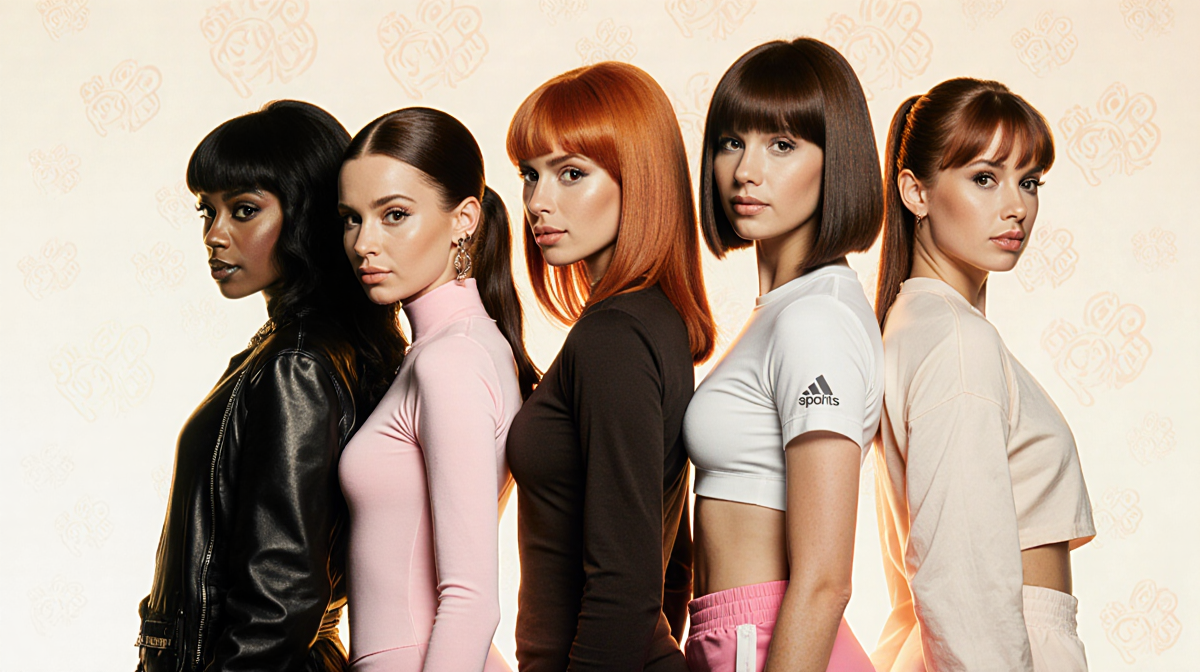
The story of the Spice Girls’ iconic nicknames begins with a magazine suggestion that turned into a global brand. In 1994, the group-Melanie “Mel C” Chisholm, Geri Halliwell, Melanie “Mel B” Brown, Victoria Beckham, and Emma Bunton-was still finding its footing. A Top of the Pops editor named Peter Loraine asked them to adopt nicknames, a suggestion that would define their public personas for years.
Nickname Origins
Melanie “Mel C” Chisholm recalls the moment the nicknames were first proposed. She said, “Top of the Pops was an iconic British music show. It’s the show we all grew up watching, like longing to be on it. Now, the editor of this, a guy called Peter Loraine, he said, ‘You girls, you need nicknames,'” she told News Of Los Angeles. The idea started as a joke, but it quickly became a marketing tool.
- Scary – Melanie “Mel B” Brown
- Baby – Emma Bunton
- Posh – Victoria Beckham
- Ginger – Geri Halliwell
- Sporty – Melanie “Mel C” Chisholm
The nicknames were meant to highlight each member’s distinct personality. Though they were initially dismissed as a throwaway, the names resonated with audiences and stuck.
The Power of Top of the Pops
The Top of the Pops magazine clip that introduced the nicknames was more than a simple editorial suggestion. It reflected the UK pop culture of the time, where TV shows and magazines shaped music careers. The editor’s recommendation was a strategic move: it gave the group a memorable identity.
“We laughed at it. But when we came here, to the US, everybody kept calling us by these nicknames, and it just kind of stuck. And we loved it. We just really embraced it, and we became caricatures of ourselves,” Mel C explained.
The nicknames were not just labels; they became part of the Spice Girls’ brand identity, influencing music videos, interviews, and fan interactions.
Embracing the Monikers
When the Spice Girls toured the United States, the nicknames were used by media and fans alike. The group accepted the monikers as a way to differentiate themselves. This acceptance turned a playful idea into a powerful marketing strategy.
- Scary: Represented confidence and boldness.
- Baby: Emphasized innocence and charm.
- Posh: Highlighted sophistication.
- Ginger: Showcased a fiery personality.
- Sporty: Illustrated athleticism and energy.
The nicknames also helped the group maintain individuality while presenting a cohesive image.
Signature Looks and Individuality
Beyond nicknames, the Spice Girls experimented with fashion to reinforce their personas. Mel C described the process: “We were trying to figure out how we wanted to dress, and we went through all these phases… The first management that had auditioned us really wanted us to be uniformed, to have a look, a cohesive look. And that always meant that somebody was uncomfortable.”
One rehearsal moment changed the direction. Geri looked in the mirror and said, “Why don’t we just wear what we wear, how we feel comfortable?” This led to a more authentic, individualized style.

| Phase | Description | Outcome |
|---|---|---|
| Uniformed | Management-driven cohesive look | Uncomfortable for members |
| Individual | Members wore personal outfits | Authentic representation |
The decision to embrace personal style reinforced each nickname’s meaning and allowed the group to connect more deeply with fans.
Legacy and Impact
The nicknames and signature looks helped the Spice Girls become a cultural phenomenon. Their brand extended beyond music into fashion, merchandise, and media appearances. The playful suggestion from a magazine editor in 1994 turned into a lasting legacy that still influences pop culture today.
Key takeaways:
- A single editorial suggestion can shape a brand’s identity.
- Authenticity and individuality resonate with audiences.
- Nicknames can serve as powerful marketing tools when aligned with a group’s personas.
Key Takeaways
- The Spice Girls’ nicknames were born from a Top of the Pops editor’s suggestion.
- The names became integral to their brand and helped differentiate each member.
- The group’s decision to adopt personal fashion styles reinforced the nicknames.
- The legacy of the nicknames continues to influence pop culture and marketing strategies.
The story of the Spice Girls’ nicknames reminds us that creativity, even in a casual setting, can spark a global phenomenon.