At a Glance
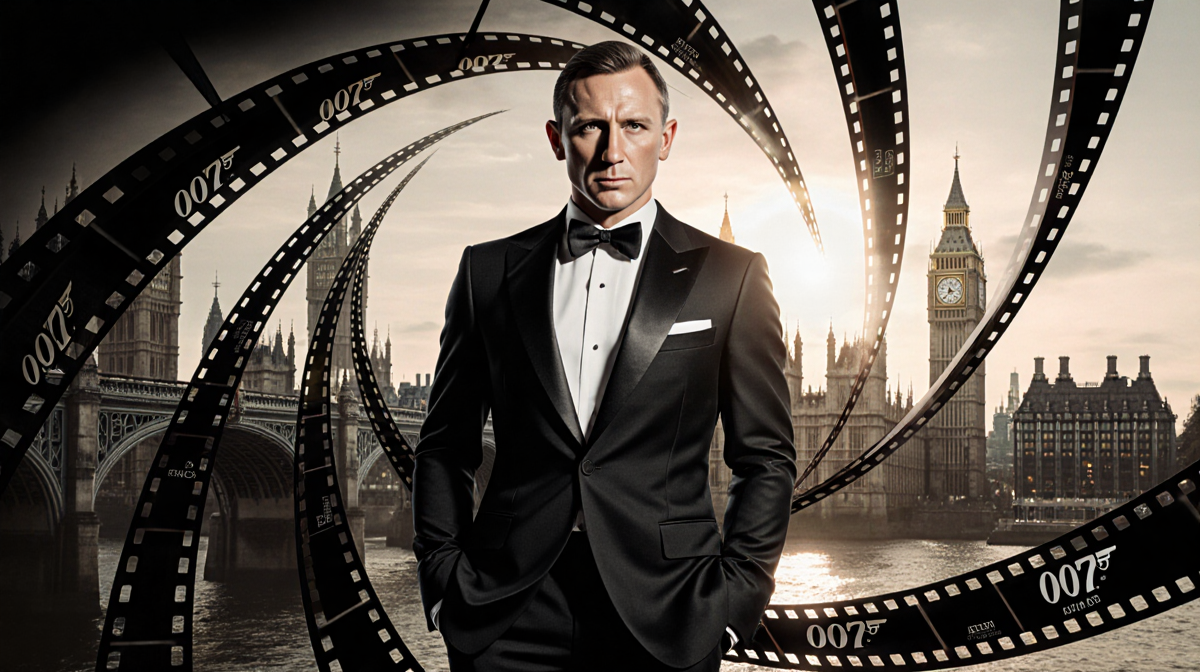
- From Dr. No in 1962 to No Time to Die in 2021, the franchise spans 27 films and 6 lead actors.
- The 2006 reboot launched a new era, with Casino Royale redefining Bond for a modern audience.
- Skyfall remains the highest-grossing Bond film, earning $1.1 billion worldwide.
- Why it matters: The series shows how a character can adapt to changing times while keeping audiences hooked.
James Bond first slipped into the public eye as a fictional spy in Ian Fleming’s 1953 novel Casino Royale. The character’s debut on screen came a decade later with Sean Connery’s portrayal in the 1962 film Dr. No.
The Birth of a Franchise
The 1962 release introduced Bond as a suave, cunning operative. Connery’s performance was a hit, leading to a string of sequels. The early films were based on Fleming’s novels, with titles like From Russia with Love (1963) and Goldfinger (1964) following closely.
The Early Years (1962-1974)
- Dr. No (1962) – Connery’s first outing; Bond investigates a mystery in Jamaica.
- From Russia with Love (1963) – Bond hunts SPECTRE’s plot to kill him.
- Goldfinger (1964) – Bond confronts a gold smuggler; iconic scenes and characters debut.
- Thunderball (1965) – SPECTRE steals two atomic bombs, demanding $100 million.
- You Only Live Twice (1967) – Bond discovers a Soviet-Japanese conspiracy.
- Casino Royale (1967) – A comedic spoof featuring Peter Sellers; only non-Eon film.
- On Her Majesty’s Secret Service (1969) – George Lazenby’s sole appearance; Bond faces Blofeld.
- Diamonds Are Forever (1971) – Connery returns; Bond uncovers a diamond cartel.
- Live and Let Die (1973) – Roger Moore’s debut; Bond tackles a Caribbean drug lord.
- The Man with the Golden Gun (1974) – Moore hunts Francisco Scaramanga, a golden-gun assassin.
The 1970s Shift (1973-1979)
Roger Moore’s era brought a lighter tone and more gadgets. The Spy Who Loved Me (1977) introduced the KGB agent Anya Amasova and the villain Jaws, while Moonraker (1981) leaped into space-faring adventures.
The 1980s and Outliers
The 1980s saw a mix of classic Bond stories and unique deviations:
- For Your Eyes Only (1981) – A submarine sinks; Bond races against Soviet forces.
- Octopussy (1983) – Bond battles a jewelry smuggler and a Soviet plot.
- Never Say Never Again (1983) – Connery returns to retell Thunderball; praised by Roger Ebert.
- A View to a Kill (1984) – Moore faces a horse-breeder’s scheme involving Silicon Valley.
- The Living Daylights (1987) – Timothy Dalton’s first Bond; he cites the original creator for inspiration.
- Licence to Kill (1989) – Dalton’s final outing; features shark-tank and decompression chamber death scenes.
The 1990s Revival
Pierce Brosnan revived Bond in 1995 with GoldenEye, modernizing the franchise after a six-year hiatus. The film introduced a satellite weapon and saw Judi Dench debut as M.
- Tomorrow Never Dies (1997) – A media mogul’s plot to start a war.
- The World Is Not Enough (1999) – Bond protects a billionaire’s daughter amid a nuclear plot.
- Die Another Day (2002) – Bond uncovers a diamond smuggling operation tied to North Korea.
The 2000s Reboot
In 2006, Casino Royale rebooted the series, presenting Bond in a gritty, contemporary light. Daniel Craig took on the role, steering the franchise toward darker themes.
- Quantum of Solace (2008) – Bond protects a woman whose family was murdered.
- Skyfall (2012) – The highest-grossing Bond film, earning $1.1 billion; features a secretive M and a personal threat to MI6.
- Spectre (2015) – SPECTRE reappears, tying the previous films together.
The Current Era (2010-2021)
The final Bond film to date, No Time to Die (2021), sees Craig’s Bond called out of retirement. The movie ends with a dramatic finale that sparked debate about the franchise’s future.
Key Takeaways
- The franchise has spanned 27 films, featuring six different actors.
- Each era introduced new themes: espionage, technology, personal drama, and global threats.
- The 2006 reboot revitalized Bond for a new generation, proving the character’s lasting appeal.
Streaming Guide
All 27 films are available on various streaming platforms. Below is a quick reference:
| Year | Title | Actor | Platform |
|---|---|---|---|
| 1962 | Dr. No | Sean Connery | Netflix |
| 1963 | From Russia with Love | Sean Connery | Netflix |
| 1964 | Goldfinger | Sean Connery | Netflix |
| 1965 | Thunderball | Sean Connery | Netflix |
| 1967 | You Only Live Twice | Sean Connery | Netflix |
| 1967 | Casino Royale | Peter Sellers | Tubi |
| 1969 | On Her Majesty’s Secret Service | George Lazenby | Netflix |
| 1971 | Diamonds Are Forever | Sean Connery | Netflix |
| 1973 | Live and Let Die | Roger Moore | Netflix |
| 1974 | The Man with the Golden Gun | Roger Moore | Netflix |
| 1977 | The Spy Who Loved Me | Roger Moore | Netflix |
| 1981 | Moonraker | Roger Moore | Netflix |
| 1981 | For Your Eyes Only | Roger Moore | Netflix |
| 1983 | Octopussy | Roger Moore | Netflix |
| 1983 | Never Say Never Again | Sean Connery | Netflix |
| 1984 | A View to a Kill | Roger Moore | Netflix |
| 1987 | The Living Daylights | Timothy Dalton | Netflix |
| 1989 | Licence to Kill | Timothy Dalton | Netflix |
| 1995 | GoldenEye | Pierce Brosnan | Netflix |
| 1997 | Tomorrow Never Dies | Pierce Brosnan | Netflix |
| 1999 | The World Is Not Enough | Pierce Brosnan | Netflix |
| 2002 | Die Another Day | Pierce Brosnan | Netflix |
| 2006 | Casino Royale | Daniel Craig | Netflix |
| 2008 | Quantum of Solace | Daniel Craig | Netflix |
| 2012 | Skyfall | Daniel Craig | Netflix |
| 2015 | Spectre | Daniel Craig | Netflix |
| 2021 | No Time to Die | Daniel Craig | Netflix |
For fans looking to binge the entire series, Netflix offers the most comprehensive catalog, with the exception of the 1967 Casino Royale which can be found on Tubi.
Final Thoughts
From the first Casino Royale novel to the latest No Time to Die, James Bond has proven to be a cultural touchstone that adapts to each era’s concerns. Whether it’s the Cold War paranoia of the 1960s or the cyber-security threats of the 2010s, the franchise continues to reflect the world’s anxieties while delivering high-octane entertainment.