
At a Glance
- Sex trafficking in Larchmont has spurred nightly complaints from residents about public sex acts and discarded condoms.
- Residents report activities from 10 p.m. to 6 a.m. and claim the problem grew after police pressure on the Figueroa Corridor.
- City officials are installing surveillance cameras, increasing patrols, and forming a task force with Journey Out to rescue trafficked women.
Why it matters: The rise of public sex trafficking in a residential neighborhood threatens community safety and highlights gaps in law-enforcement coverage.
Larchmont neighbors are raising alarm over nightly sex acts and discarded contraceptives in their streets. Residents say the problem worsened after a crackdown on the Figueroa Corridor, prompting police and city officials to respond with cameras, patrols, and a new task force.
Neighborhood Concerns
Two long-time residents spoke with reporters on Friday, describing a nightly pattern that begins at 10 p.m. and ends around 6 a.m.. A neighbor who identified himself as Larry said, “Johns pick up prostitutes on Western, which is a couple of blocks away, then they drive over here and have sex in the car. Not only in the car, it’s also outside the car. I’ve got a bench over here right in front of my house, and they’ve had sex on the bench.”
Another resident, Karen Gilman, recounted spotting the activity as early as 7 a.m. when families gathered for the start of the school day at Van Ness Elementary School. She asked, “How do you explain this to a 6, 7 or 8-year-old?” Gilman said.
Neighbors also reported used condoms, wrappers, and boxes scattered on the streets. A photographer captured images of what appeared to be used contraceptives on the sidewalks of Larchmont.
Law Enforcement Response
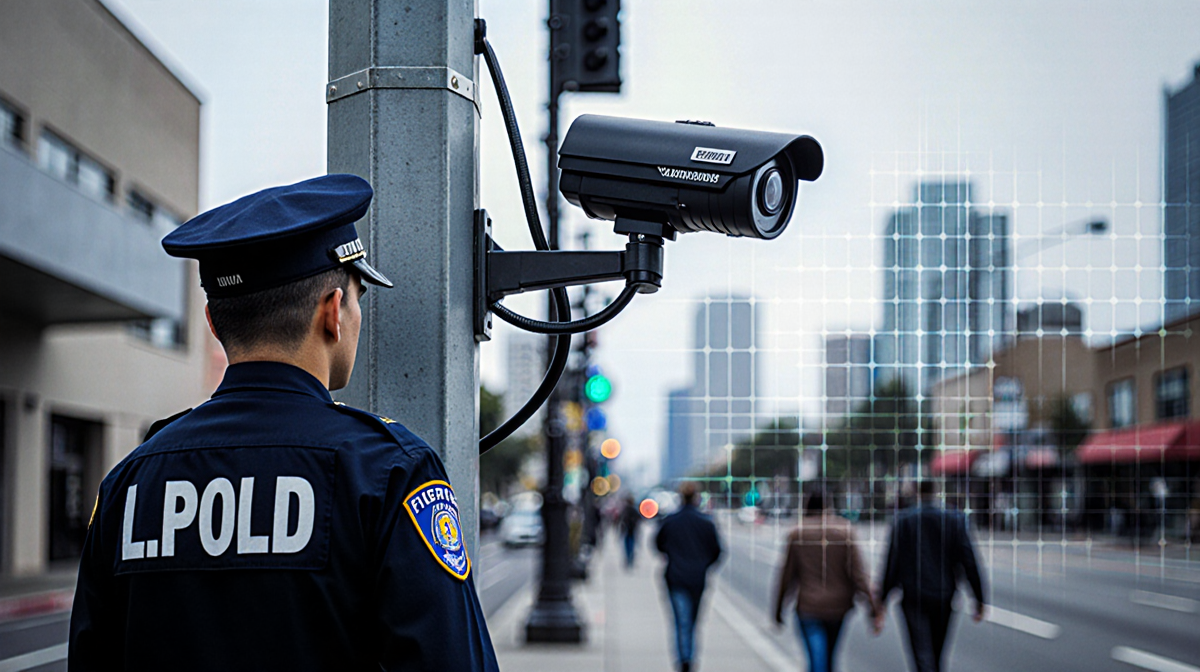
Earlier this month, LA city officials announced surveillance cameras are being installed along the Figueroa Corridor to capture the images of those who buy sex and stop in the area. The LAPD has said it’s working with the FBI and the U.S. Attorney’s Office to arrest traffickers and disrupt sex trafficking networks.
Police urged neighbors not to engage with traffickers, citing frightening encounters. Larry warned, “These are people who have the ability to be violent. In fact, we have been threatened. We were very clearly spoken to, ‘You stay on your front porch, and just stay away from all of this.'”
The neighborhood association is actively engaged in conversations with the LAPD and the office of Councilmember Hugo Soto-Martinez. Gilman recalled, “They said, ‘We can’t arrest our way out of this because of what drives this illicit trade.’ However, we can crew it out of our neighborhood with more patrolling, that’s for sure.”
Police are sending letters to the johns, saying, “We’re writing to you because we captured your license plate number on camera and this activity, the indecent exposure activity on the public street, and we hope you’re aware of it.”
Community Action
Neighbors are putting up more signs to warn people that security cameras are recording their activities while pushing the LAPD to add more patrol officers to their neighborhood and “embarrass” sex buyers who stop by the Larchmont neighborhood.
In response, Councilmember Soto-Martinez said his office has launched a task force on Western Avenue to address human trafficking. “As part of this work with the City Attorney and law enforcement, we’re partnering with Journey Out, an organization that specializes in rescuing young women and girls being trafficked to provide survivor-centered support and permanent solutions to these issues,” Soto-Martinez said in a statement.
Timeline of Events
| Date | Event |
|---|---|
| Friday | Residents speak to reporters about nightly sex acts |
| Earlier this month | City installs surveillance cameras along the Figueroa Corridor |
| (date unspecified) | Councilmember launches task force on Western Avenue |
Key Takeaways
- The community’s complaints highlight a shift of sex-trafficking activity to residential areas after pressure on the Figueroa Corridor.
- Police are employing surveillance, patrols, and collaboration with federal agencies to disrupt the network.
- A city-led task force, in partnership with Journey Out, is focused on rescuing trafficked women and providing long-term support.
- Residents remain concerned about safety, urging neighbors to stay away from traffickers and to support increased law-enforcement presence.
The situation in Larchmont underscores how public sex trafficking can infiltrate quiet neighborhoods, demanding coordinated community and government action to protect residents and dismantle the underlying networks.